Fusilli Pasta VS Cooked Pasta
A detailed nutritional comparison
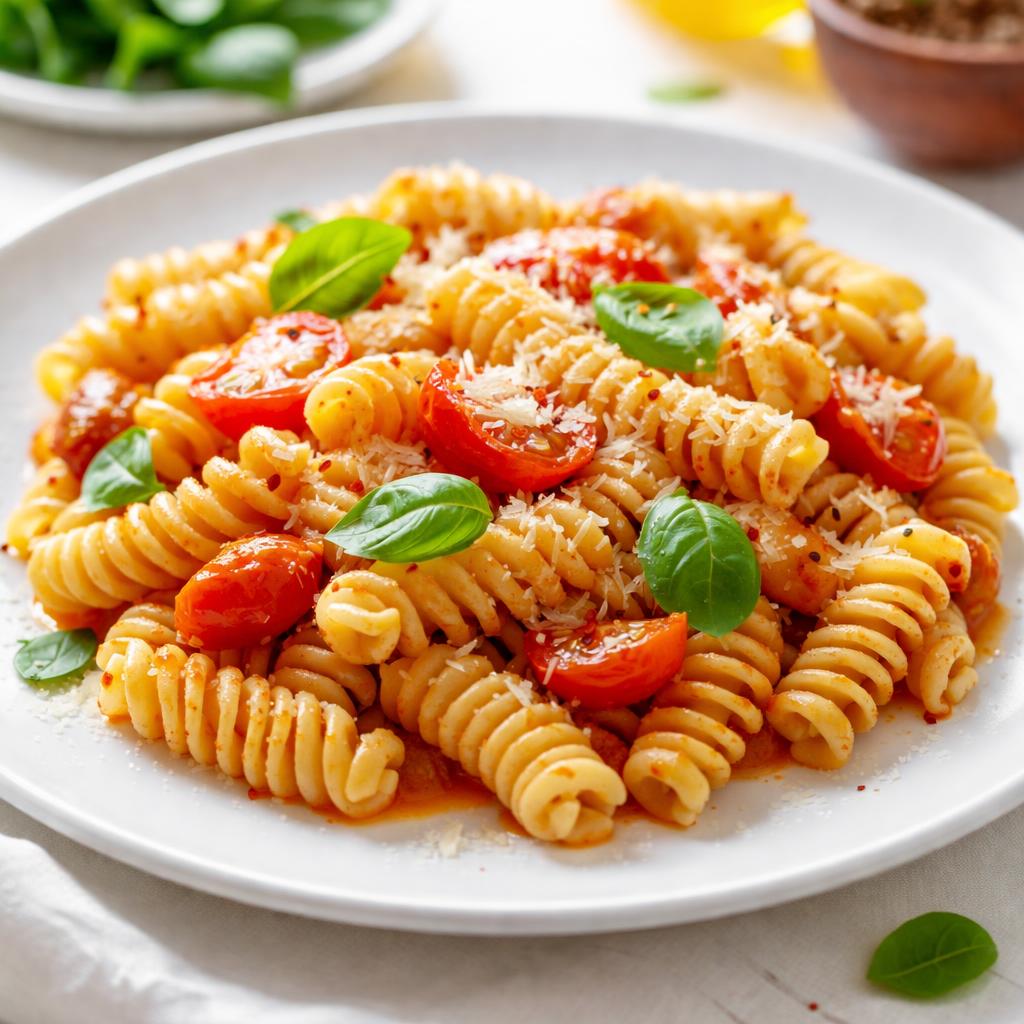
Fusilli Pasta
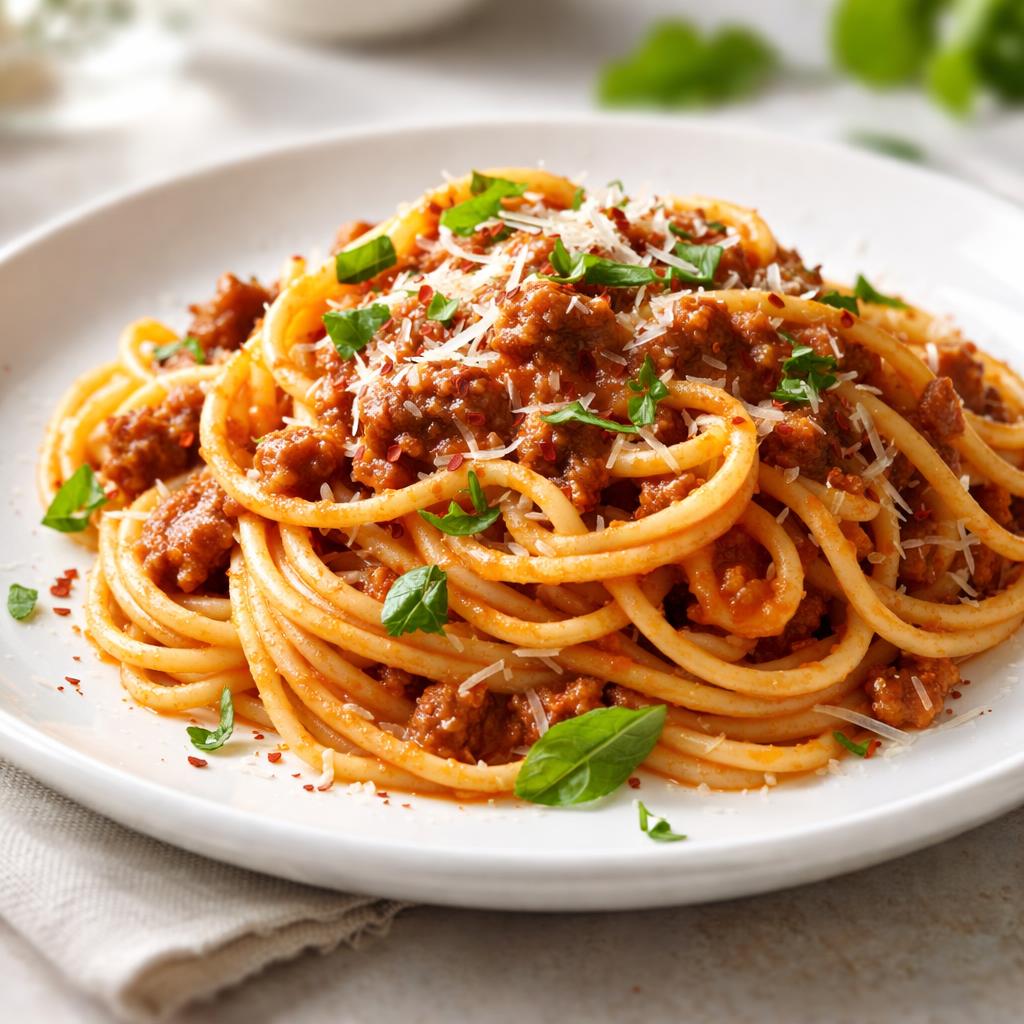
Cooked Pasta
🎯 Quick Verdict
Fusilli pasta and cooked pasta are nutritionally similar as they come from the same base ingredient. Fusilli pasta has a slight edge in fiber content, but both foods have comparable amounts of protein and calories. Choose either depending on your preference for pasta texture or preparation method.

Smart Nutrition Tracking with SnapCalorie

📊 Nutritional Comparison
Macronutrients
| Nutrient | Food 1 | Food 2 | Winner |
|---|---|---|---|
| Calories | 200 | 200 | − |
| Protein | 7g | 7g | − |
| Carbs | 42g | 42g | − |
| Fat | 1g | 1g | − |
| Fiber | 3g | 2g | ✓ |
Vitamins & Minerals
| Nutrient | Food 1 | Food 2 | Winner |
|---|---|---|---|
| Vitamin D | 0mcg | 0mcg | − |
| Calcium | 10mg | 10mg | − |
| Iron | 1.2mg | 1.2mg | − |
🏆 Category Winners
Protein
Both fusilli pasta and cooked pasta provide the same amount of protein.
Fiber
Fusilli pasta has 50% more fiber than cooked pasta per serving.
Calories
Both foods provide equal caloric content.
🥗 Diet Compatibility
Keto
Food 1: Not Compatible
Food 2: Not Compatible
Both are high in carbs, unsuitable for keto diets.
Vegan
Food 1: Compatible
Food 2: Compatible
Both are plant-based.
Gluten Free
Food 1: Not Compatible
Food 2: Not Compatible
Both contain gluten unless made from gluten-free flour.
Paleo
Food 1: Not Compatible
Food 2: Not Compatible
Pasta products are not included in paleo diets.
Low-Carb
Food 1: Not Compatible
Food 2: Not Compatible
Both are high in carbohydrates.
💪 Health Benefits Comparison
Food 1 Benefits
- Contains complex carbohydrates for sustained energy
- Higher fiber content aids digestion and satiety
- Low fat content makes it lighter
Food 2 Benefits
- Same complex carbohydrate benefits for lasting energy
- Versatile base for nutrient-dense meals when paired with vegetables and proteins
- Low-fat and suitable for most balanced meal plans
✅ The Bottom Line
Fusilli pasta and cooked pasta are nutritionally equal in protein and calories, with fusilli having slightly more fiber. Choose fusilli if you prefer spiral-shaped pasta or need extra fiber, and cooked pasta for broader preparation styles. They are comparable for energy support and general pasta dishes.
Choose Food 1 for: Higher fiber meals, digestion support, structured pasta salads
Choose Food 2 for: General pasta dishes, versatile meal bases, easy meal prep


