Fried Rice VS Sushi Rice
A detailed nutritional comparison
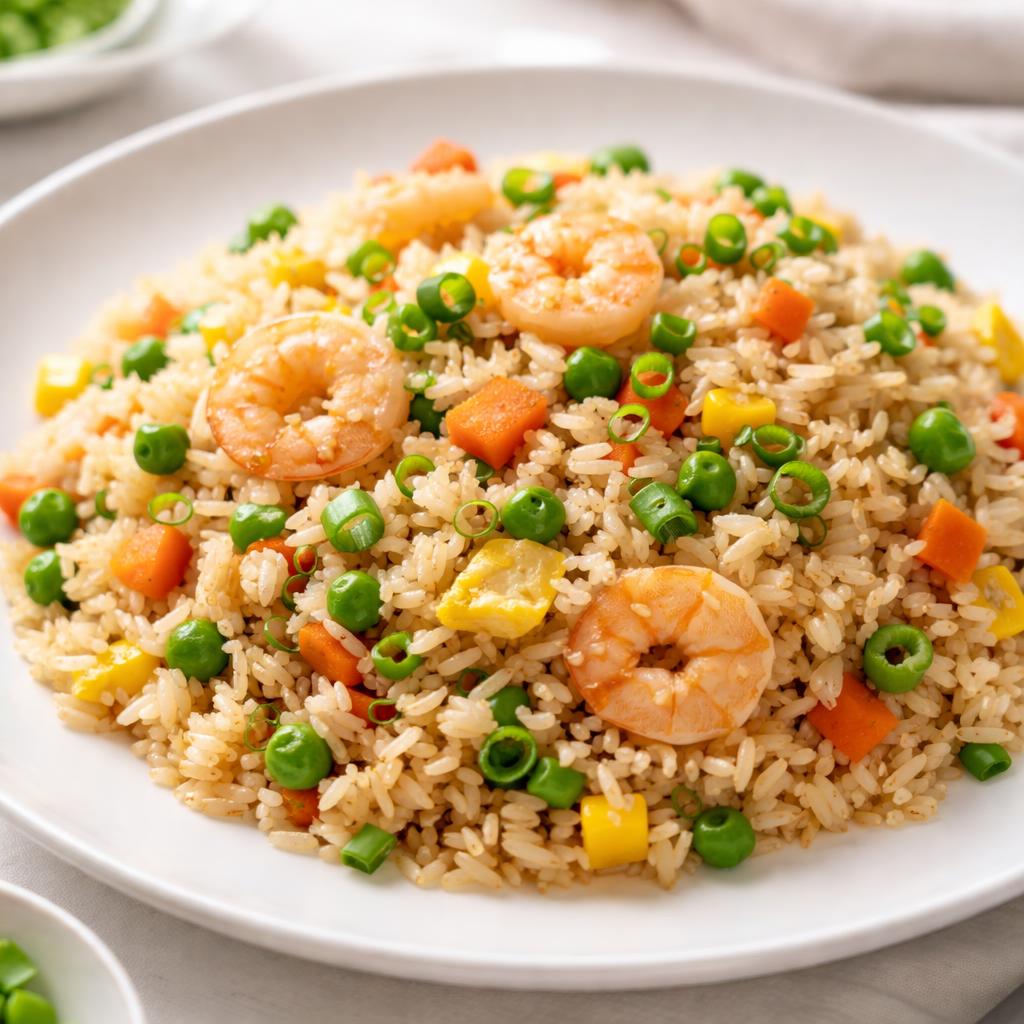
Fried Rice
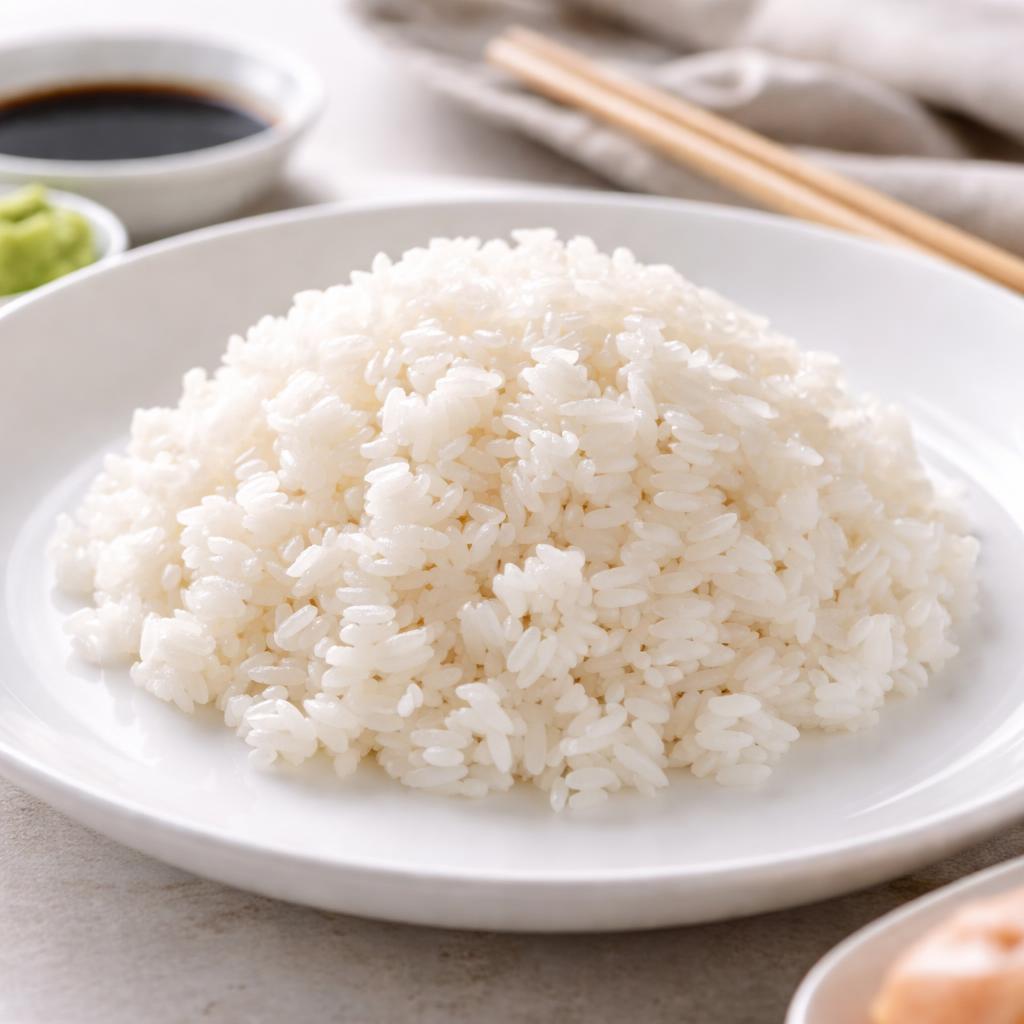
Sushi Rice
🎯 Quick Verdict
Fried rice and sushi rice differ significantly in their nutritional profiles. Fried rice has higher protein and fiber due to added ingredients like vegetables, eggs, or meats, but also comes with higher calories and fat. Sushi rice is lower in calories and fat, making it a better option for lighter meals or traditional sushi dishes, while fried rice may be better suited for a balanced post-workout meal or hearty lunch.

Smart Nutrition Tracking with SnapCalorie

📊 Nutritional Comparison
Macronutrients
| Nutrient | Food 1 | Food 2 | Winner |
|---|---|---|---|
| Calories | 250 | 130 | ✓ |
| Protein | 6g | 2g | ✓ |
| Carbs | 40g | 29g | ✓ |
| Fat | 8g | 0.5g | ✓ |
| Fiber | 2g | 0g | ✓ |
Vitamins & Minerals
| Nutrient | Food 1 | Food 2 | Winner |
|---|---|---|---|
| Vitamin D | 1mcg | 0mcg | ✓ |
| Calcium | 20mg | 5mg | ✓ |
| Iron | 1mg | 0.4mg | ✓ |
🏆 Category Winners
Protein
Food1 contains 300% more protein per serving compared to food2.
Fiber
Food1 has 2g of fiber per serving, while food2 has virtually no fiber.
Calories
Food2 has 48% fewer calories per serving compared to food1.
Vitamins
Food1 contains more essential vitamins like Vitamin D, Calcium, and Iron.
🥗 Diet Compatibility
Keto
Food 1: Not Compatible
Food 2: Not Compatible
Both are high-carbohydrate foods and not suitable for ketogenic diets.
Vegan
Food 1: Variable
Food 2: Compatible
Food1 may include non-vegan ingredients like eggs, while food2 is typically vegan if prepared without additives.
Gluten Free
Food 1: Variable
Food 2: Compatible
Food1 might include soy sauce or additives containing gluten, whereas sushi rice is naturally gluten-free.
Paleo
Food 1: Not Compatible
Food 2: Not Compatible
Rice is not compliant with the strict paleo diet.
Low-Carb
Food 1: Not Compatible
Food 2: Not Compatible
Both foods are high in carbohydrates and unsuitable for low-carb diets.
💪 Health Benefits Comparison
Food 1 Benefits
- Rich in protein for muscle repair.
- Good source of fiber for better digestion.
- Contains small amounts of vitamins and minerals like Iron and Calcium.
Food 2 Benefits
- Low in calories for weight management.
- Virtually fat-free, suitable for heart health.
- Easily digested and ideal for sensitive stomachs.
✅ The Bottom Line
Fried rice is a more nutrient-dense option with higher protein and fiber, making it great for hearty meals and post-workout nutrition. Sushi rice, however, is lower in calories and fat, making it better for lighter meals or traditional Japanese dishes. Choose fried rice for balanced meals and muscle recovery, and sushi rice for weight management and minimalist plates.
Choose Food 1 for: Post-workout meals, hearty lunches, muscle repair.
Choose Food 2 for: Low-calorie diets, lighter meals, traditional sushi dishes.


