Fried Rice VS Spicy Rice
A detailed nutritional comparison
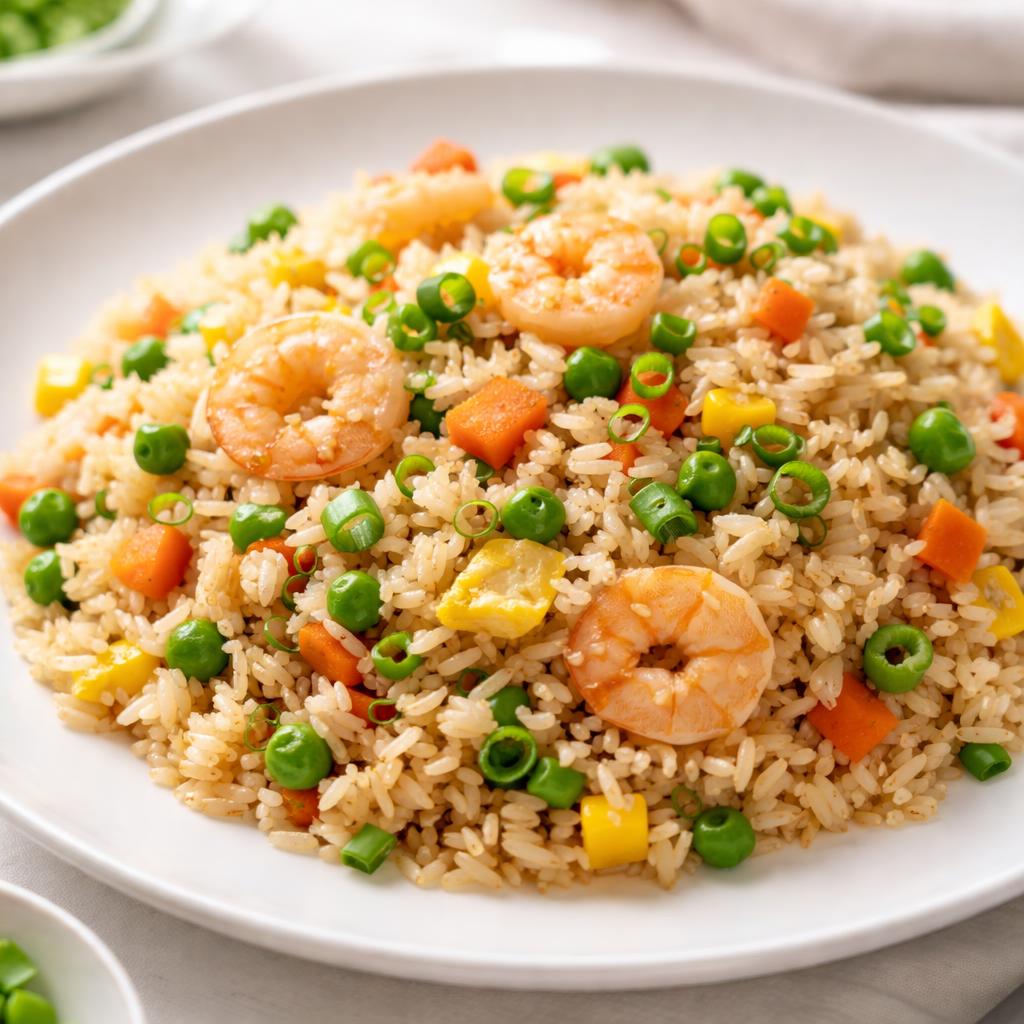
Fried Rice
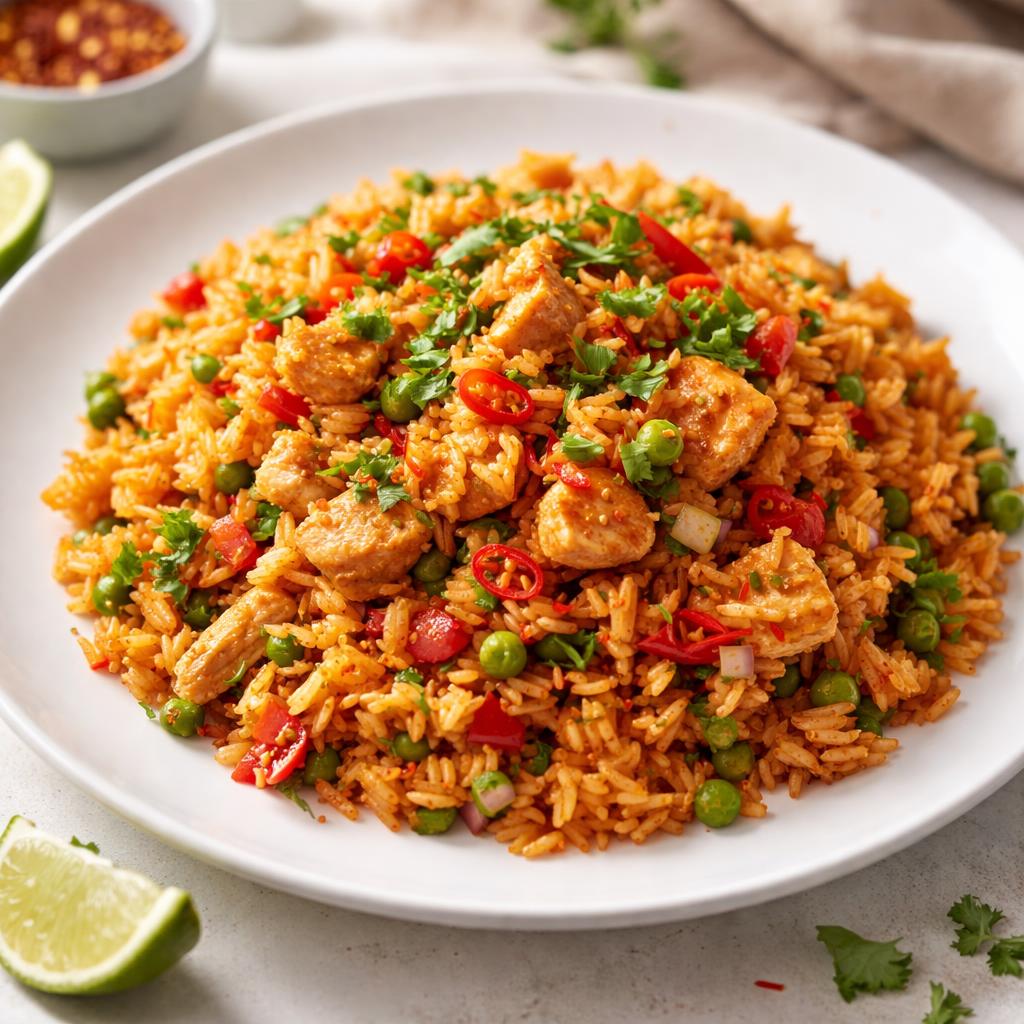
Spicy Rice
🎯 Quick Verdict
Spicy rice wins overall due to being lower in calories and containing more fiber, making it a more weight-conscious choice. Fried rice, however, provides higher protein and is slightly richer in several vitamins, making it a good option if you're seeking post-workout recovery or more nutrient density.

Smart Nutrition Tracking with SnapCalorie

📊 Nutritional Comparison
Macronutrients
| Nutrient | Food 1 | Food 2 | Winner |
|---|---|---|---|
| Calories | 250 | 200 | ✓ |
| Protein | 8g | 5g | ✓ |
| Carbs | 30g | 35g | ✓ |
| Fat | 12g | 6g | ✓ |
| Fiber | 2g | 4g | ✓ |
Vitamins & Minerals
| Nutrient | Food 1 | Food 2 | Winner |
|---|---|---|---|
| Vitamin A | 150IU | 300IU | ✓ |
| Vitamin C | 2mg | 5mg | ✓ |
| Iron | 1.5mg | 1.2mg | ✓ |
🏆 Category Winners
Protein
Food1 has 60% more protein per serving.
Fiber
Food2 has twice the fiber content of food1.
Calories
Food2 has 20% fewer calories.
Vitamins
Food2 provides higher Vitamin A and C levels, supporting overall health.
🥗 Diet Compatibility
Keto
Food 1: Not Compatible
Food 2: Not Compatible
Both foods are rice-based and high in carbs.
Vegan
Food 1: Possibly Compatible
Food 2: Compatible
Food1 may contain egg or animal-based seasonings, but food2 is typically plant-based.
Gluten Free
Food 1: Possibly Compatible
Food 2: Compatible
Spicy rice naturally avoids gluten, while fried rice may include soy sauce with gluten.
Paleo
Food 1: Not Compatible
Food 2: Not Compatible
Neither fits paleo guidelines as both rely on grains.
Low-Carb
Food 1: Not Compatible
Food 2: Not Compatible
Both foods contain 30g+ carbs per serving, exceeding low-carb thresholds.
💪 Health Benefits Comparison
Food 1 Benefits
- Good source of protein for muscle repair
- Provides iron for blood health
- Contains moderate fats for satiety
Food 2 Benefits
- High in fiber for digestion and gut health
- Rich in vitamins A and C for immunity and eye health
- Lower in overall calories, supporting weight management
✅ The Bottom Line
Choose fried rice for its higher protein content and post-workout recovery needs. If weight management and digestive health are your priorities, opt for spicy rice as it’s lower in calories and higher in fiber.
Choose Food 1 for: Post-exercise meals, moderate protein boosts, indulgent eating
Choose Food 2 for: Weight control, digestive health, nutrient-conscious meals


