Fried Rice VS Rice With Vegetables And Meat
A detailed nutritional comparison
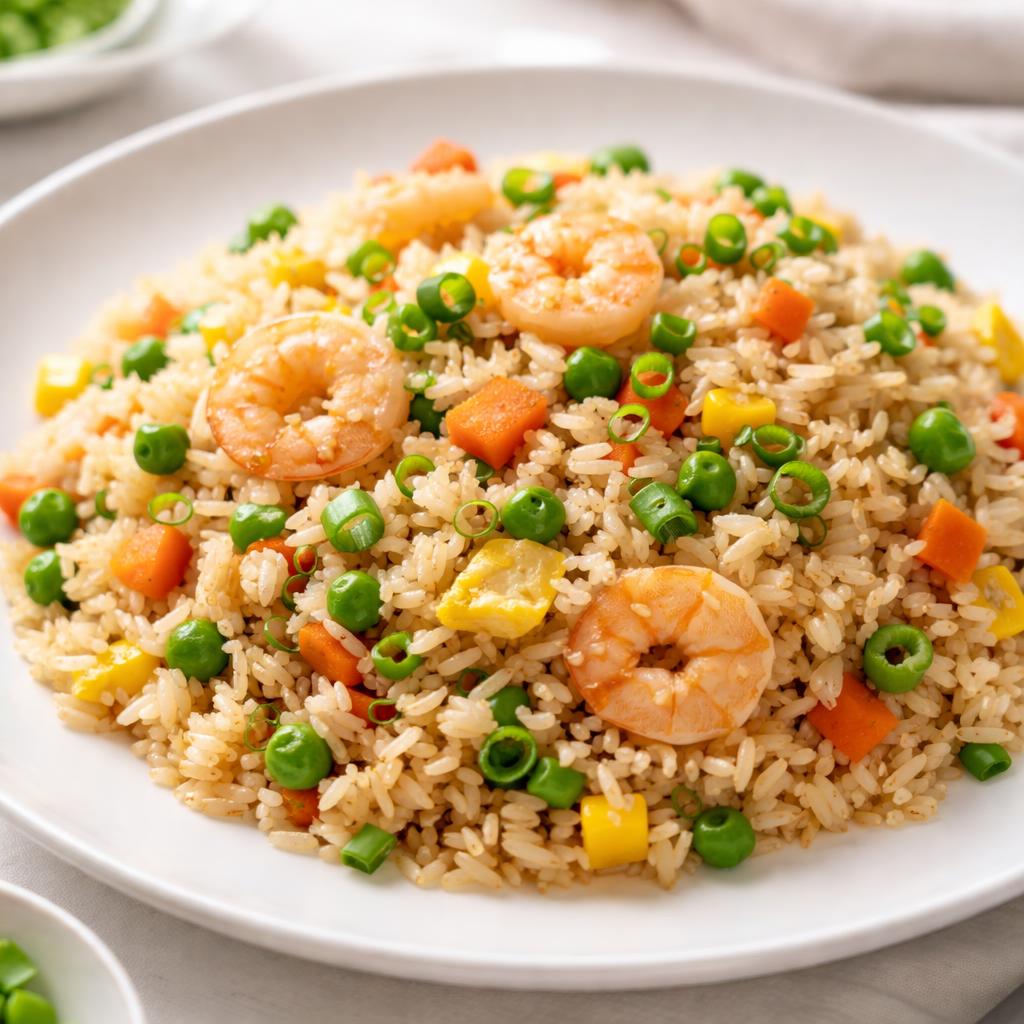
Fried Rice
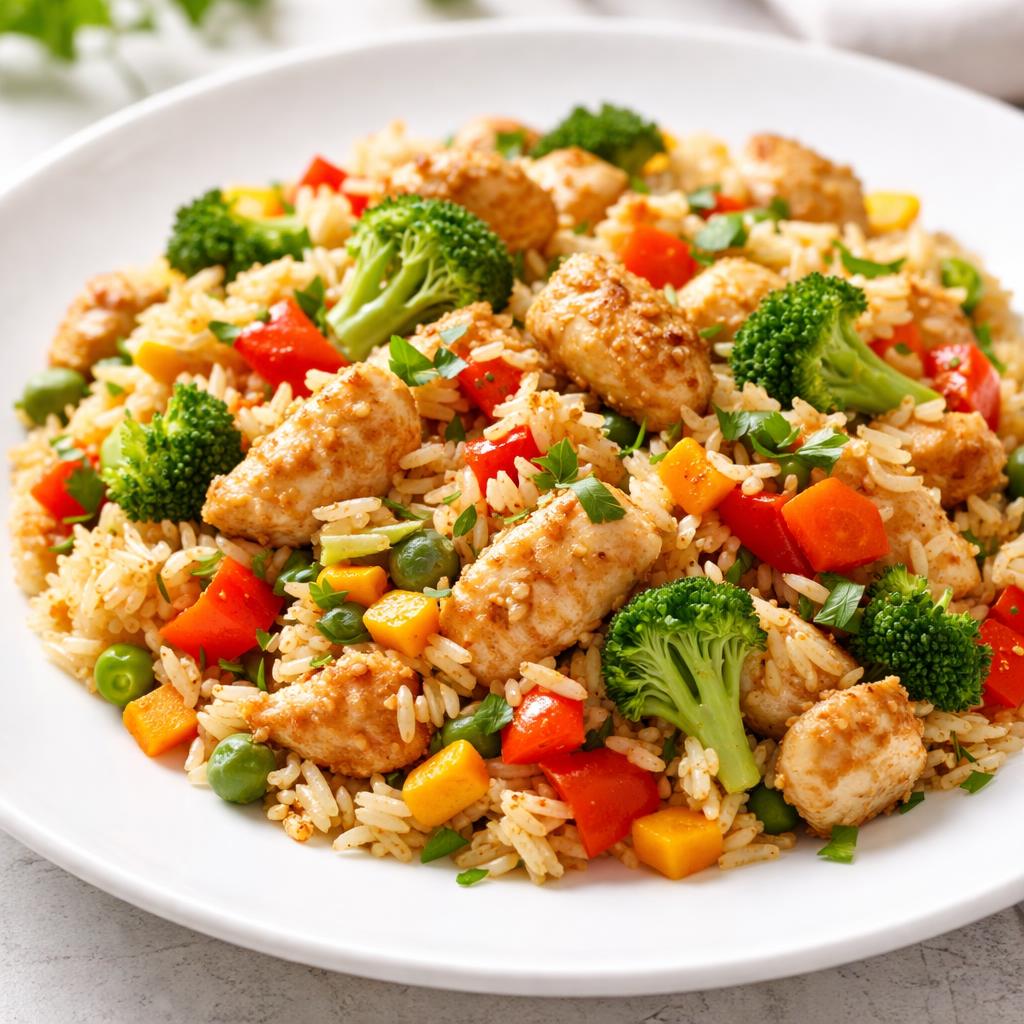
Rice With Vegetables And Meat
🎯 Quick Verdict
Rice with vegetables and meat emerges as the healthier option due to higher protein and fiber content, while also being lower in calories compared to fried rice. Fried rice is higher in fat and calories and may be suitable for those seeking a richer flavor or more energy-dense meal, but its nutrient profile is less balanced overall.

Smart Nutrition Tracking with SnapCalorie

📊 Nutritional Comparison
Macronutrients
| Nutrient | Food 1 | Food 2 | Winner |
|---|---|---|---|
| Calories | 300 | 250 | ✓ |
| Protein | 8g | 15g | ✓ |
| Carbs | 45g | 40g | ✓ |
| Fat | 10g | 5g | ✓ |
| Fiber | 2g | 4g | ✓ |
Vitamins & Minerals
| Nutrient | Food 1 | Food 2 | Winner |
|---|---|---|---|
| Vitamin C | 0mg | 10mg | ✓ |
| Vitamin A | 5mcg | 50mcg | ✓ |
| Iron | 1mg | 2mg | ✓ |
| Calcium | 20mg | 40mg | ✓ |
🏆 Category Winners
Protein
Food2 is nearly twice as high in protein due to the inclusion of meat.
Fiber
Food2 has double the fiber content from vegetables.
Calories
Food2 has 50 fewer calories, making it the lower-calorie option.
🥗 Diet Compatibility
Keto
Food 1: Not Compatible
Food 2: Not Compatible
Both are relatively high in carbs.
Vegan
Food 1: Compatible
Food 2: Not Compatible
Food1 is vegan-friendly, while food2 contains meat.
Gluten Free
Food 1: Maybe Compatible
Food 2: Maybe Compatible
Both are compatible if soy sauce or other gluten-containing ingredients are excluded.
Paleo
Food 1: Not Compatible
Food 2: Compatible
Food2 aligns better with Paleo principles if no processed additives are used.
Low Carb
Food 1: Not Compatible
Food 2: Not Compatible
Both are too high in carbs for low-carb diets.
💪 Health Benefits Comparison
Food 1 Benefits
- Energy-dense meal for high-calorie needs
- Contains moderate amounts of carbs for quick energy
- Flavorful option for satisfying cravings
Food 2 Benefits
- Rich in protein for muscle development and repair
- High fiber content supports healthy digestion
- Better nutrient balance with vitamins A, C, and Iron
✅ The Bottom Line
Choose fried rice for a convenience-focused, indulgent option when you need quick energy or are less concerned about overall nutrient density. Opt for rice with vegetables and meat for a more balanced meal higher in protein, fiber, and vitamins, making it ideal for health-conscious meals or post-workout recovery.
Choose Food 1 for: Convenience, calorie-dense meals, flavorful cravings
Choose Food 2 for: Balanced nutrition, protein needs, digestive health


