Fried Rice VS Rice And Beans
A detailed nutritional comparison
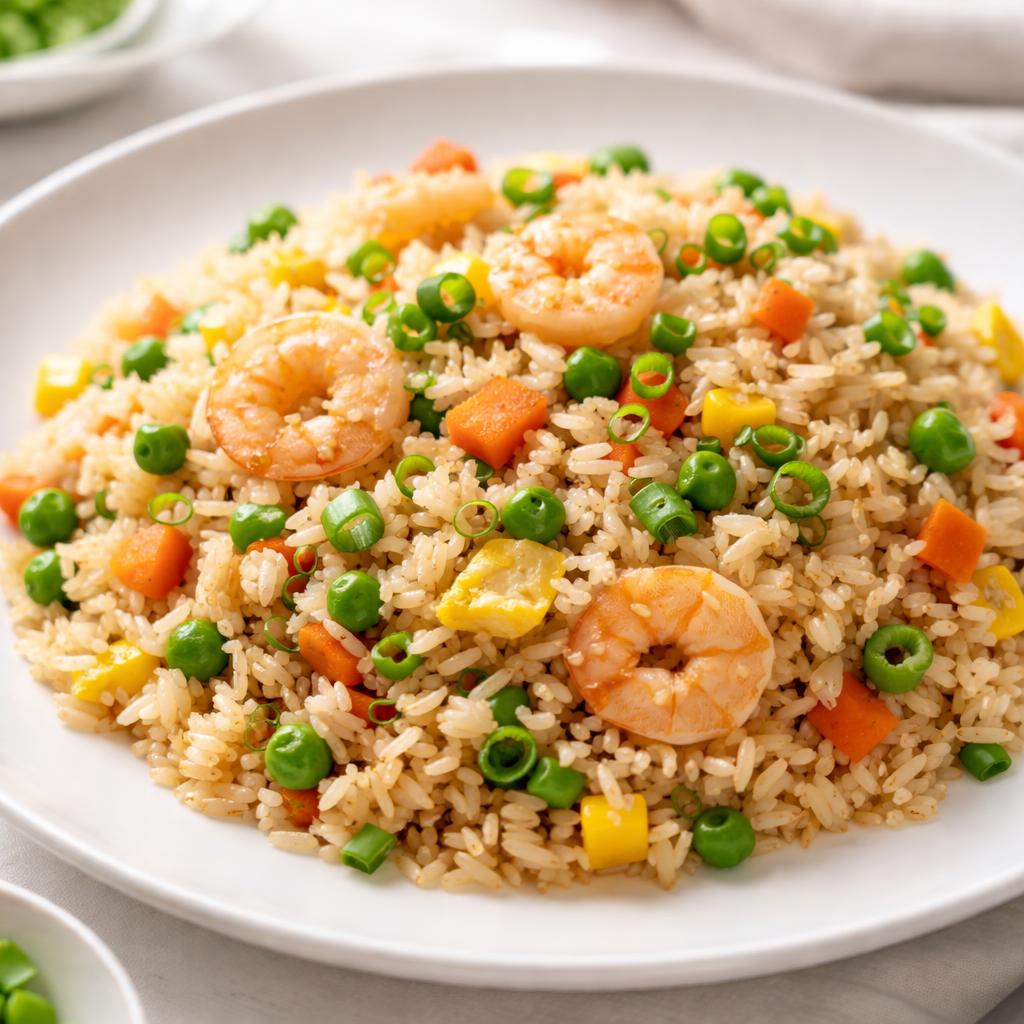
Fried Rice
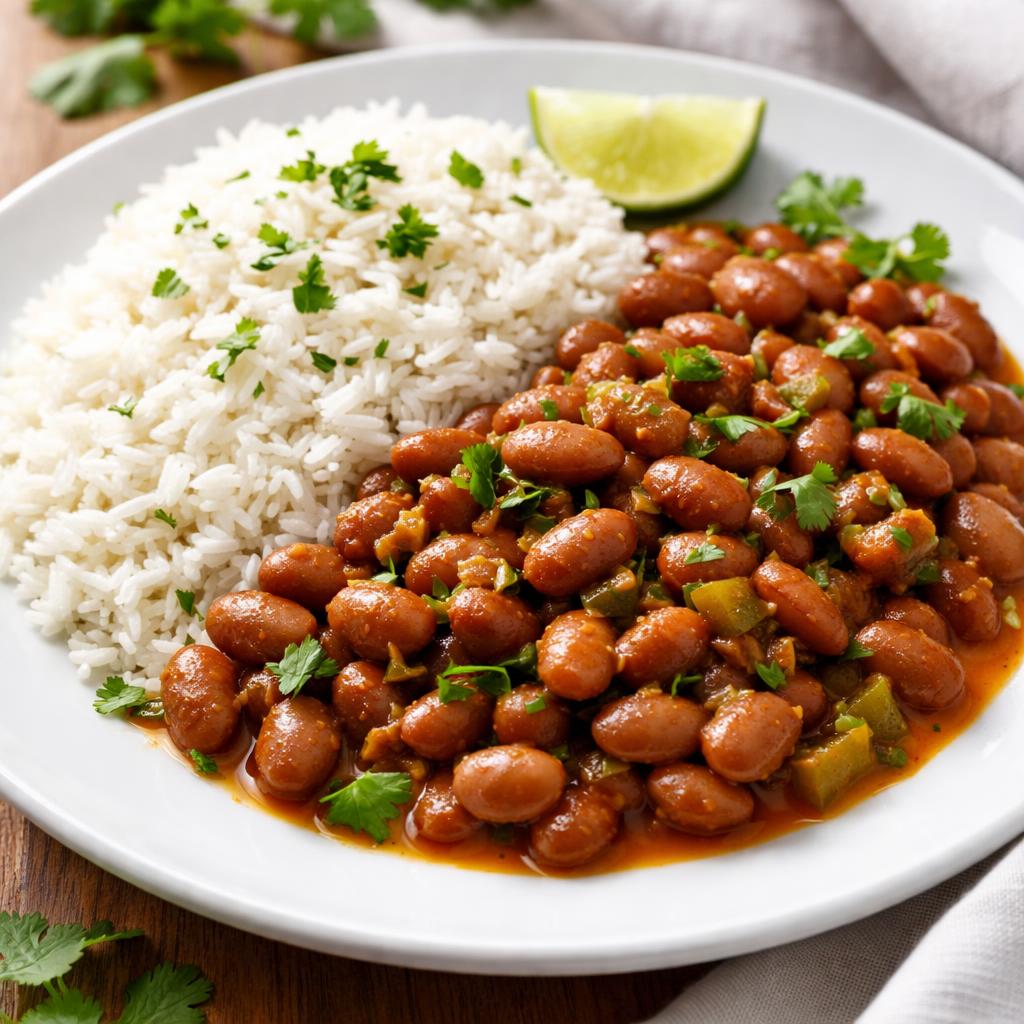
Rice And Beans
🎯 Quick Verdict
Rice and beans outperform fried rice in overall nutrition, offering more protein and fiber while being lower in calories and fat. Fried rice provides a higher calorie count and may suit those looking for a more energy-dense option or craving a richer flavor profile. Both foods are versatile but rice and beans are particularly advantageous for balanced and nutrient-rich diets.
Smart Nutrition Tracking with SnapCalorie
📊 Nutritional Comparison
Macronutrients
| Nutrient | Food 1 | Food 2 | Winner |
|---|---|---|---|
| Calories | 250 | 220 | ✓ |
| Protein | 6g | 9g | ✓ |
| Carbs | 42g | 40g | ✓ |
| Fat | 10g | 3g | ✓ |
| Fiber | 1g | 6g | ✓ |
Vitamins & Minerals
| Nutrient | Food 1 | Food 2 | Winner |
|---|---|---|---|
| Vitamin A | 50mcg | 15mcg | ✓ |
| Iron | 0.5mg | 2.5mg | ✓ |
| Potassium | 80mg | 300mg | ✓ |
🏆 Category Winners
Protein
Rice and beans provide 50% more protein due to the complementary amino acids in beans.
Fiber
Rice and beans have 6 times more fiber than fried rice.
Calories
Rice and beans have 12% fewer calories per serving.
Vitamins
Rice and beans are richer in iron and potassium, crucial for oxygen transport and muscle function.
🥗 Diet Compatibility
Keto
Food 1: Not Compatible
Food 2: Not Compatible
Both foods are high in carbohydrates.
Vegan
Food 1: Compatible
Food 2: Compatible
Both foods are plant-based.
Gluten Free
Food 1: Compatible
Food 2: Compatible
Neither food contains gluten.
Paleo
Food 1: Not Compatible
Food 2: Not Compatible
Both include grains or legumes, which are avoided in paleo diets.
Low Carb
Food 1: Not Compatible
Food 2: Not Compatible
Both are high-carb foods unsuitable for low-carb diets.
💪 Health Benefits Comparison
Food 1 Benefits
- Provides quick energy due to high carbohydrate content
- Contains some vitamin A for eye health
- Flavorful option to include in calorie-dense meals
Food 2 Benefits
- Rich in protein for muscle development and repair
- High fiber content supports digestion and improves satiety
- Good source of iron and potassium for metabolism and heart function
✅ The Bottom Line
Rice and beans are the better choice for balanced nutrition, offering higher protein and fiber while retaining relatively low fat and calories. Fried rice is better suited for indulgent meals needing more calories or flavor variety. For weight loss or digestive support, opt for rice and beans; for energy-dense meals or flavor, fried rice fits well.
Choose Food 1 for: Indulgent meals, quick energy boost, flavorful diets
Choose Food 2 for: Weight loss, high protein needs, digestive health