Fried Rice VS Plain Rice
A detailed nutritional comparison
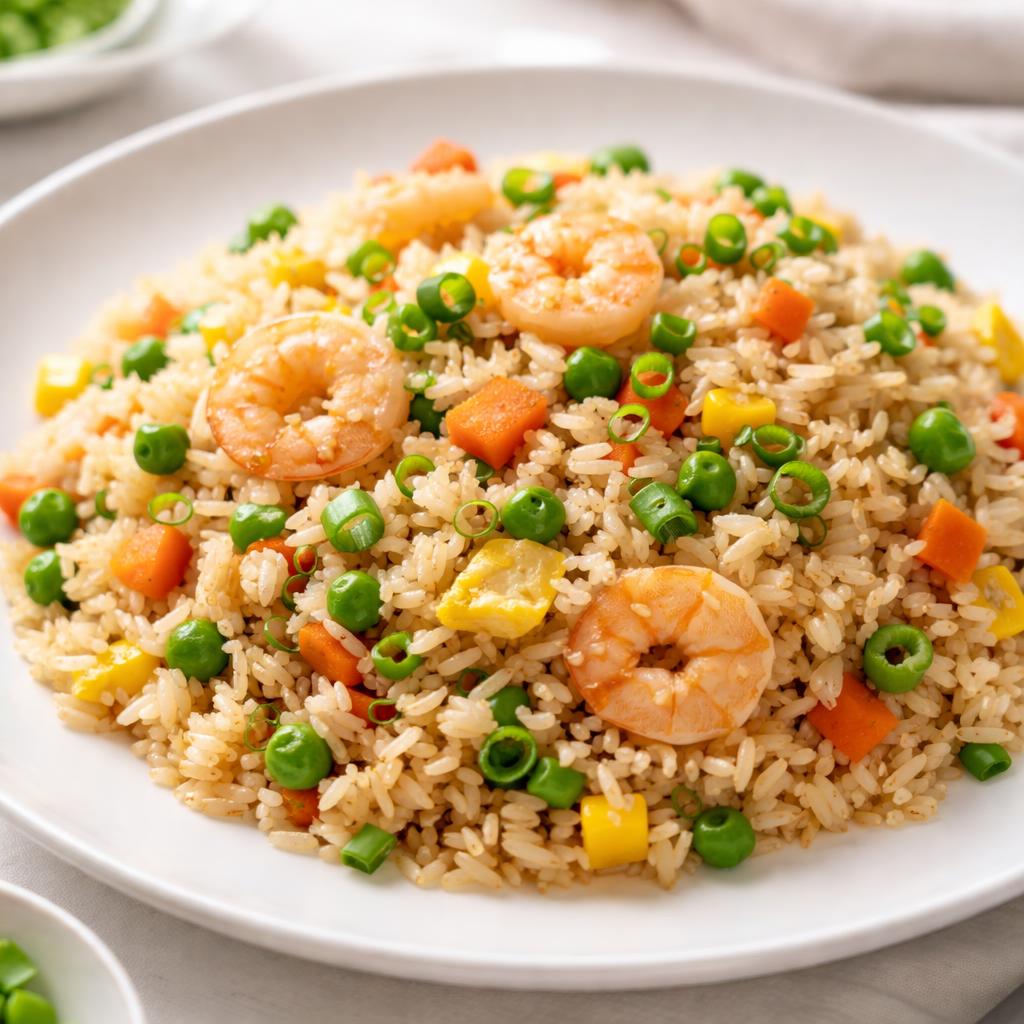
Fried Rice
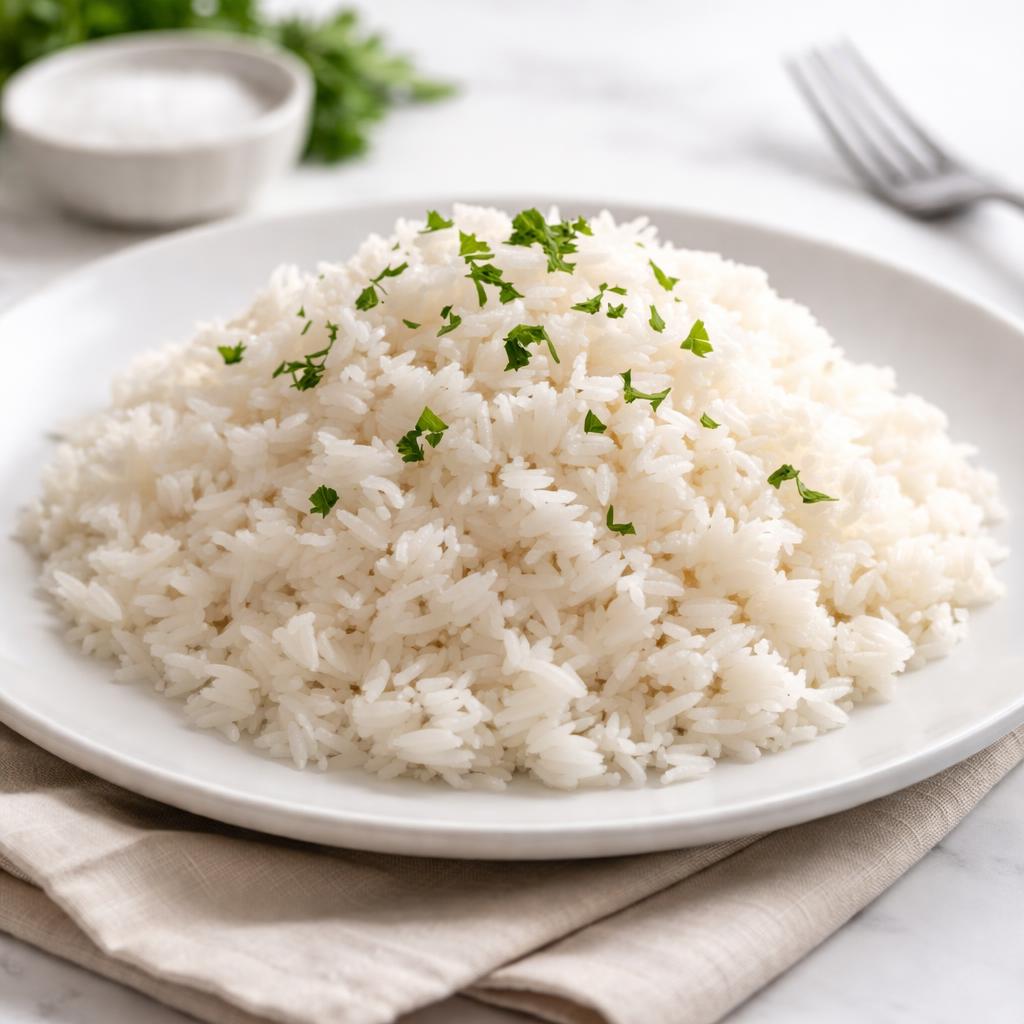
Plain Rice
🎯 Quick Verdict
Fried rice is higher in protein and fiber due to added ingredients like eggs, vegetables, and oil, while plain rice is significantly lower in calories and fat. Choose fried rice for a more nutrient-dense, filling option and plain rice for simpler, lower-calorie dietary needs or when serving alongside calorie-heavy dishes.

Smart Nutrition Tracking with SnapCalorie

📊 Nutritional Comparison
Macronutrients
| Nutrient | Food 1 | Food 2 | Winner |
|---|---|---|---|
| Calories | 250 | 130 | ✓ |
| Protein | 7g | 2g | ✓ |
| Carbs | 36g | 28g | ✓ |
| Fat | 8g | 0.3g | ✓ |
| Fiber | 2g | 0.5g | ✓ |
Vitamins & Minerals
| Nutrient | Food 1 | Food 2 | Winner |
|---|---|---|---|
| Vitamin D | 0.5mcg | 0mcg | ✓ |
| Calcium | 20mg | 10mg | ✓ |
| Iron | 1.5mg | 0.5mg | ✓ |
🏆 Category Winners
Protein
Fried rice contains added protein sources like eggs or chicken.
Fiber
Fried rice incorporates vegetables that increase fiber content.
Calories
Plain rice has almost half the calories per serving compared to fried rice.
Vitamins
Fried rice contains a wider variety of vitamins thanks to additional ingredients like vegetables and oil.
🥗 Diet Compatibility
Keto
Food 1: Not Compatible
Food 2: Not Compatible
Both foods are carbohydrate-heavy and exceed the limits of ketogenic diets.
Vegan
Food 1: Not Compatible
Food 2: Compatible
Fried rice often contains eggs or animal-based ingredients while plain rice is plant-based.
Gluten Free
Food 1: Compatible
Food 2: Compatible
Neither fried rice nor plain rice inherently contains gluten.
Paleo
Food 1: Not Compatible
Food 2: Not Compatible
Both foods are grain-based and not suitable for paleo diets.
Low-Carb
Food 1: Not Compatible
Food 2: Not Compatible
Both options are high in carbohydrates and not suitable for low-carb diets.
💪 Health Benefits Comparison
Food 1 Benefits
- Higher protein content helps with muscle maintenance and recovery.
- Vegetables and fiber promote better digestion.
- Iron content supports blood health and energy levels.
- Provides healthy fats depending on the choice of oils.
Food 2 Benefits
- Lower calorie content supports weight loss or reduced calorie diets.
- Easily digestible and gentle on the stomach, making it suitable for sensitive stomachs or recovery from illness.
- Serves as a versatile base for nutrient-rich meals.
- Gluten-free and hypoallergenic.
✅ The Bottom Line
Choose fried rice if you need a balanced, more filling meal with additional protein and fiber; it works well as a standalone dish or when seeking sustained energy. Plain rice is the better option for lower-calorie diets or as a neutral side dish for nutrient-dense meals.
Choose Food 1 for: Balanced meal, post-workout recovery, filling option for busy days.
Choose Food 2 for: Weight management, light meals, pairing with heavier dishes.


