Fried Rice VS Kimchi Fried Rice
A detailed nutritional comparison
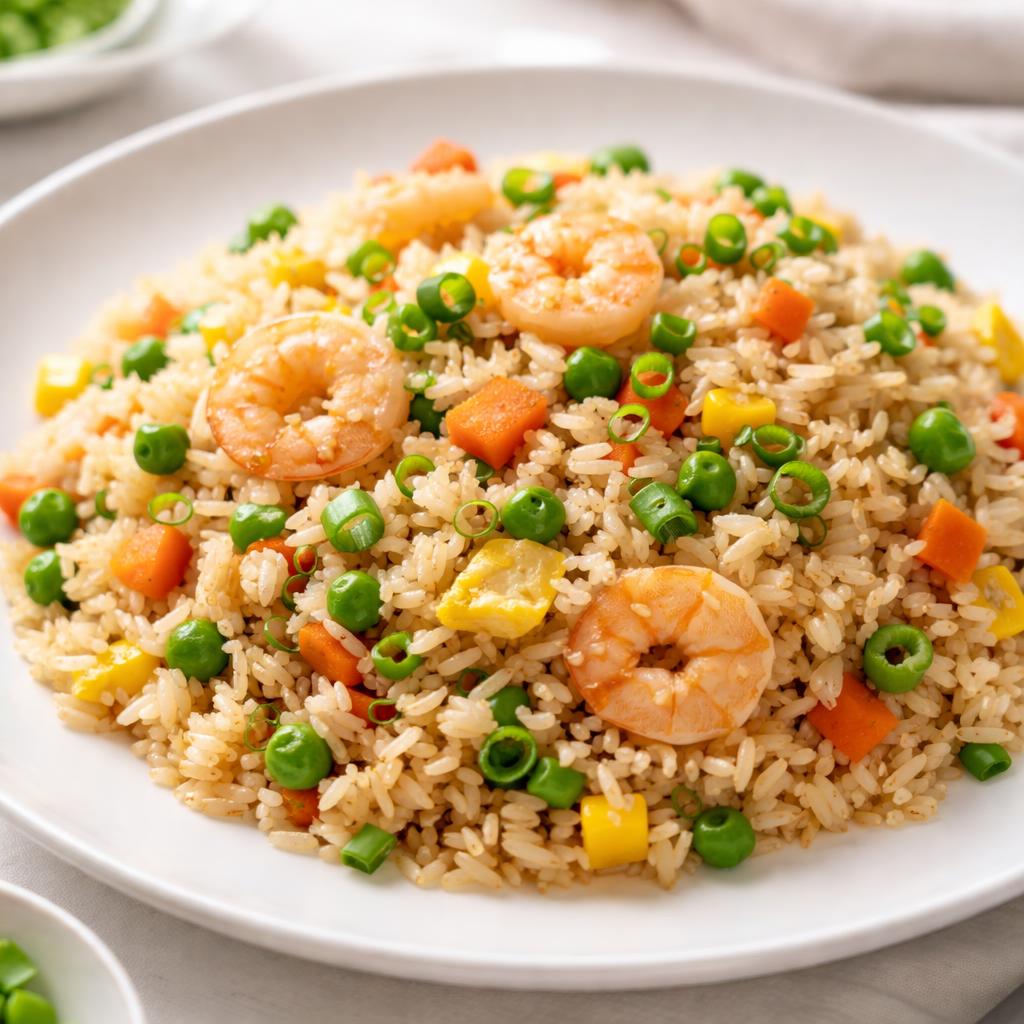
Fried Rice
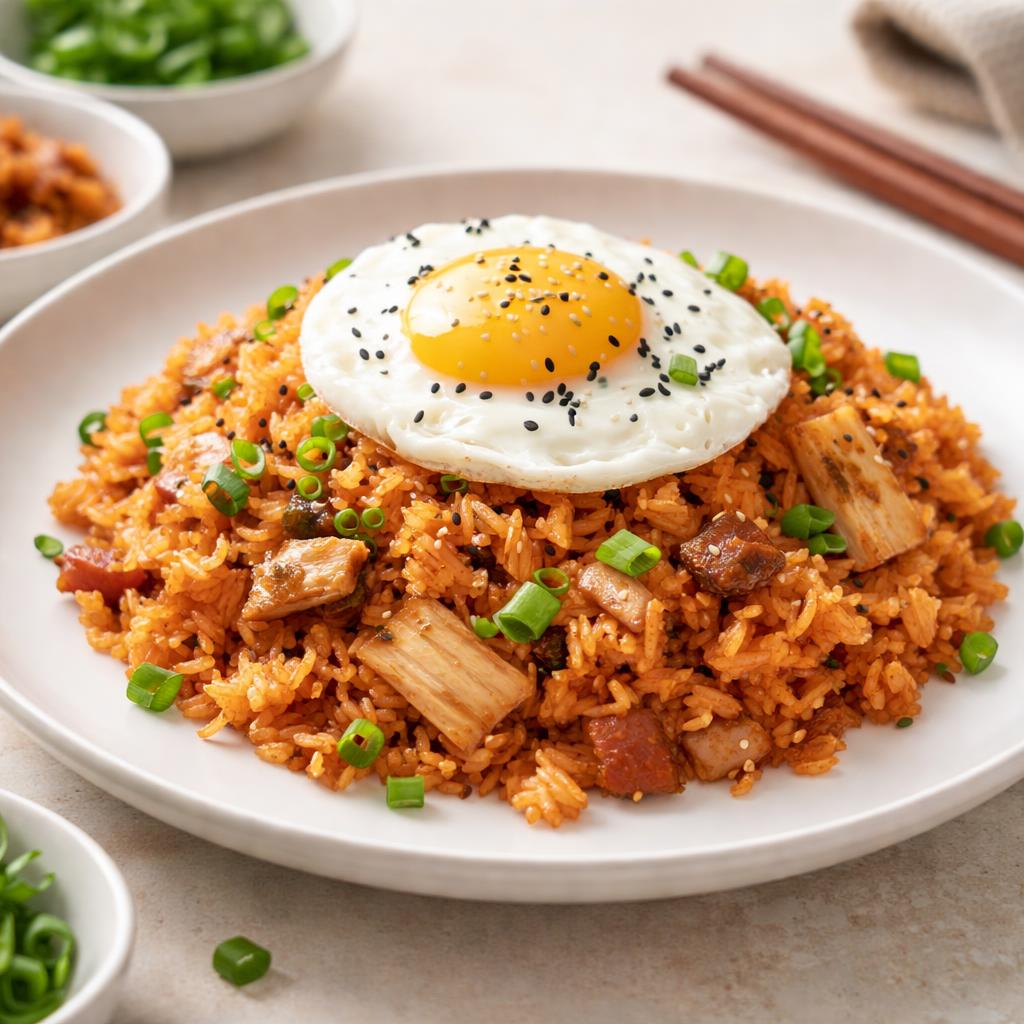
Kimchi Fried Rice
🎯 Quick Verdict
Kimchi fried rice has a slight edge in terms of nutritional benefits due to higher fiber and probiotic content from kimchi, which supports gut health. Traditional fried rice is slightly lower in calories and may better suit low-calorie meal plans but lacks the added nutritional boost from fermented ingredients in food2.

Smart Nutrition Tracking with SnapCalorie

📊 Nutritional Comparison
Macronutrients
| Nutrient | Food 1 | Food 2 | Winner |
|---|---|---|---|
| Calories | 250 | 280 | ✓ |
| Protein | 8g | 8g | − |
| Carbs | 35g | 38g | ✓ |
| Fat | 10g | 12g | ✓ |
| Fiber | 1g | 2g | ✓ |
Vitamins & Minerals
| Nutrient | Food 1 | Food 2 | Winner |
|---|---|---|---|
| Vitamin A | 50mcg | 150mcg | ✓ |
| Vitamin C | 10mg | 25mg | ✓ |
| Iron | 1mg | 1.5mg | ✓ |
🏆 Category Winners
Protein
Both foods provide equal protein (8g).
Fiber
Kimchi fried rice contains double the fiber due to kimchi vegetables.
Calories
Fried rice has 30 fewer calories per serving.
Vitamins
Kimchi contributes more vitamin A and C, plus iron for better nutrient density.
🥗 Diet Compatibility
Keto
Food 1: Not Compatible
Food 2: Not Compatible
Both are high-carb from rice.
Vegan
Food 1: Not Compatible
Food 2: Not Compatible
Typically includes eggs; requires modification.
Gluten Free
Food 1: Compatible
Food 2: Needs verification
Food2 might contain gluten-based soy sauce; check ingredients.
Paleo
Food 1: Not Compatible
Food 2: Not Compatible
Rice is not allowed on the paleo diet.
Low Carb
Food 1: Not Compatible
Food 2: Not Compatible
Both have high carbs from rice (30g+ per serving).
💪 Health Benefits Comparison
Food 1 Benefits
- Provides quick energy from carbohydrates
- Moderate protein content for satiety
- Lower calorie option than kimchi fried rice
Food 2 Benefits
- Promotes gut health due to probiotics in kimchi
- Higher fiber content for digestion
- Rich in vitamins A and C for immune health
✅ The Bottom Line
Fried rice is a lower-calorie option ideal for weight-conscious meals, while kimchi fried rice offers more fiber, vitamins, and probiotics, making it better for nutrient-dense or gut-health focused diets. Both foods are versatile, but dietary modifications may be needed for specific eating styles.
Choose Food 1 for: Low-calorie meal plans, basic protein needs, quick energy
Choose Food 2 for: Gut health, nutrient density, immune support


