Fried Noodles VS Kimchi Fried Rice
A detailed nutritional comparison
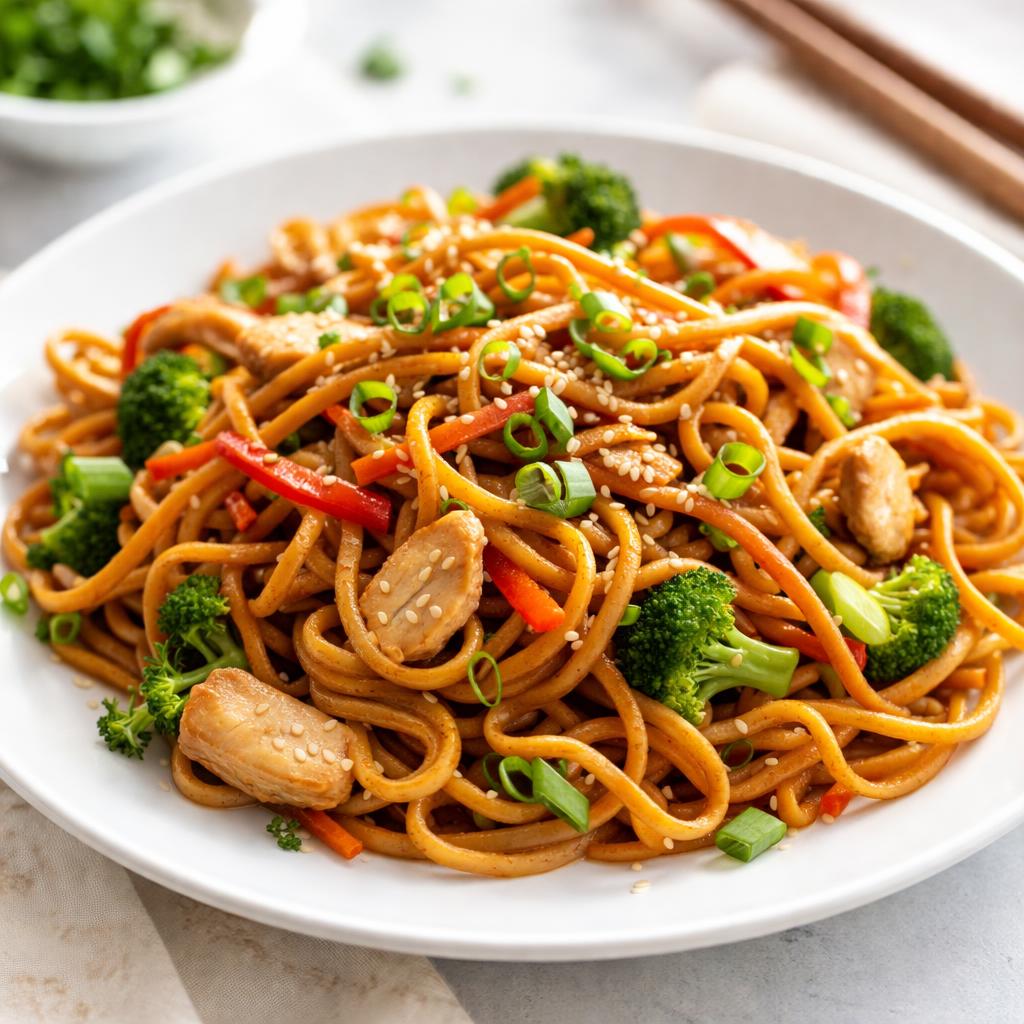
Fried Noodles
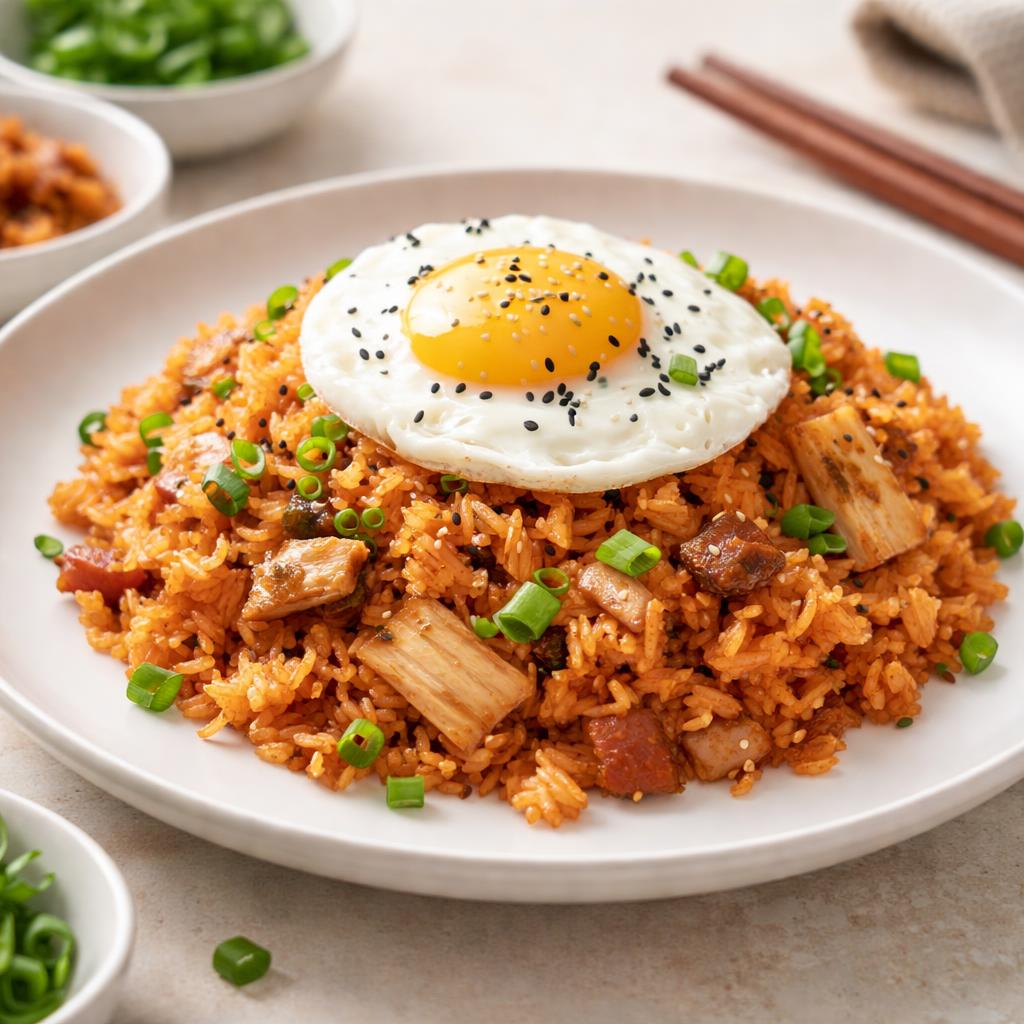
Kimchi Fried Rice
🎯 Quick Verdict
Kimchi fried rice is the better overall choice thanks to its higher protein content and fiber, along with fewer calories per serving. Fried noodles are higher in carbohydrates and fat, making them more calorie-dense, but they may suit individuals who require quick energy. Both are flavorful and versatile options, but kimchi fried rice offers more nutritional benefits for health-conscious eaters.

Smart Nutrition Tracking with SnapCalorie

📊 Nutritional Comparison
Macronutrients
| Nutrient | Food 1 | Food 2 | Winner |
|---|---|---|---|
| Calories | 538 | 320 | ✓ |
| Protein | 11g | 14g | ✓ |
| Carbs | 68g | 60g | ✓ |
| Fat | 21g | 10g | ✓ |
| Fiber | 3g | 5g | ✓ |
Vitamins & Minerals
| Nutrient | Food 1 | Food 2 | Winner |
|---|---|---|---|
| Vitamin A | 6% DV | 20% DV | ✓ |
| Vitamin C | 10% DV | 30% DV | ✓ |
| Calcium | 2% DV | 8% DV | ✓ |
| Iron | 8% DV | 12% DV | ✓ |
🏆 Category Winners
Protein
Kimchi fried rice has 27% more protein per serving compared to fried noodles.
Fiber
Kimchi fried rice provides 66% more fiber, supporting digestion.
Calories
Kimchi fried rice has 40% fewer calories than fried noodles.
Vitamins
Kimchi fried rice significantly outpaces fried noodles in key vitamins such as A, C, calcium, and iron.
🥗 Diet Compatibility
Keto
Food 1: Not Compatible
Food 2: Not Compatible
Both foods are high-carb options, making them unsuitable for keto diets.
Vegan
Food 1: Depends on preparation
Food 2: Depends on preparation
Neither food is inherently vegan, but adjustments can make them suitable.
Gluten Free
Food 1: Not Compatible
Food 2: Usually Compatible
Fried noodles typically contain gluten, while some versions of kimchi fried rice may be gluten-free depending on ingredients used.
Paleo
Food 1: Not Compatible
Food 2: Not Compatible
Both foods contain grains, which are not permitted in paleo diets.
Low-Carb
Food 1: Not Compatible
Food 2: Not Compatible
Both foods have moderate to high carbohydrate content.
💪 Health Benefits Comparison
Food 1 Benefits
- Provides quick energy due to high carbohydrate content
- Good for individuals requiring calorie-dense meals
- Rich in fat, which can support brain function in moderation
Food 2 Benefits
- Supports digestion with a higher fiber content
- Rich in immune-boosting antioxidants from kimchi
- Lower calorie option for weight management
- Higher protein for muscle repair and maintenance
✅ The Bottom Line
For healthier eating, kimchi fried rice is the better choice with lower calories, higher protein, and more fiber. Fried noodles are better for those who need quick energy or prefer a more calorie-dense meal. Adjustments to preparation can enhance the nutritional profiles of both foods.
Choose Food 1 for: High-energy needs, indulgent comfort food, larger portions
Choose Food 2 for: Weight management, digestion support, nutrient-dense meals


