Fried Noodles VS Chinese Noodles
A detailed nutritional comparison
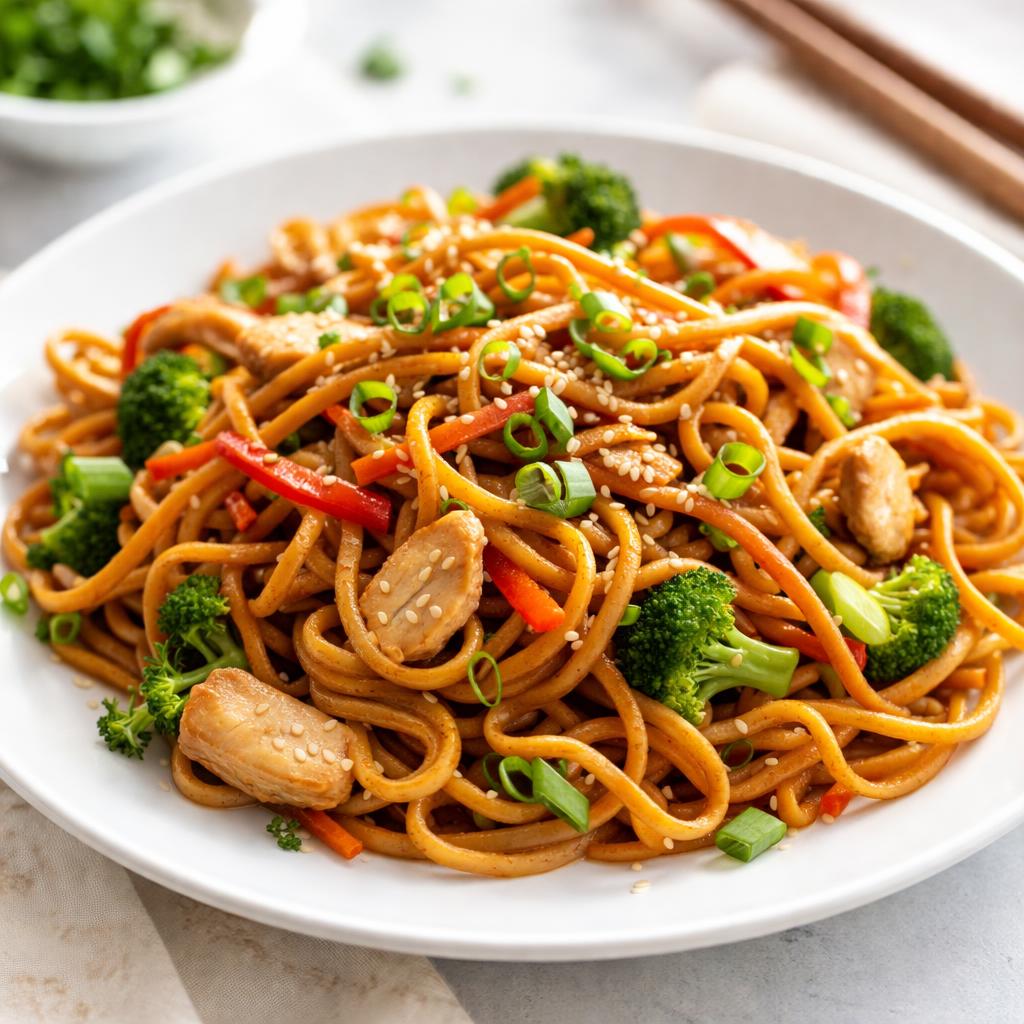
Fried Noodles
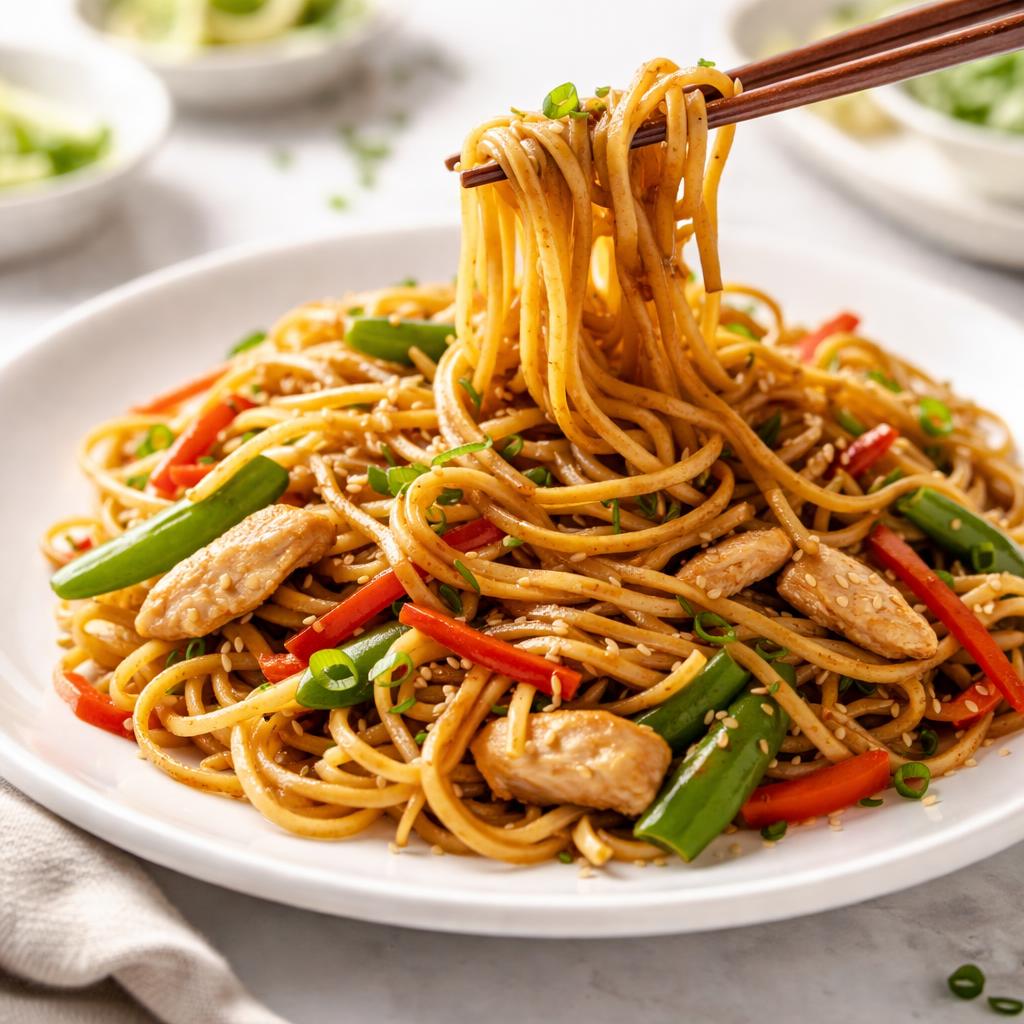
Chinese Noodles
🎯 Quick Verdict
Fried noodles are higher in calories and fat due to the frying process, but they contain slightly more fiber compared to Chinese noodles. Chinese noodles are lighter with fewer calories and are a better source of carbs for sustained energy. Fried noodles may work better for occasional indulgence, while Chinese noodles are a more balanced option for daily meals or lower-calorie diets.

Smart Nutrition Tracking with SnapCalorie

📊 Nutritional Comparison
Macronutrients
| Nutrient | Food 1 | Food 2 | Winner |
|---|---|---|---|
| Calories | 310 | 220 | ✓ |
| Protein | 8g | 8g | − |
| Carbs | 30g | 42g | ✓ |
| Fat | 20g | 3g | ✓ |
| Fiber | 3g | 2g | ✓ |
Vitamins & Minerals
| Nutrient | Food 1 | Food 2 | Winner |
|---|---|---|---|
| Vitamin B6 | 0.1mg | 0.2mg | ✓ |
| Thiamine (Vitamin B1) | 0.2mg | 0.3mg | ✓ |
| Iron | 1.2mg | 1mg | ✓ |
| Magnesium | 20mg | 25mg | ✓ |
🏆 Category Winners
Protein
Both contain an equal amount of 8g protein per serving.
Fiber
Fried noodles contain 50% more fiber than Chinese noodles.
Calories
Chinese noodles have 29% fewer calories per serving.
Vitamins
Chinese noodles provide slightly more B-group vitamins and magnesium.
🥗 Diet Compatibility
Keto
Food 1: Not Compatible
Food 2: Not Compatible
Both are high in carbohydrates.
Vegan
Food 1: Compatible
Food 2: Compatible
Both are plant-based unless additional non-vegan toppings are added.
Gluten Free
Food 1: Not Compatible
Food 2: Not Compatible
Both typically contain wheat unless gluten-free varieties are used.
Paleo
Food 1: Not Compatible
Food 2: Not Compatible
Both are processed foods not allowed on a paleo diet.
Low-Carb
Food 1: Not Compatible
Food 2: Not Compatible
Both are high in carbohydrates and not suitable for strict low-carb diets.
💪 Health Benefits Comparison
Food 1 Benefits
- Moderate amount of fiber for digestion
- Contains iron to support circulation
- More satisfying due to higher fat content
- Potentially offers better satiety due to a mix of macros
Food 2 Benefits
- Lower calorie option for weight management
- Good source of carbs for sustained energy
- Provides important B vitamins for energy metabolism
- Higher magnesium content for muscle and nerve function
✅ The Bottom Line
Choose fried noodles for occasional indulgence or when you need a more filling and savory option, given its higher fat and fiber content. Opt for Chinese noodles if you're aiming for a lighter meal with lower calories and a better profile of vitamins and minerals, ideal for balanced, everyday consumption.
Choose Food 1 for: Indulgent meals, heavier dishes, those seeking slightly more fiber
Choose Food 2 for: Weight management, lighter meals, higher energy from carbs


