Flatbread VS Wholegrain Bread
A detailed nutritional comparison

Flatbread
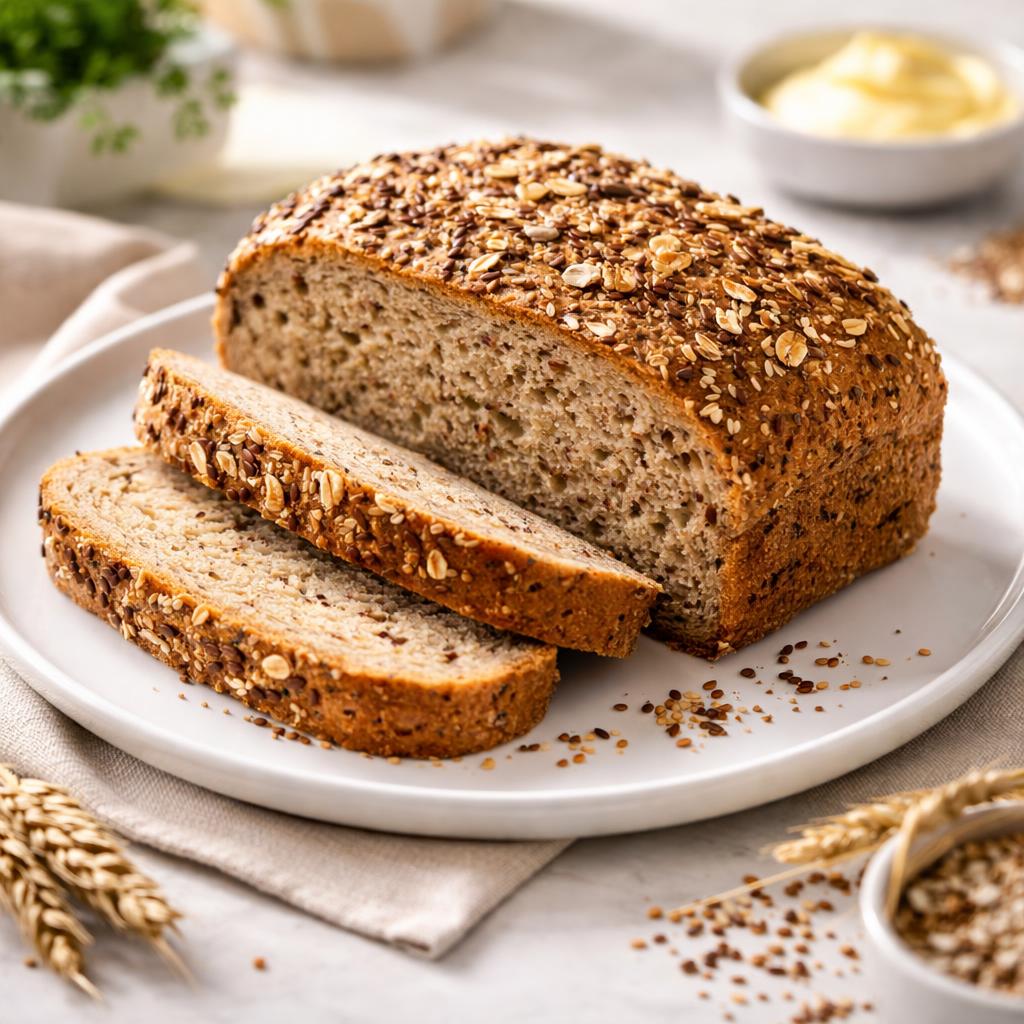
Wholegrain Bread
🎯 Quick Verdict
Wholegrain bread tends to offer a more balanced nutritional profile with higher protein and fiber due to its whole grain content, making it ideal for sustained energy and digestion-related benefits. Flatbread, on the other hand, usually has similar calories but is lower in fiber and protein, making it more suitable for lighter meals or wraps where fewer grains are ideal.

Smart Nutrition Tracking with SnapCalorie

📊 Nutritional Comparison
Macronutrients
| Nutrient | Food 1 | Food 2 | Winner |
|---|---|---|---|
| Calories | 150 | 150 | − |
| Protein | 4g | 8g | ✓ |
| Carbs | 22g | 25g | ✓ |
| Fat | 3g | 2g | ✓ |
| Fiber | 1g | 4g | ✓ |
Vitamins & Minerals
| Nutrient | Food 1 | Food 2 | Winner |
|---|---|---|---|
| Vitamin D | 0mcg | 0mcg | − |
| Calcium | 50mg | 80mg | ✓ |
| Iron | 0.6mg | 1.2mg | ✓ |
🏆 Category Winners
Protein
Wholegrain bread has twice the protein of flatbread, supporting muscle health and satiety.
Fiber
Wholegrain bread contains four times the fiber compared to flatbread, aiding digestion.
Calories
Both foods contain approximately 150 calories per serving.
🥗 Diet Compatibility
Keto
Food 1: Not Compatible
Food 2: Not Compatible
Both foods are high-carb and not suitable for keto diets.
Vegan
Food 1: Compatible
Food 2: Compatible
Both are plant-based products.
Gluten Free
Food 1: Not Compatible
Food 2: Not Compatible
Both typically contain gluten unless explicitly labeled gluten-free.
Paleo
Food 1: Not Compatible
Food 2: Not Compatible
Neither flatbread nor wholegrain bread fits paleo diet guidelines due to grains.
Low-Carb
Food 1: Not Compatible
Food 2: Not Compatible
Both foods exceed low-carb thresholds with high total carbohydrates.
💪 Health Benefits Comparison
Food 1 Benefits
- Lower in carbs compared to most breads, making it a lighter option
- Can be a versatile wrap or base for lower-calorie meals
- Provides modest amounts of calcium to support bone health
Food 2 Benefits
- Rich in protein to support muscle maintenance and fullness
- High fiber content aids digestion and promotes gut health
- Contains whole grains for sustained energy and essential nutrients
✅ The Bottom Line
Flatbread is a better choice if looking for a lower-carb and lighter option, especially for wraps or quick snacks. Wholegrain bread stands out for its higher fiber and protein content, making it ideal for those seeking nutrient-dense, energy-sustaining meals.
Choose Food 1 for: Quick snacks, lighter meals, wraps
Choose Food 2 for: Balanced meals, digestive health, sustained energy


