Flatbread VS White Bread
A detailed nutritional comparison

Flatbread
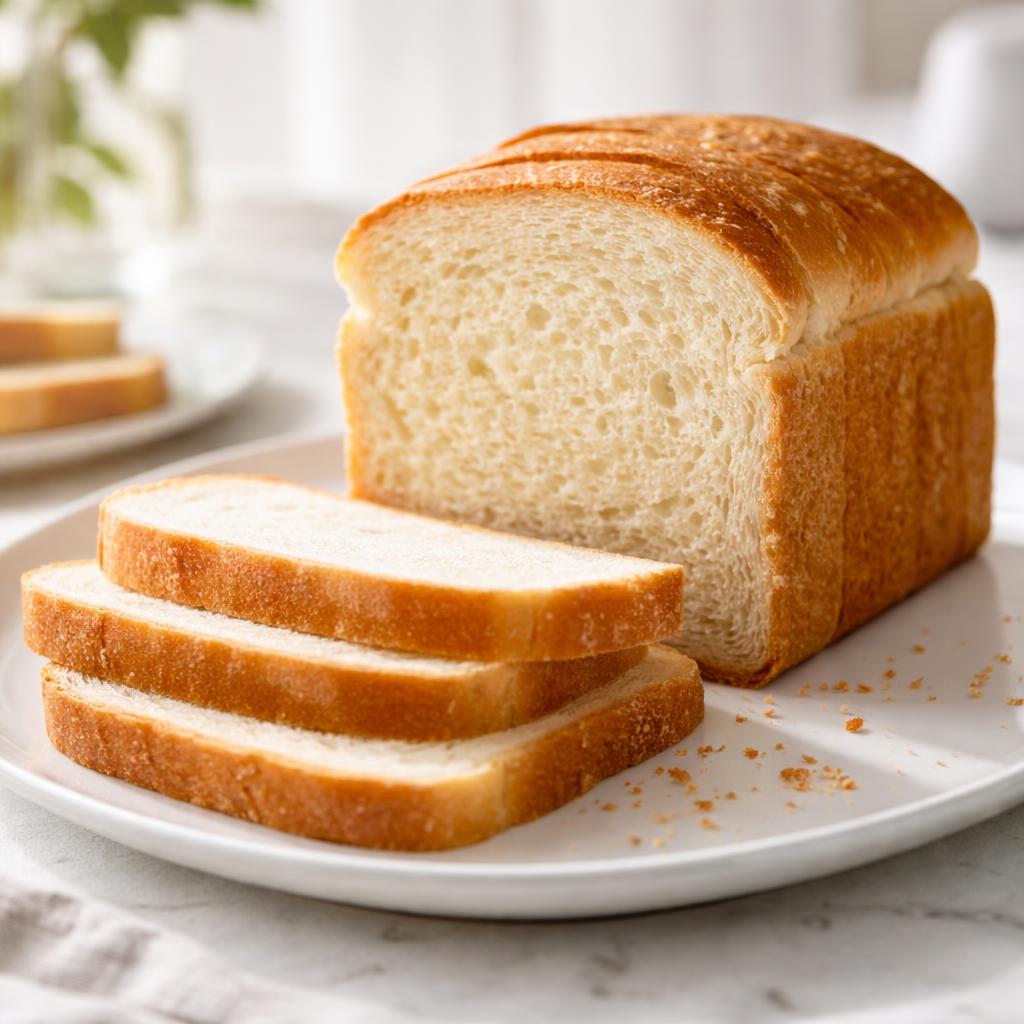
White Bread
🎯 Quick Verdict
Flatbread generally has fewer calories and higher protein and fiber content compared to white bread, making it a better option for weight management or high-protein diets. White bread, while softer and more versatile, is typically higher in carbohydrates and lower in fiber and nutrients, which may not suit low-carb diets as well as flatbread does.

Smart Nutrition Tracking with SnapCalorie

📊 Nutritional Comparison
Macronutrients
| Nutrient | Food 1 | Food 2 | Winner |
|---|---|---|---|
| Calories | 150 | 170 | − |
| Protein | 5g | 3g | − |
| Carbs | 25g | 30g | − |
| Fat | 2g | 1.5g | − |
| Fiber | 3g | 1g | − |
Vitamins & Minerals
| Nutrient | Food 1 | Food 2 | Winner |
|---|---|---|---|
| Vitamin D | 0mcg | 0mcg | − |
| Calcium | 60mg | 30mg | − |
| Iron | 1.5mg | 1mg | − |
🏆 Category Winners
Protein
Flatbread has 67% more protein per serving.
Fiber
Flatbread contains three times more fiber.
Calories
Flatbread has approximately 12% fewer calories than white bread.
🥗 Diet Compatibility
Keto
Food 1: Not Compatible
Food 2: Not Compatible
Both are high in carbs and not suitable for a ketogenic diet.
Vegan
Food 1: Compatible
Food 2: Compatible
Both are plant-based and suitable for vegans.
Gluten Free
Food 1: Not Compatible
Food 2: Not Compatible
Both contain gluten and are not suitable for gluten-free diets.
Paleo
Food 1: Not Compatible
Food 2: Not Compatible
Neither fits the paleo guidelines as they are made from processed grains.
Low Carb
Food 1: Partially Compatible
Food 2: Not Compatible
Flatbread has fewer carbs but is still high-carb overall, making it marginally better than white bread for low-carb diets.
💪 Health Benefits Comparison
Food 1 Benefits
- Higher in fiber for improved digestion
- Provides more protein for muscle repair
- Lower in calories, aiding in weight management
Food 2 Benefits
- Soft texture makes it versatile for sandwiches
- Contains moderate carbohydrates for energy
- Easily fortified with additional vitamins and minerals
✅ The Bottom Line
Flatbread is nutritionally superior, with fewer calories, more protein, and higher fiber content, making it better for weight management and digestive health. White bread may still suit those prioritizing taste, texture, or convenience in recipes. Choose flatbread for healthier sandwiches or wraps, while white bread is better for occasional indulgence or traditional meals.
Choose Food 1 for: Weight loss, high-protein diets, fiber-rich diets, wraps
Choose Food 2 for: Soft bread recipes, traditional meals, quick sandwich preparation


