Flatbread VS Sliced Bread
A detailed nutritional comparison
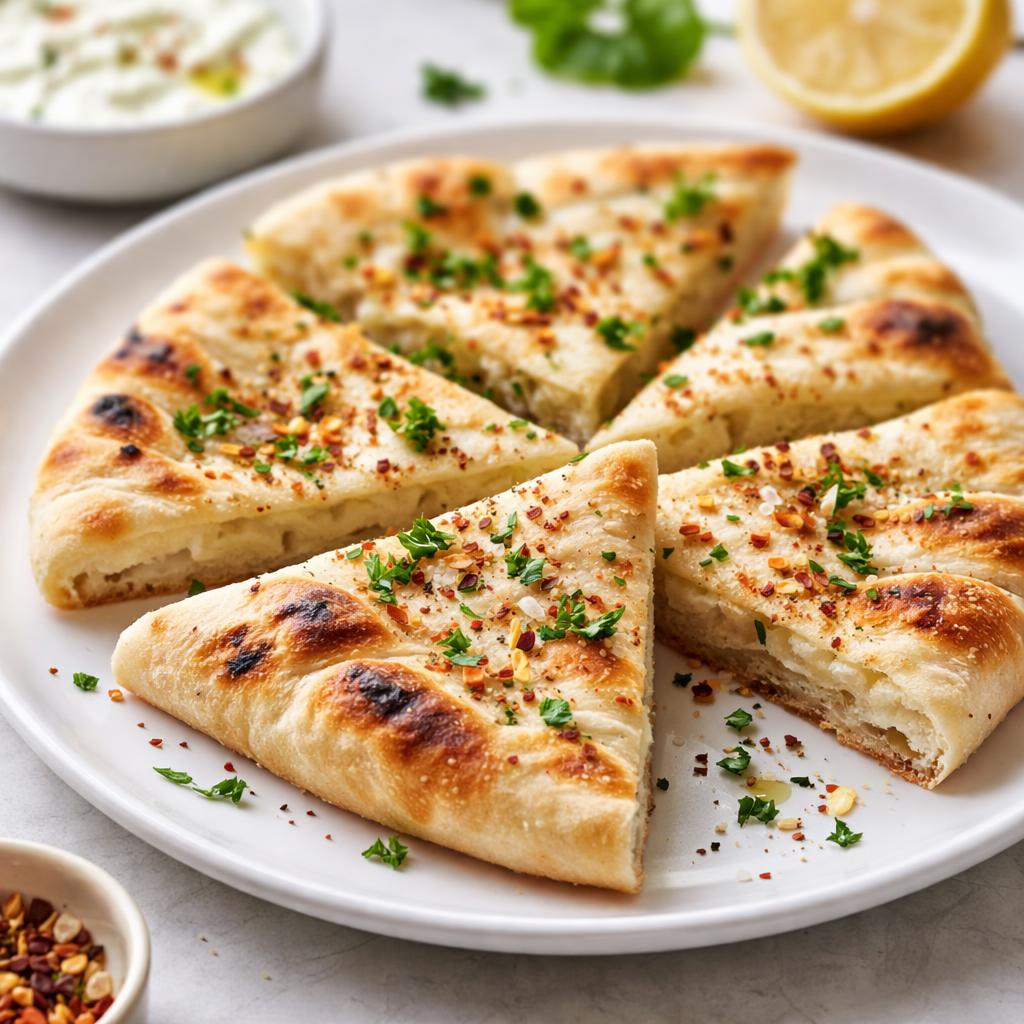
Flatbread
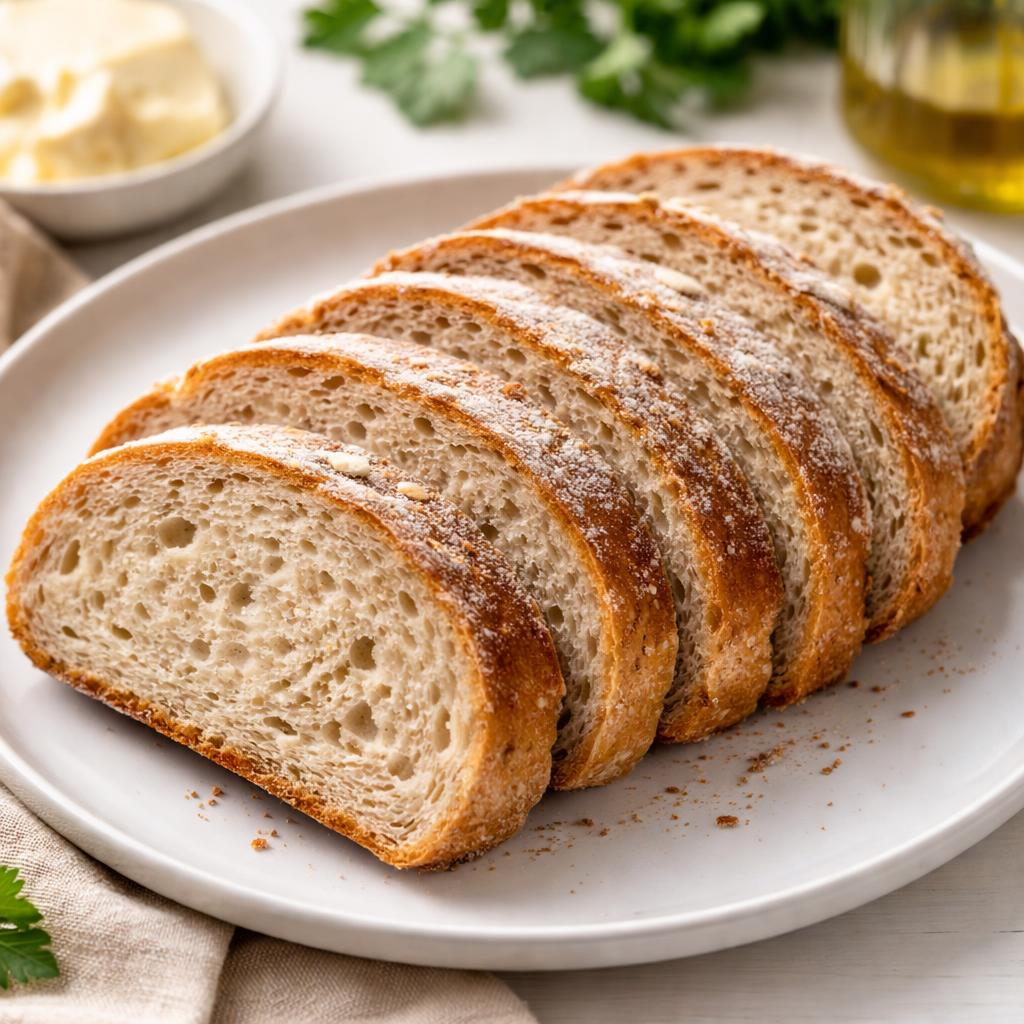
Sliced Bread
🎯 Quick Verdict
Flatbread is generally lower in calories (150 vs 200 per serving) and higher in fiber, making it a better choice for weight-conscious individuals. Sliced bread, on the other hand, often contains slightly more nutrients overall, including higher iron levels, and is more versatile as a staple for sandwiches and toasts. Flatbread works well for wraps or lower-calorie meals, while sliced bread fits traditional uses nicely.

Smart Nutrition Tracking with SnapCalorie

📊 Nutritional Comparison
Macronutrients
| Nutrient | Food 1 | Food 2 | Winner |
|---|---|---|---|
| Calories | 150 | 200 | ✓ |
| Protein | 5g | 5g | − |
| Carbs | 30g | 40g | ✓ |
| Fat | 2g | 3g | ✓ |
| Fiber | 4g | 2g | ✓ |
Vitamins & Minerals
| Nutrient | Food 1 | Food 2 | Winner |
|---|---|---|---|
| Vitamin D | 0mcg | 0.5mcg | ✓ |
| Calcium | 100mg | 75mg | ✓ |
| Iron | 0.5mg | 1mg | ✓ |
🏆 Category Winners
Protein
Both foods provide an equal amount of protein at 5g per serving.
Fiber
Flatbread contains double the fiber of sliced bread (4g vs 2g).
Calories
Flatbread is 25% lower in calories than sliced bread.
Vitamins
Sliced bread offers slightly more vitamin D and iron per serving.
🥗 Diet Compatibility
Keto
Food 1: Not Compatible
Food 2: Not Compatible
Both are high in carbs.
Vegan
Food 1: Compatible
Food 2: Compatible
Neither contains animal products.
Gluten Free
Food 1: Not Compatible
Food 2: Not Compatible
Both are wheat-based.
Paleo
Food 1: Not Compatible
Food 2: Not Compatible
Neither fits the Paleo diet due to grains.
Low Carb
Food 1: Not Ideal
Food 2: Not Ideal
Both are relatively high in carbohydrates for low-carb diets.
💪 Health Benefits Comparison
Food 1 Benefits
- Lower in calories, ideal for weight management
- Higher fiber content aids digestion
- Moderate carb content provides consistent energy
Food 2 Benefits
- Rich in iron to support oxygen transport in the blood
- Contains vitamin D for bone health
- Higher carb content can help sustain energy levels
✅ The Bottom Line
Flatbread is the better option for lower-calorie meals with higher fiber content, making it ideal for wraps or lighter dishes. Sliced bread is better for nutrient content like iron and vitamin D, and it's the go-to option for traditional sandwiches and breakfast toast.
Choose Food 1 for: Weight management, fiber-rich meals, lighter wraps
Choose Food 2 for: Sandwiches, nutrient-focused meals, energy sustenance


