Flatbread VS Protein Bread
A detailed nutritional comparison
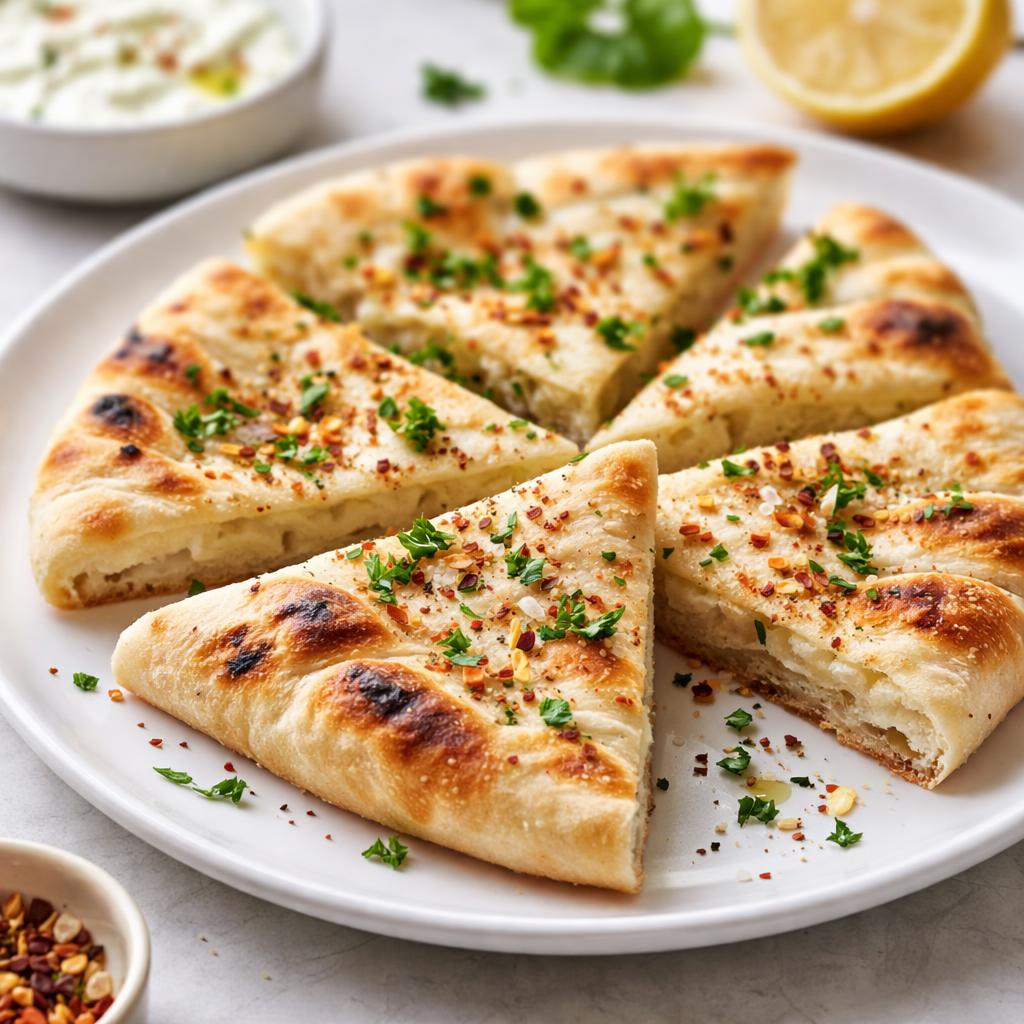
Flatbread
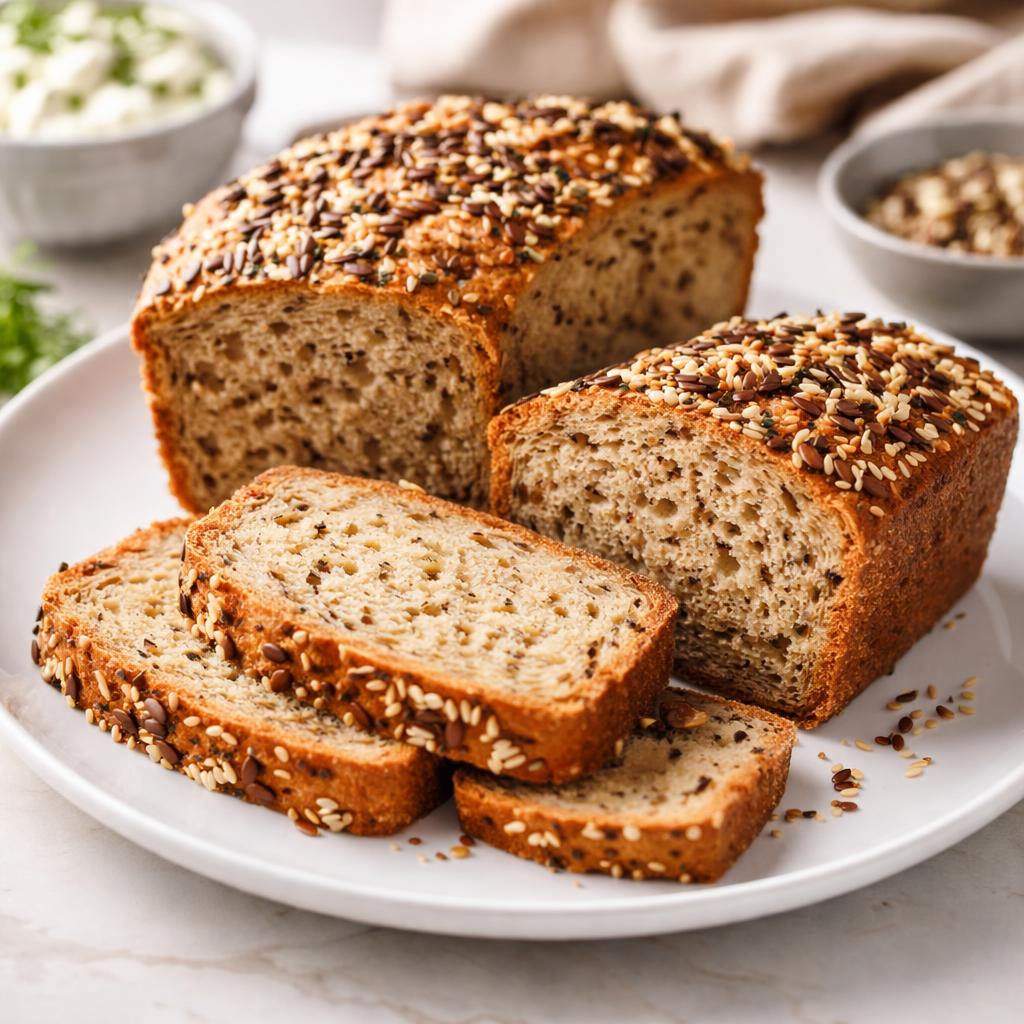
Protein Bread
🎯 Quick Verdict
Protein bread significantly outperforms flatbread in nutrition due to its higher protein content (12g vs. 5g per serving), fiber (6g vs. 1g), and lower calories (100 vs. 150). Flatbread may be more suited for traditional recipes and higher-carb diets, while protein bread is ideal for health-focused meals and weight loss plans.

Smart Nutrition Tracking with SnapCalorie

📊 Nutritional Comparison
Macronutrients
| Nutrient | Food 1 | Food 2 | Winner |
|---|---|---|---|
| Calories | 150 | 100 | ✓ |
| Protein | 5g | 12g | ✓ |
| Carbs | 25g | 10g | ✓ |
| Fat | 3g | 2g | ✓ |
| Fiber | 1g | 6g | ✓ |
Vitamins & Minerals
| Nutrient | Food 1 | Food 2 | Winner |
|---|---|---|---|
| Vitamin D | 0mcg | 1mcg | ✓ |
| Calcium | 50mg | 100mg | ✓ |
| Iron | 1mg | 2mg | ✓ |
🏆 Category Winners
Protein
Protein bread offers over double the protein compared to flatbread.
Fiber
Protein bread contains 500% more fiber than flatbread.
Calories
Protein bread has 33% fewer calories.
Vitamins
Protein bread has higher levels of Vitamin D, calcium, and iron.
🥗 Diet Compatibility
Keto
Food 1: Not Compatible
Food 2: Compatible
Protein bread is low in carbs (10g per serving).
Vegan
Food 1: Compatible
Food 2: Compatible
Both are plant-based if made without animal-derived ingredients.
Gluten Free
Food 1: Not Compatible
Food 2: Not Compatible
Both typically contain gluten unless specialized gluten-free versions are used.
Paleo
Food 1: Not Compatible
Food 2: Not Compatible
Neither food aligns with paleo guidelines due to processed grains.
Low Carb
Food 1: Not Compatible
Food 2: Compatible
Protein bread has fewer carbs, supporting low-carb diets.
💪 Health Benefits Comparison
Food 1 Benefits
- Provides a moderate energy boost from carbs
- Can be a good base for various meals like wraps or pizzas
- Simple ingredients can fit traditional diets
Food 2 Benefits
- High protein supports muscle building and repair
- Rich in fiber for improved digestion and gut health
- Lower calorie density ideal for weight loss goals
- Contains added vitamins and minerals for overall health
✅ The Bottom Line
Protein bread is the better choice for most dietary goals due to its high protein content, fiber-rich profile, and lower calorie count. Flatbread remains a versatile option for traditional recipes or higher-carb meals. Choose flatbread for convenience in recipes, or protein bread for health-focused meals and weight management.
Choose Food 1 for: Traditional recipes, energy needs, moderate-carb diets
Choose Food 2 for: Weight loss, high-protein diets, digestion-focused meals


