Ezekiel Bread VS Slice Of White Bread
A detailed nutritional comparison
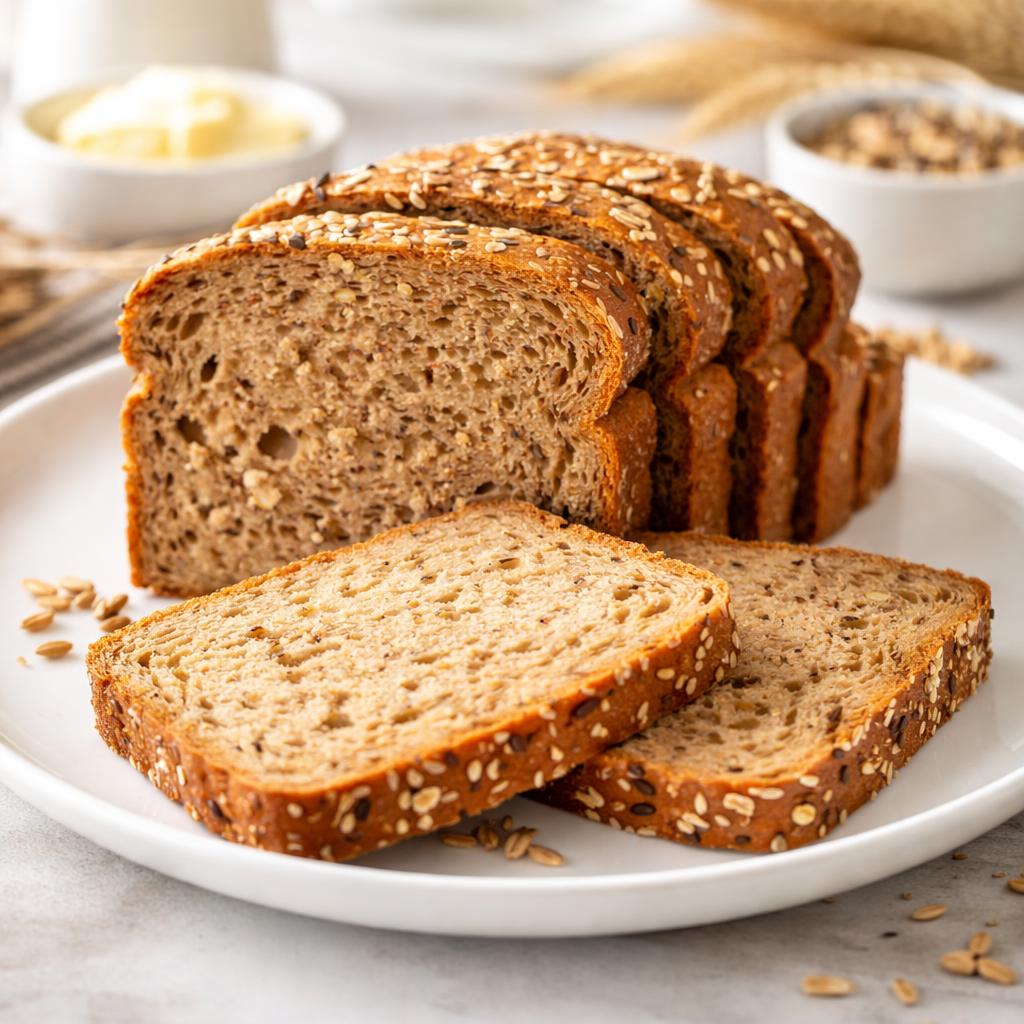
Ezekiel Bread
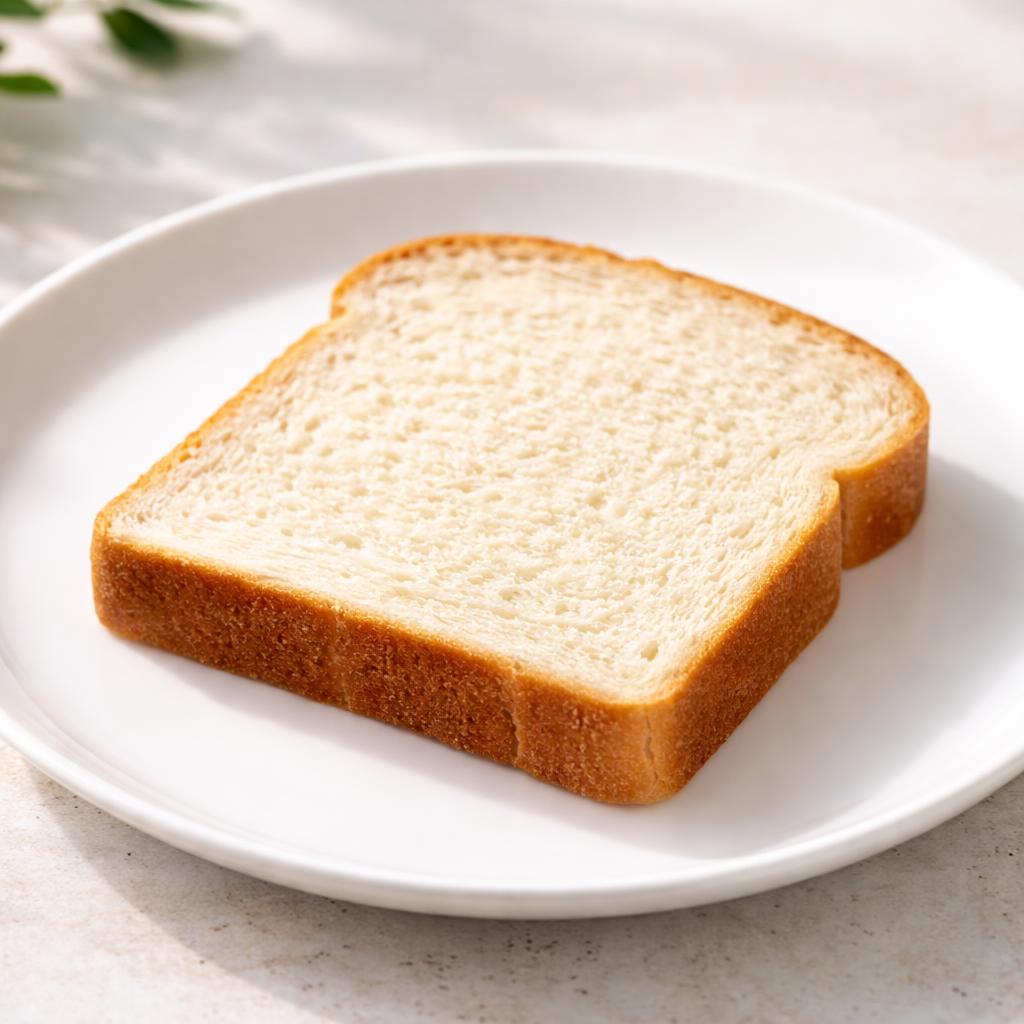
Slice Of White Bread
🎯 Quick Verdict
Ezekiel bread outperforms white bread nutritionally, offering more protein, fiber, vitamins, and fewer calories per slice. While white bread provides quick energy due to its higher carb content, Ezekiel bread is better suited for health-focused diets, promoting sustained energy and digestion due to its sprouted grains and higher nutrient density.

Smart Nutrition Tracking with SnapCalorie

📊 Nutritional Comparison
Macronutrients
| Nutrient | Food 1 | Food 2 | Winner |
|---|---|---|---|
| Calories | 80 | 120 | ✓ |
| Protein | 4g | 2g | ✓ |
| Carbs | 15g | 22g | ✓ |
| Fat | 0.5g | 1g | ✓ |
| Fiber | 3g | 0.5g | ✓ |
Vitamins & Minerals
| Nutrient | Food 1 | Food 2 | Winner |
|---|---|---|---|
| Vitamin B6 | 0.1mg | 0.02mg | ✓ |
| Folate | 30mcg | 25mcg | ✓ |
| Calcium | 10mg | 25mg | ✓ |
| Iron | 0.8mg | 0.3mg | ✓ |
🏆 Category Winners
Protein
Ezekiel bread contains twice as much protein per slice compared to white bread.
Fiber
Ezekiel bread provides six times more fiber, aiding digestion and satiety.
Calories
Ezekiel bread has 33% fewer calories per slice, ideal for weight management.
Vitamins
Ezekiel bread is richer in essential vitamins like vitamin B6 and iron.
🥗 Diet Compatibility
Keto
Food 1: Not Compatible
Food 2: Not Compatible
Both are high-carb and not suitable for keto diets.
Vegan
Food 1: Compatible
Food 2: Compatible
Both breads are plant-based and vegan-friendly.
Gluten Free
Food 1: Not Compatible
Food 2: Not Compatible
Both breads contain gluten.
Paleo
Food 1: Not Compatible
Food 2: Not Compatible
Neither fit paleo criteria due to grains.
Low Carb
Food 1: Not Compatible
Food 2: Not Compatible
Both are relatively high in carbohydrates per serving.
💪 Health Benefits Comparison
Food 1 Benefits
- High in fiber for digestive health
- Richer in protein to support muscle maintenance
- Contains sprouted grains for better nutrient absorption
- Low glycemic index for sustained energy
Food 2 Benefits
- Provides quick energy from simple carbs
- Fortified with vitamins like folate for basic nutrition
- Lightweight and inexpensive option
✅ The Bottom Line
Ezekiel bread is the clear winner for health-conscious consumers due to its higher protein, fiber, and nutrient content, making it ideal for weight management, digestion, and sustained energy. White bread may still be a convenient choice for quick energy or for those on a budget, but it lacks the nutritional complexity of Ezekiel bread.
Choose Food 1 for: Weight management, sustained energy, digestive health
Choose Food 2 for: Convenience, budget-friendly options, quick energy boosts


