Egg VS Veggies
A detailed nutritional comparison

Egg
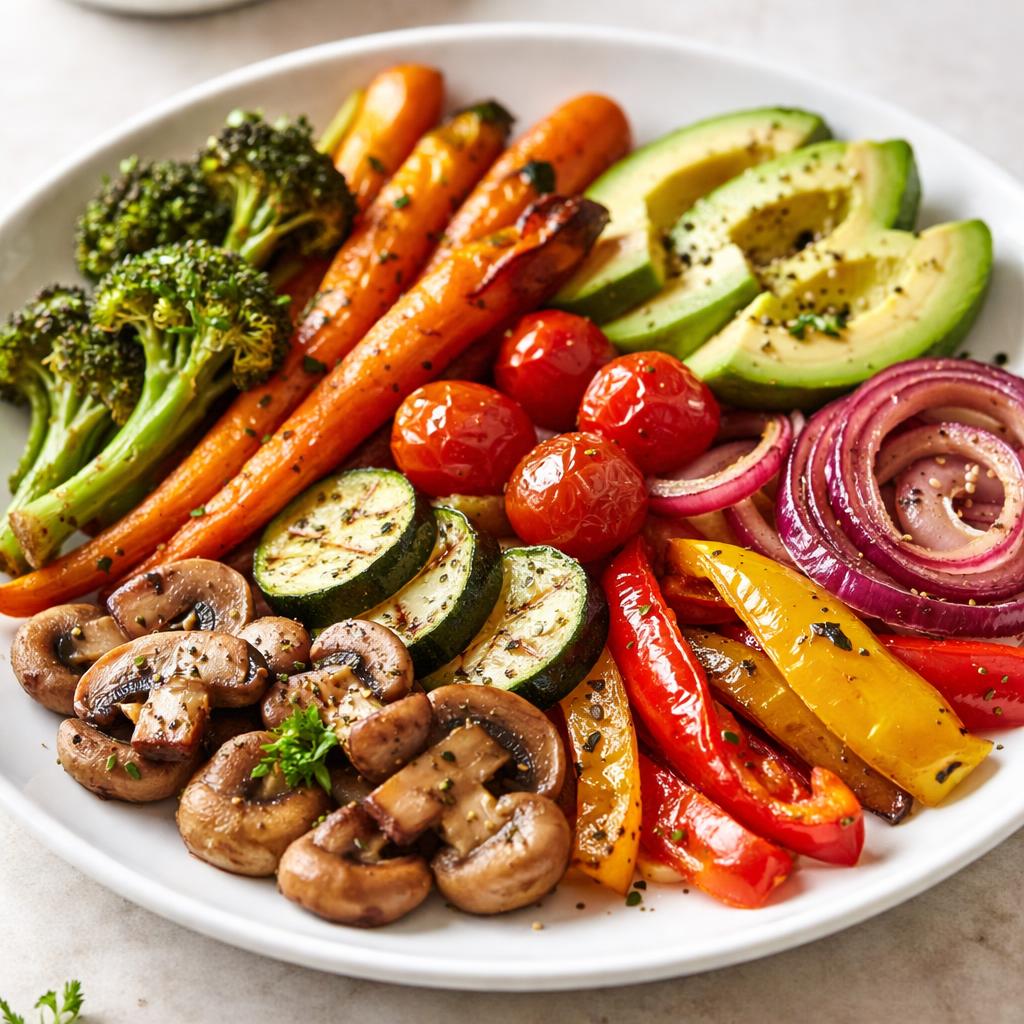
Veggies
🎯 Quick Verdict
Eggs and veggies are nutritionally distinct and complement each other in a balanced diet. Eggs are superior for protein and healthy fats, while vegetables excel in fiber, vitamins, and being lower in calories. Eggs are ideal for muscle-building or weight management, whereas vegetables provide diverse vitamins and minerals for overall health improvement.

Smart Nutrition Tracking with SnapCalorie

📊 Nutritional Comparison
Macronutrients
| Nutrient | Food 1 | Food 2 | Winner |
|---|---|---|---|
| Calories | 70 | 30 | ✓ |
| Protein | 6g | 2g (average) | ✓ |
| Carbs | 1g | 5g (average) | ✓ |
| Fat | 5g | 0g | ✓ |
| Fiber | 0g | 3g (average) | ✓ |
Vitamins & Minerals
| Nutrient | Food 1 | Food 2 | Winner |
|---|---|---|---|
| Vitamin D | 1.1mcg | 0mcg | ✓ |
| Vitamin A | 70mcg | 500mcg (average) | ✓ |
| Vitamin C | 0mg | 30mg (average) | ✓ |
| Calcium | 28mg | 45mg (average) | ✓ |
| Iron | 0.9mg | 1.2mg (average) | ✓ |
🏆 Category Winners
Protein
Eggs contain 6g of high-quality, complete protein per serving, triple the average amount found in vegetables.
Fiber
Vegetables are rich in dietary fiber with approximately 3g per serving, whereas eggs contain none.
Calories
Vegetables are lower in calories, averaging 30 calories per serving compared to 70 calories in an egg.
Vitamins
Vegetables are a richer source of vitamins like Vitamin A, Vitamin C, and minerals such as calcium and iron.
🥗 Diet Compatibility
Keto
Food 1: Compatible
Food 2: Compatible
Eggs are inherently low-carb and high-fat, while vegetables complement keto diets with fiber and nutrients.
Vegan
Food 1: Not Compatible
Food 2: Compatible
Eggs are an animal-based food, whereas vegetables are plant-based and suitable for vegan diets.
Gluten Free
Food 1: Compatible
Food 2: Compatible
Neither eggs nor vegetables contain gluten, so both are safe for gluten-free diets.
Paleo
Food 1: Compatible
Food 2: Compatible
Eggs and vegetables align with paleo principles due to their natural and whole-food origins.
Low-Carb
Food 1: Compatible
Food 2: Intermediate Compatibility
Eggs are nearly carb-free, while some vegetables (e.g., leafy greens) are low-carb, but others (e.g., root vegetables) are higher in carbs.
💪 Health Benefits Comparison
Food 1 Benefits
- Rich in complete protein for muscle building and repair.
- Source of healthy fats, including Omega-3s in some varieties.
- Provides Vitamin D to support bone health and immunity.
Food 2 Benefits
- Contains dietary fiber for improved digestion and gut health.
- Rich in antioxidants, which combat oxidative stress.
- High in Vitamin C to support immune function and skin health.
- Provides essential minerals like calcium and iron for strong bones and energy production.
✅ The Bottom Line
Eggs and vegetables each offer unique nutritional benefits that make them excellent components of a healthy diet. Choose eggs for protein and healthy fats, ideal for muscle building or keto diets, while vegetables provide vitamins, fiber, and antioxidants, perfect for overall health or weight loss goals.
Choose Food 1 for: Muscle building, weight management, keto diets
Choose Food 2 for: Gut health, immune support, nutrient density


