Egg VS Vegetable Curry
A detailed nutritional comparison

Egg
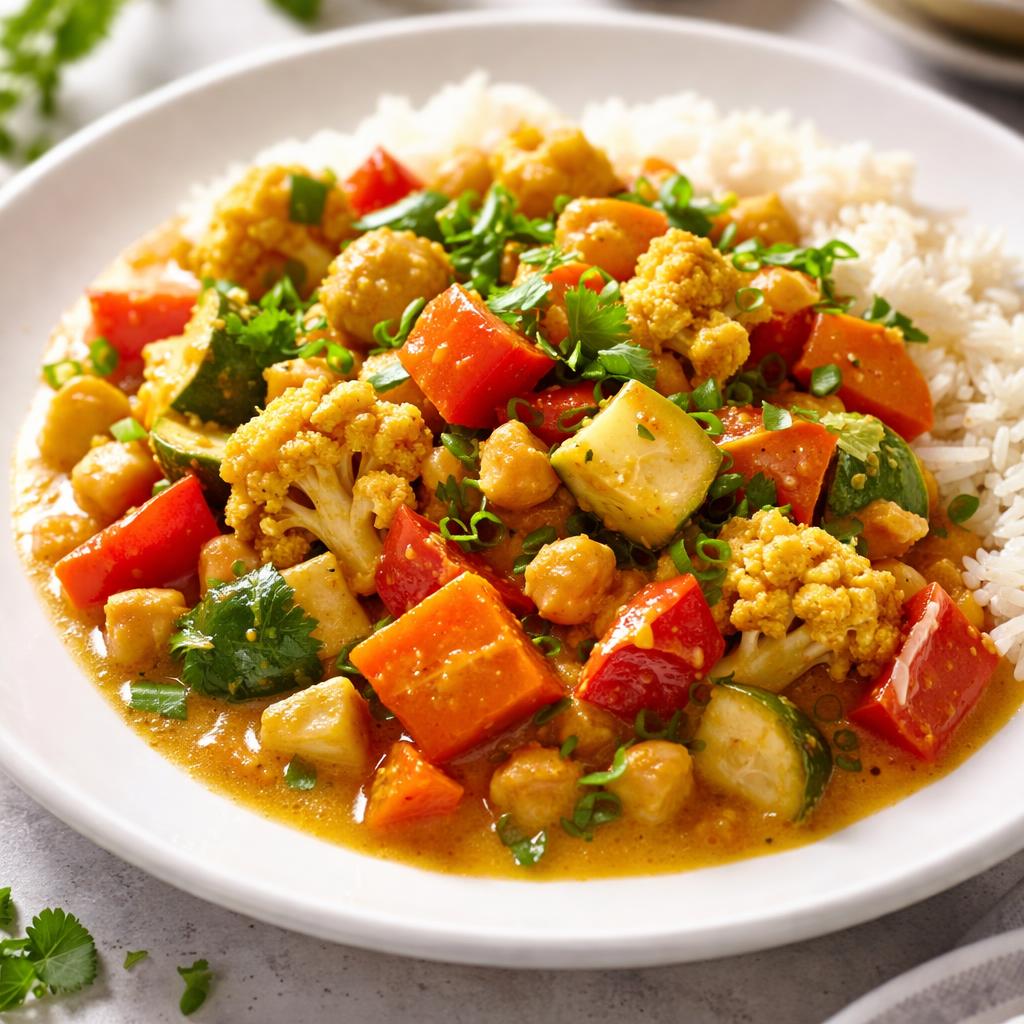
Vegetable Curry
🎯 Quick Verdict
Eggs are a protein-rich, calorie-efficient food ideal for muscle building and low-carb diets, while vegetable curry is a fiber-packed, nutrient-dense meal that provides antioxidants and diverse vitamins. Eggs are best for high-protein and quick low-calorie needs, while vegetable curry excels in balanced nutrition and heart health support.

Smart Nutrition Tracking with SnapCalorie

📊 Nutritional Comparison
Macronutrients
| Nutrient | Food 1 | Food 2 | Winner |
|---|---|---|---|
| Calories | 70 | 200 | ✓ |
| Protein | 6g | 3g | ✓ |
| Carbs | 0.6g | 25g | ✓ |
| Fat | 5g | 10g | ✓ |
| Fiber | 0g | 5g | ✓ |
Vitamins & Minerals
| Nutrient | Food 1 | Food 2 | Winner |
|---|---|---|---|
| Vitamin D | 1mcg | 0mcg | ✓ |
| Vitamin A | 75mcg | 400mcg | ✓ |
| Iron | 1mg | 2mg | ✓ |
| Calcium | 25mg | 100mg | ✓ |
🏆 Category Winners
Protein
An egg has double the protein compared to vegetable curry.
Fiber
Vegetable curry offers 5 grams of fiber per serving, while eggs contain none.
Calories
Eggs contain 65% fewer calories than vegetable curry.
Vitamins
Vegetable curry packs significantly more vitamins like Vitamin A and Calcium.
🥗 Diet Compatibility
Keto
Food 1: Compatible
Food 2: Not Compatible
Eggs are low-carb with only 0.6g carbs, whereas vegetable curry is carb-heavy (25g).
Vegan
Food 1: Not Compatible
Food 2: Compatible
Eggs are an animal product, while vegetable curry is plant-based.
Gluten Free
Food 1: Compatible
Food 2: Compatible
Neither food contains gluten in typical preparations.
Paleo
Food 1: Compatible
Food 2: Depends on preparation
Eggs fit paleo guidelines, but vegetable curry recipes may include non-paleo ingredients (like legumes or grains).
Low-Carb
Food 1: Compatible
Food 2: Not Compatible
Eggs are low-carb at under 1g carbs, while vegetable curry has 25g carbs per serving.
💪 Health Benefits Comparison
Food 1 Benefits
- High-quality protein for muscle growth and repair
- Provides essential amino acids for bodily functions
- Contains Vitamin D for bone health and immunity
- Supports weight loss due to low calorie density
Food 2 Benefits
- Rich in fiber for improved digestion
- Loaded with antioxidants for reducing inflammation
- High in heart-supporting nutrients like Vitamin A and potassium
- Contains diverse minerals for balanced nutrition
✅ The Bottom Line
Eggs are perfect for low-carb, high-protein diets and quick meals like breakfast or post-workout snacks, while vegetable curry excels in nutrient density for balanced meals with antioxidants and fiber. Choose eggs for weight loss and energy needs, and vegetable curry for sustained energy and general wellness.
Choose Food 1 for: Weight loss, high-protein diets, keto meals
Choose Food 2 for: Heart health, antioxidant-rich diets, fiber intake


