Egg VS Turkey Bacon
A detailed nutritional comparison

Egg
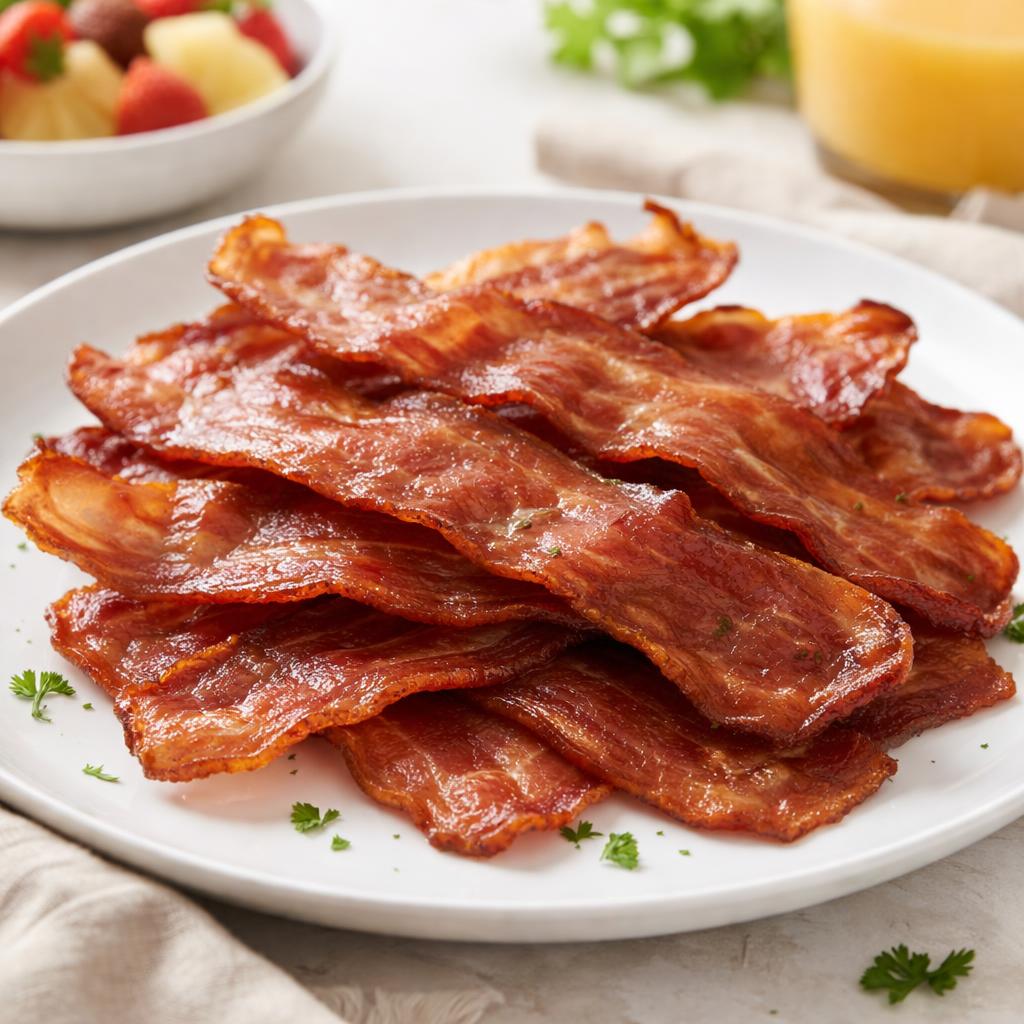
Turkey Bacon
🎯 Quick Verdict
Eggs and turkey bacon are both popular high-protein foods, but they differ in nutritional content. Eggs provide more protein and essential vitamins like vitamin D, while turkey bacon has slightly higher fat content and sodium. Eggs are versatile for a wide range of diets, while turkey bacon is often favored for its unique flavor and lower calorie alternative to pork bacon.

Smart Nutrition Tracking with SnapCalorie

📊 Nutritional Comparison
Macronutrients
| Nutrient | Food 1 | Food 2 | Winner |
|---|---|---|---|
| Calories | 70 | 70 | − |
| Protein | 6g | 5g | ✓ |
| Carbs | 0.6g | 0g | ✓ |
| Fat | 5g | 4.5g | ✓ |
| Fiber | 0g | 0g | − |
Vitamins & Minerals
| Nutrient | Food 1 | Food 2 | Winner |
|---|---|---|---|
| Vitamin D | 1 mcg | 0 mcg | ✓ |
| Calcium | 25mg | 35mg | ✓ |
| Iron | 0.9mg | 0.3mg | ✓ |
🏆 Category Winners
Protein
Egg provides 6g of protein, which is 20% more than turkey bacon.
Fiber
Neither egg nor turkey bacon contains dietary fiber.
Calories
Both foods have approximately 70 calories per serving.
Vitamins
Egg offers more vitamin D and iron compared to turkey bacon.
🥗 Diet Compatibility
Keto
Food 1: Compatible
Food 2: Compatible
Both are low-carb and fit into a ketogenic diet.
Vegan
Food 1: Not Compatible
Food 2: Not Compatible
Both foods are derived from animals.
Gluten Free
Food 1: Compatible
Food 2: Compatible
Neither egg nor turkey bacon contains gluten.
Paleo
Food 1: Compatible
Food 2: Compatible
Both align with paleo dietary principles.
Low-Carb
Food 1: Compatible
Food 2: Compatible
Both have negligible carbohydrate content.
💪 Health Benefits Comparison
Food 1 Benefits
- Rich in protein for muscle growth and repair
- Contains essential vitamins like vitamin D for bone health
- Good source of choline for brain function
Food 2 Benefits
- Lower in fat than traditional pork bacon
- Provides protein for maintaining muscle mass
- Contains minerals such as calcium for bone health
✅ The Bottom Line
Eggs provide a greater range of vitamins, particularly vitamin D and iron, and slightly more protein than turkey bacon. Turkey bacon is great for those seeking a lower-fat and flavorful alternative to pork bacon. Choose eggs for their versatility and nutrient density, or opt for turkey bacon for a tasty, lower-fat option in hearty breakfast dishes.
Choose Food 1 for: Versatility in cooking, overall nutrient density, bone and brain health
Choose Food 2 for: Flavorful breakfasts, reduced fat content, quick and easy meals


