Egg VS Tuna
A detailed nutritional comparison
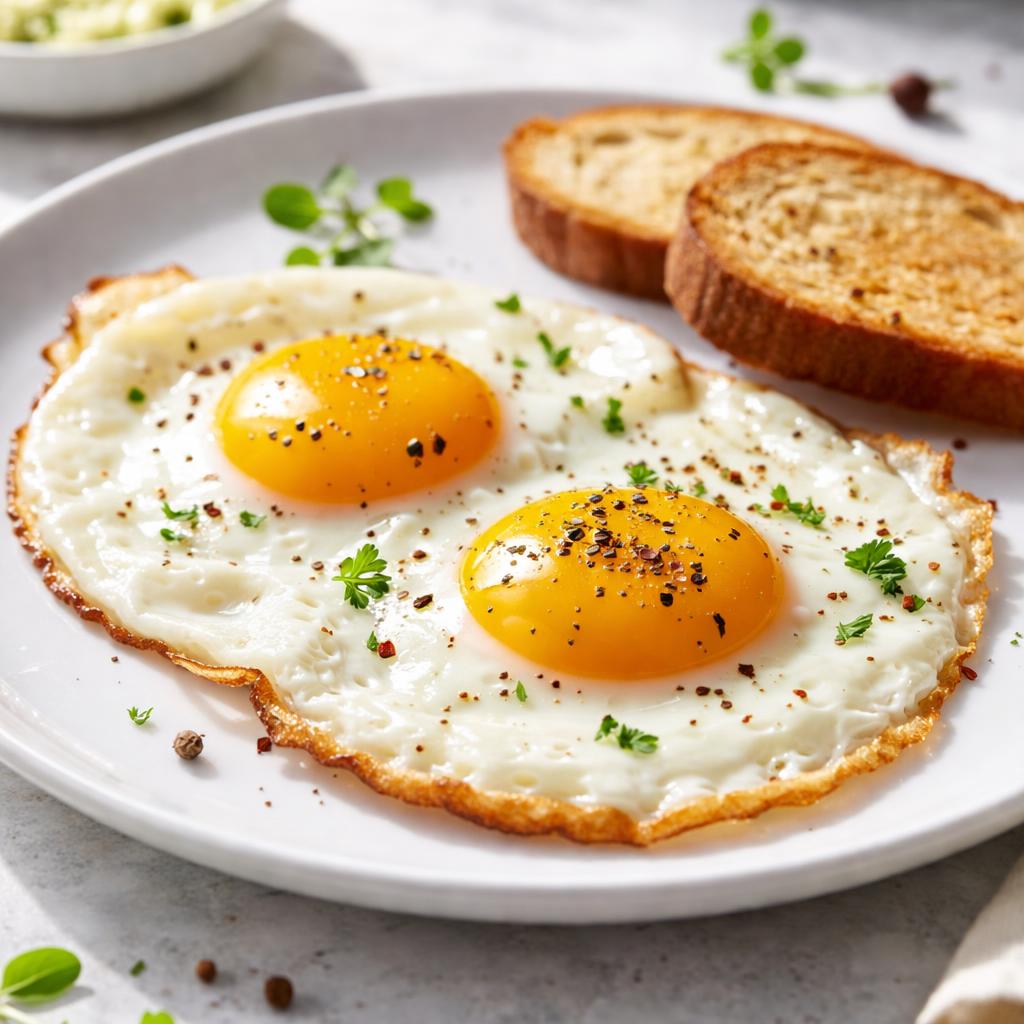
Egg
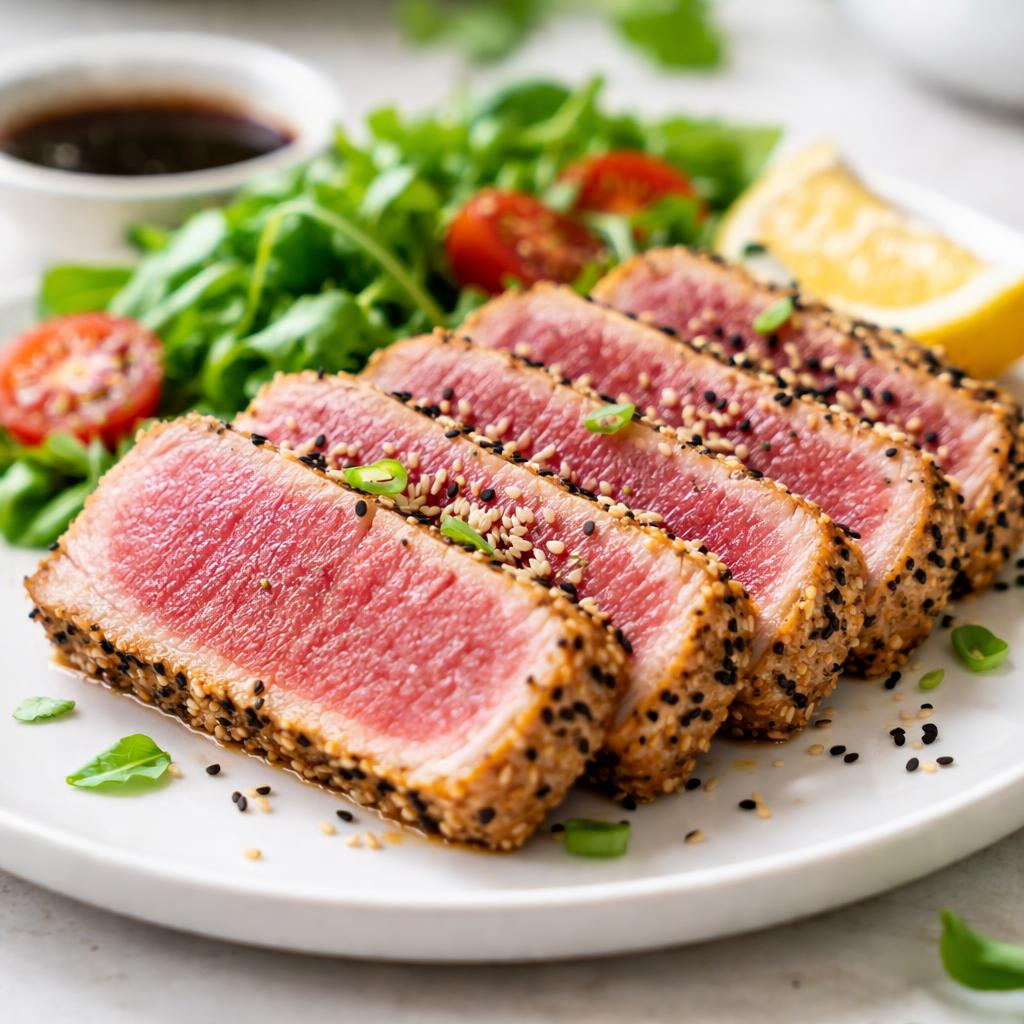
Tuna
🎯 Quick Verdict
Tuna stands out as a higher protein, lower calorie option compared to eggs, making it ideal for those prioritizing lean protein sources. Eggs, on the other hand, are nutrient-dense, providing essential vitamins such as choline and Vitamin D, and are better suited for a balanced, versatile meal option. Both are good choices depending on dietary goals.

Smart Nutrition Tracking with SnapCalorie

📊 Nutritional Comparison
Macronutrients
| Nutrient | Food 1 | Food 2 | Winner |
|---|---|---|---|
| Calories | 68 (1 large egg) | 105 (3 oz canned tuna) | ✓ |
| Protein | 6g (1 large egg) | 20g (3 oz canned tuna) | ✓ |
| Carbs | 0g | 0g | − |
| Fat | 5g | 1g | ✓ |
| Fiber | 0g | 0g | − |
Vitamins & Minerals
| Nutrient | Food 1 | Food 2 | Winner |
|---|---|---|---|
| Vitamin D | 1.1mcg | 2.3mcg | ✓ |
| Calcium | 25mg | 10mg | ✓ |
| Iron | 0.9mg | 0.8mg | ✓ |
| Vitamin B12 | 0.6mcg | 2.5mcg | ✓ |
🏆 Category Winners
Protein
Tuna provides over 3 times the protein per serving compared to eggs.
Fiber
Neither eggs nor tuna contain fiber.
Calories
Tuna provides fewer calories per gram despite its high protein content.
Vitamins
Tuna is richer in Vitamin D and Vitamin B12, making it more nutrient-dense for these specific vitamins.
🥗 Diet Compatibility
Keto
Food 1: Compatible
Food 2: Compatible
Both are naturally low-carb and high in protein.
Vegan
Food 1: Not Compatible
Food 2: Not Compatible
Neither food is plant-based.
Gluten Free
Food 1: Compatible
Food 2: Compatible
Both are naturally gluten-free.
Paleo
Food 1: Compatible
Food 2: Compatible
Both are whole foods fitting the paleo diet principles.
Low Carb
Food 1: Compatible
Food 2: Compatible
Both foods contain no carbohydrates.
💪 Health Benefits Comparison
Food 1 Benefits
- Good source of Vitamin D for bone health
- Rich in choline, supporting brain function
- Provides complete protein for muscle repair
- Versatile and easy to prepare in various meals
Food 2 Benefits
- Rich in lean protein ideal for muscle building
- Contains omega-3 fatty acids for heart and brain health
- High in Vitamin B12 for energy metabolism
- Low in fat and calories, supporting weight management
✅ The Bottom Line
Choose tuna for a lean protein-packed option with lower calories and additional omega-3s, ideal for weight management and heart health. Opt for eggs if you seek a nutrient-dense food rich in Vitamin D and choline, perfect for a balanced meal or snack.
Choose Food 1 for: Balanced breakfasts, nutrient-dense snacks, brain health
Choose Food 2 for: High protein diets, weight management, heart health


