Egg VS Stir-Fried Vegetables
A detailed nutritional comparison
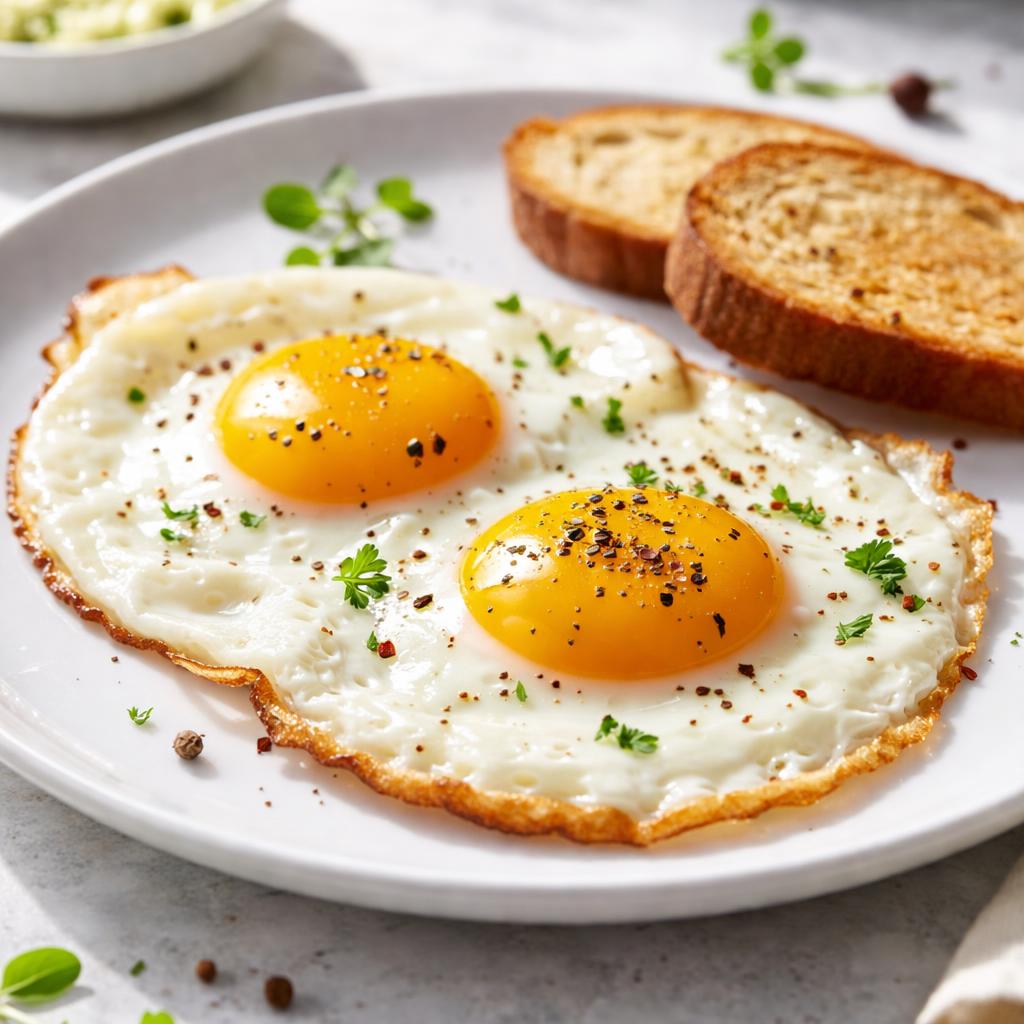
Egg
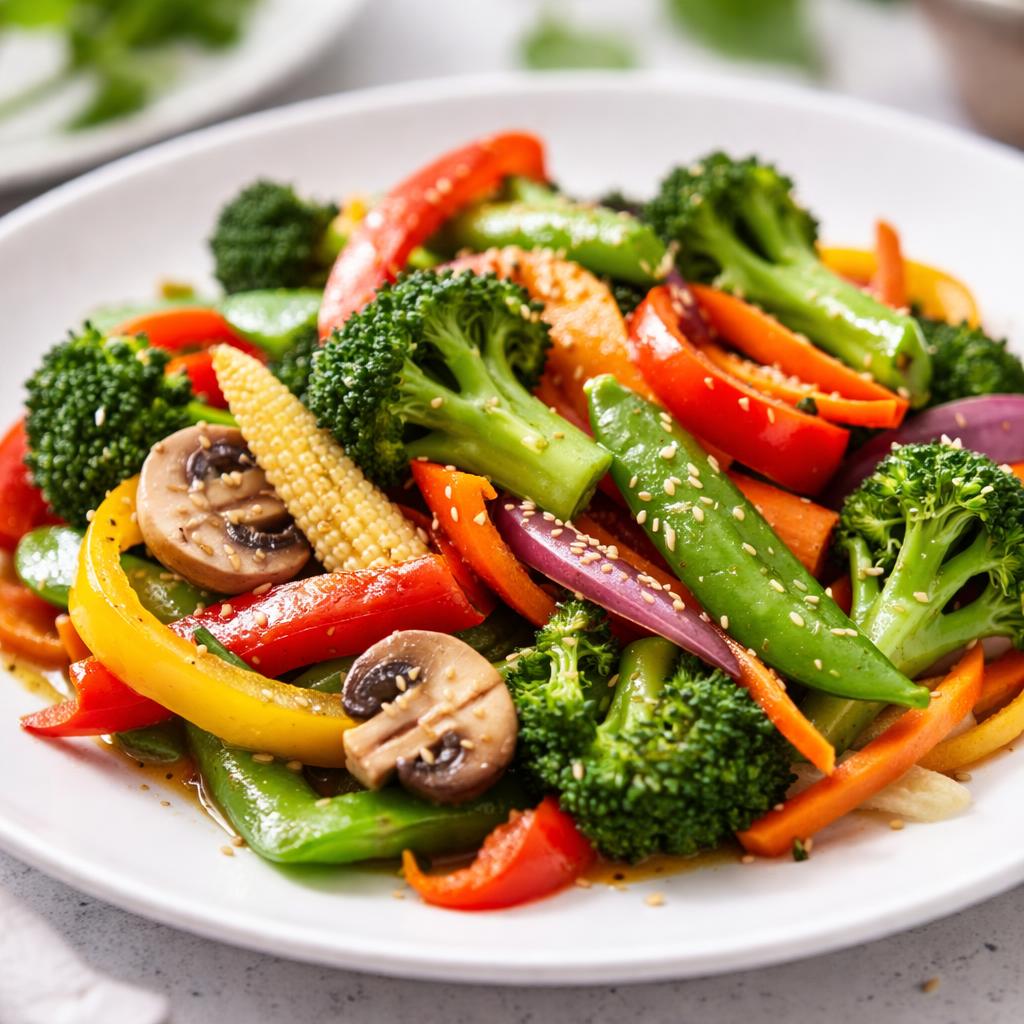
Stir-Fried Vegetables
🎯 Quick Verdict
Eggs are high in protein, essential vitamins (like B12), and healthy fats, making them ideal for muscle building and nutrient density. Stir-fried vegetables are low-calorie, fiber-rich, and packed with diverse antioxidants, making them great for gut and overall health. Both have distinct benefits depending on dietary goals—eggs excel in protein, while vegetables shine for fiber and micronutrient variety.

Smart Nutrition Tracking with SnapCalorie

📊 Nutritional Comparison
Macronutrients
| Nutrient | Food 1 | Food 2 | Winner |
|---|---|---|---|
| Calories | 68 | 50 | ✓ |
| Protein | 6g | 2g | ✓ |
| Carbs | 0.5g | 10g | ✓ |
| Fat | 5g | 2g | ✓ |
| Fiber | 0g | 3g | ✓ |
Vitamins & Minerals
| Nutrient | Food 1 | Food 2 | Winner |
|---|---|---|---|
| Vitamin D | 1.1mcg | 0mcg | ✓ |
| Vitamin B12 | 1mcg | 0mcg | ✓ |
| Vitamin C | 0mg | 40mg | ✓ |
| Iron | 0.9mg | 1.2mg | ✓ |
| Calcium | 25mg | 35mg | ✓ |
🏆 Category Winners
Protein
Eggs contain 3x more protein than stir-fried vegetables.
Fiber
Vegetables provide 3g of fiber, while eggs have none.
Calories
Vegetables are lower in calories per serving (50 vs 68).
Vitamins
Eggs excel in vitamin D and B12, while vegetables provide vitamin C and more calcium.
🥗 Diet Compatibility
Keto
Food 1: Compatible
Food 2: Compatible
Both are low-carb and suitable for keto diets.
Vegan
Food 1: Not Compatible
Food 2: Compatible
Eggs are animal-derived, while vegetables are plant-based.
Gluten Free
Food 1: Compatible
Food 2: Compatible
Neither contains gluten.
Paleo
Food 1: Compatible
Food 2: Compatible
Both align with Paleo principles.
Low Carb
Food 1: More Compatible
Food 2: Less Compatible
Eggs contain nearly zero carbs, while vegetables have moderate carbs.
💪 Health Benefits Comparison
Food 1 Benefits
- Rich in high-quality protein for muscle repair
- Excellent source of vitamin D for bone health
- Provides choline, supporting brain and liver function
- Contains essential B vitamins like B12 for energy and red blood cell formation
Food 2 Benefits
- High in dietary fiber, promoting healthy digestion
- Rich in antioxidants (e.g., vitamin C) that support immune function
- Low in calories, ideal for weight management
- Provides diverse vitamins and minerals for overall health
✅ The Bottom Line
Eggs are best for protein-rich diets, muscle building, and individuals who need nutrient-rich convenience foods. Stir-fried vegetables excel as a low-calorie, fiber-packed option for gut health, weight management, and boosting vitamin intake. They complement different dietary goals and are not directly interchangeable.
Choose Food 1 for: High-protein diets, weight loss, post-workout recovery
Choose Food 2 for: Gut health, weight management, general antioxidant support


