Egg VS Smoked Salmon
A detailed nutritional comparison

Egg
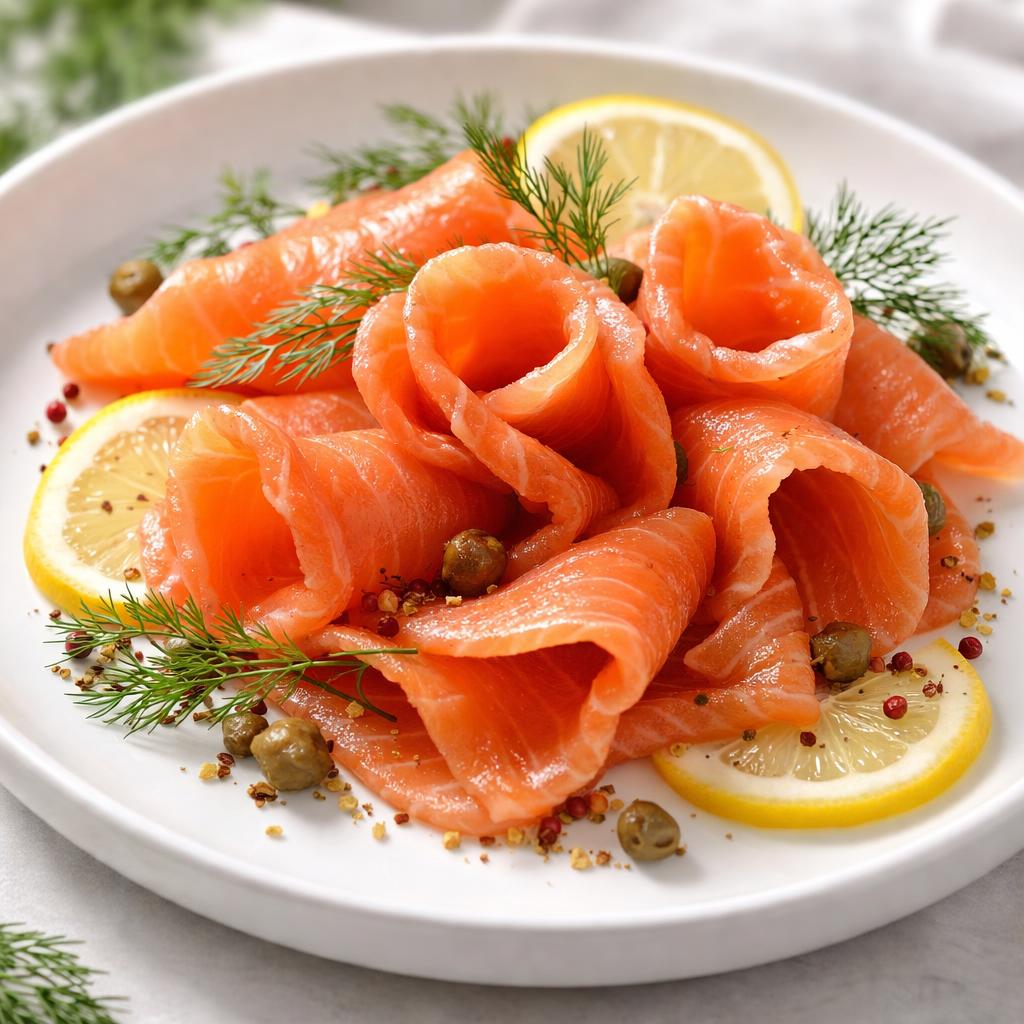
Smoked Salmon
🎯 Quick Verdict
Eggs and smoked salmon are both nutrient-dense foods, but they cater to different dietary goals. Smoked salmon excels in protein content and healthy fats, while eggs provide fewer calories and a good balance of vitamins and minerals. Eggs work well for low-calorie diets and versatile recipes, while smoked salmon is ideal for protein-packed meals or heart health-focused diets.

Smart Nutrition Tracking with SnapCalorie

📊 Nutritional Comparison
Macronutrients
| Nutrient | Food 1 | Food 2 | Winner |
|---|---|---|---|
| Calories | 155 per 100g | 117 per 100g | ✓ |
| Protein | 13g per 100g | 18g per 100g | ✓ |
| Carbs | 1.1g per 100g | 0g per 100g | ✓ |
| Fat | 11g per 100g | 4g per 100g | ✓ |
| Fiber | 0g per 100g | 0g per 100g | − |
Vitamins & Minerals
| Nutrient | Food 1 | Food 2 | Winner |
|---|---|---|---|
| Vitamin D | 2mcg per 100g | 7.5mcg per 100g | ✓ |
| Vitamin B12 | 1.1mcg per 100g | 3.9mcg per 100g | ✓ |
| Iron | 1.2mg per 100g | 0.7mg per 100g | ✓ |
| Calcium | 50mg per 100g | 20mg per 100g | ✓ |
🏆 Category Winners
Protein
Smoked salmon provides 38% more protein per 100g compared to eggs.
Fiber
Neither food contains dietary fiber.
Calories
Smoked salmon has 25% fewer calories per 100g than eggs.
Vitamins
Smoked salmon is richer in Vitamin D (275% more) and Vitamin B12 (250% more).
🥗 Diet Compatibility
Keto
Food 1: Compatible
Food 2: Compatible
Both are low-carb and fit perfectly into ketogenic diets.
Vegan
Food 1: Not Compatible
Food 2: Not Compatible
Both are animal-based foods.
Gluten Free
Food 1: Compatible
Food 2: Compatible
Neither contains gluten.
Paleo
Food 1: Compatible
Food 2: Compatible
Both are whole foods allowed in Paleo diets.
Low-Carb
Food 1: Compatible
Food 2: Compatible
Both are very low in carbohydrates (<1.1g per 100g).
💪 Health Benefits Comparison
Food 1 Benefits
- Provides choline, which supports brain health
- Contains high-quality protein for muscle repair
- Rich in healthy fats and omega-3s for overall well-being
- Good source of Vitamin A for eye health
Food 2 Benefits
- Rich in omega-3 fatty acids for heart health
- High in Vitamin D to support bone health and immunity
- Excellent source of Vitamin B12 for energy production
- Low-calorie protein source for weight management
✅ The Bottom Line
Eggs are a versatile and affordable source of protein, ideal for low-calorie and balanced diets, while smoked salmon provides premium protein and omega-3s for heart and overall health. Choose eggs for ease of use and everyday meals; select smoked salmon for a nutrient-rich treat or protein boost.
Choose Food 1 for: Budget-friendly meals, low-calorie diets, versatile cooking
Choose Food 2 for: Omega-3 fatty acids, heart health, high-protein meals


