Egg VS Roti
A detailed nutritional comparison

Egg
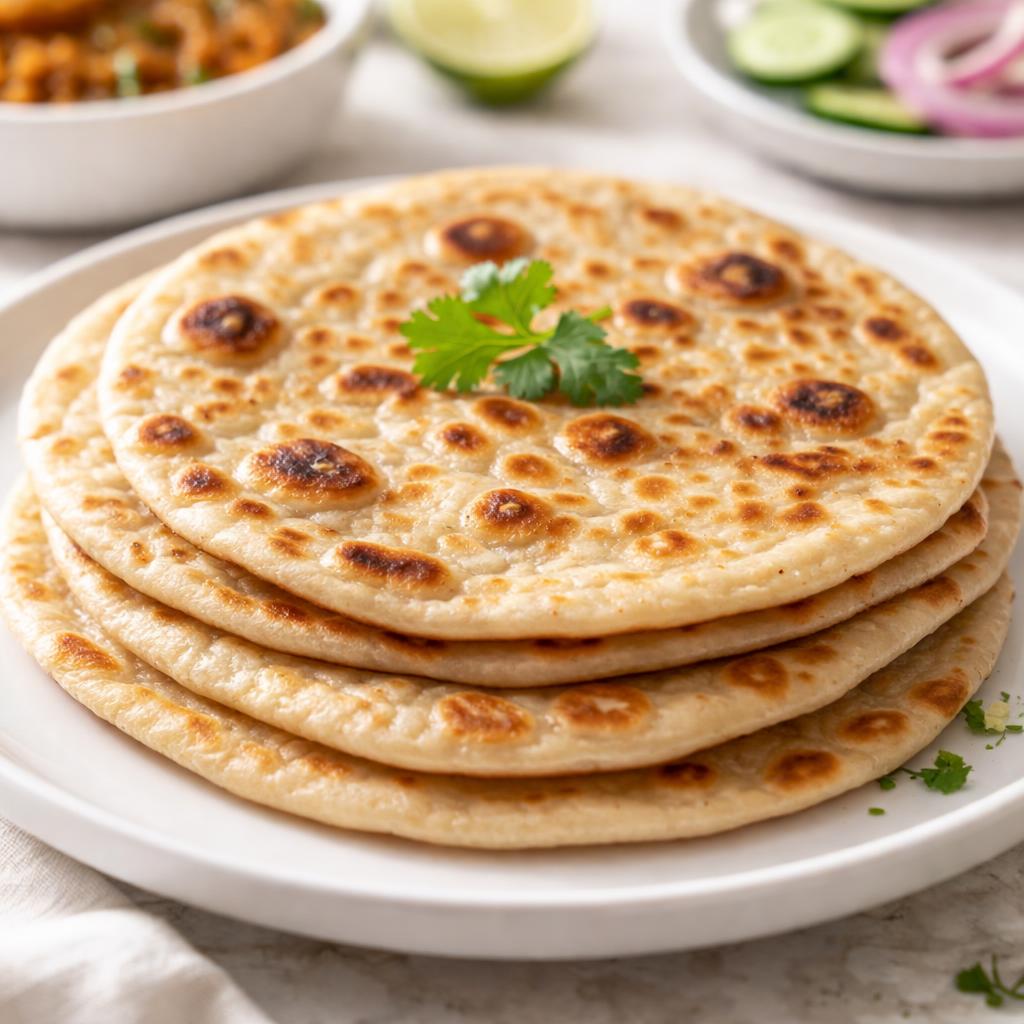
Roti
🎯 Quick Verdict
Eggs are protein-rich, nutrient-dense, and low-carb, making them ideal for muscle maintenance and weight loss plans. Roti, on the other hand, provides more calories and fiber, offering sustained energy and support for digestion. Eggs are more versatile for nutrient optimization, while rotis are great as a carbohydrate base for meals.

Smart Nutrition Tracking with SnapCalorie

📊 Nutritional Comparison
Macronutrients
| Nutrient | Food 1 | Food 2 | Winner |
|---|---|---|---|
| Calories | 68 per egg (50g) | 120 per roti (60g) | ✓ |
| Protein | 6.3g per egg | 2.7g per roti | ✓ |
| Carbs | 0.6g per egg | 25g per roti | ✓ |
| Fat | 4.8g per egg | 1g per roti | ✓ |
| Fiber | 0g per egg | 4g per roti | ✓ |
Vitamins & Minerals
| Nutrient | Food 1 | Food 2 | Winner |
|---|---|---|---|
| Vitamin D | 1mcg per egg | 0mcg per roti | ✓ |
| Calcium | 25mg per egg | 8mg per roti | ✓ |
| Iron | 0.9mg per egg | 1.6mg per roti | ✓ |
🏆 Category Winners
Protein
Eggs contain a very high protein content compared to rotis.
Fiber
Roti provides dietary fiber, while eggs contain none.
Calories
Eggs are lower in calories per serving.
🥗 Diet Compatibility
Keto
Food 1: Compatible
Food 2: Not Compatible
Eggs are low-carb, while rotis are high-carb.
Vegan
Food 1: Not Compatible
Food 2: Compatible
Eggs are animal-derived; rotis are plant-based.
Gluten Free
Food 1: Compatible
Food 2: Not Compatible
Eggs naturally contain no gluten, but rotis are made with wheat.
Paleo
Food 1: Compatible
Food 2: Not Compatible
Eggs align with paleo principles; rotis do not due to grains.
Low-Carb
Food 1: Compatible
Food 2: Not Compatible
Eggs are very low in carbohydrates, roti is not.
💪 Health Benefits Comparison
Food 1 Benefits
- Rich in high-quality protein for muscle building and repair
- Good source of choline for brain health
- Contains Vitamin D for bone health and immune support
- Low-carb, making it ideal for weight loss and keto diets
Food 2 Benefits
- High in fiber, promoting digestive health
- Contains slow-digesting carbs for sustained energy
- Rich in iron, important for oxygen transport in the body
- Provides essential B vitamins for energy metabolism
✅ The Bottom Line
Choose eggs if you are focusing on protein intake, low-carb diets, or muscle building. Opt for roti if you need fiber, slow-burning carbohydrates, or energy for physical activity. Both have unique advantages based on dietary preferences and goals.
Choose Food 1 for: Low-carb diets, high-protein needs, breakfast or quick snacks
Choose Food 2 for: Traditional meals, high-energy needs, vegetarian diets


