Egg VS Roast Chicken Leg
A detailed nutritional comparison

Egg
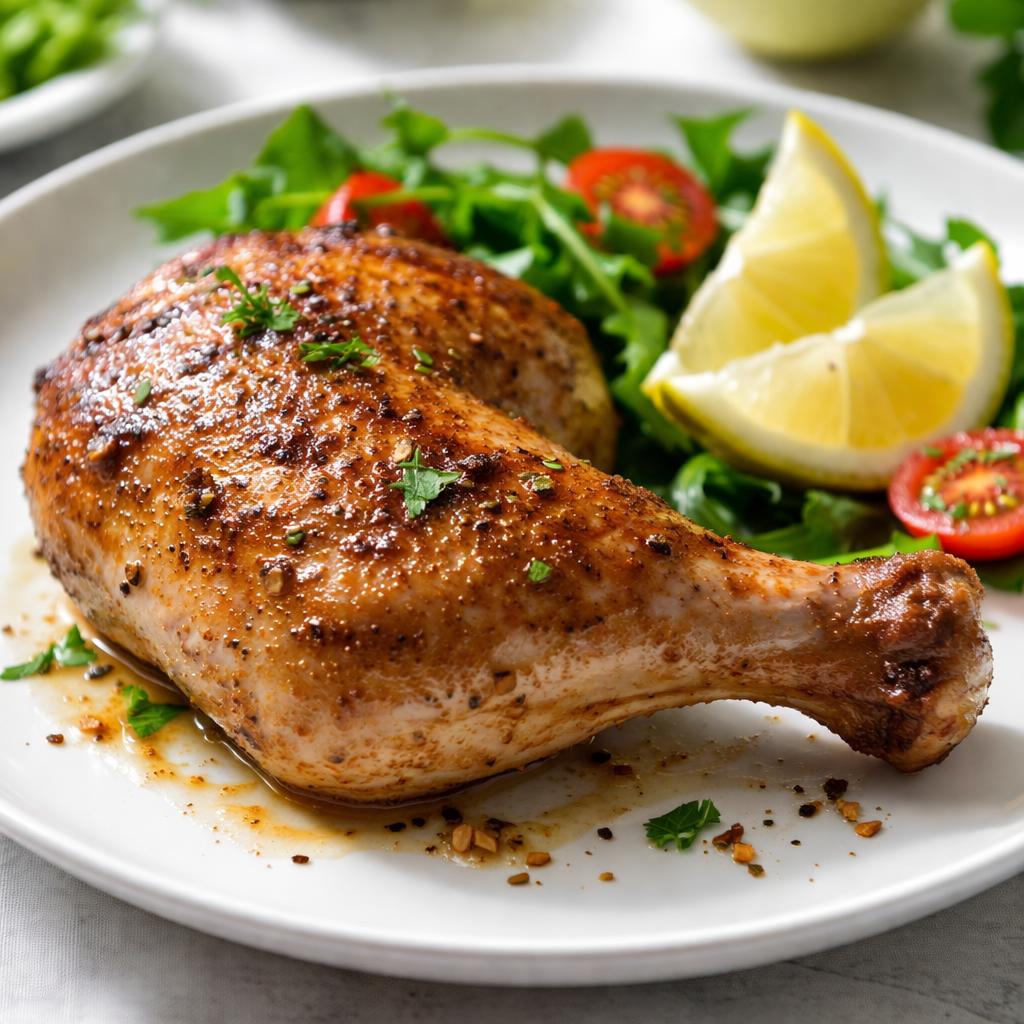
Roast Chicken Leg
🎯 Quick Verdict
Roast chicken leg offers significantly more protein than eggs, making it ideal for muscle building and recovery. Eggs, however, are lower in calories and fat, while providing a better source of key vitamins like Vitamin D and choline. Both foods are excellent for low-carb and high-protein diets, but eggs are more versatile for quick meals or snacks.

Smart Nutrition Tracking with SnapCalorie

📊 Nutritional Comparison
Macronutrients
| Nutrient | Food 1 | Food 2 | Winner |
|---|---|---|---|
| Calories | 70 | 240 | ✓ |
| Protein | 6g | 27g | ✓ |
| Carbs | 0.6g | 0g | ✓ |
| Fat | 5g | 13g | ✓ |
| Fiber | 0g | 0g | − |
Vitamins & Minerals
| Nutrient | Food 1 | Food 2 | Winner |
|---|---|---|---|
| Vitamin D | 1mcg | 0.4mcg | ✓ |
| Calcium | 25mg | 15mg | ✓ |
| Iron | 1mg | 0.7mg | ✓ |
| Zinc | 0.6mg | 2.4mg | ✓ |
| Vitamin B12 | 1mcg | 0.4mcg | ✓ |
🏆 Category Winners
Protein
Roast chicken leg contains nearly 4.5 times more protein per serving than an egg.
Fiber
Neither food contains dietary fiber.
Calories
Eggs have significantly lower calories, making them better for calorie-controlled diets.
Vitamins
Eggs are richer in key vitamins such as Vitamin D, Calcium, and B12.
🥗 Diet Compatibility
Keto
Food 1: Compatible
Food 2: Compatible
Both foods are very low in carbohydrates.
Vegan
Food 1: Not Compatible
Food 2: Not Compatible
Neither food is plant-based.
Gluten Free
Food 1: Compatible
Food 2: Compatible
Neither food contains gluten.
Paleo
Food 1: Compatible
Food 2: Compatible
Both foods align with paleo diet principles.
Low Carb
Food 1: Compatible
Food 2: Compatible
Both foods are suitable for low-carb diets with less than 1g of carb per serving.
💪 Health Benefits Comparison
Food 1 Benefits
- Rich in Vitamin D, supporting bone health.
- Excellent source of choline, crucial for brain health.
- Provides high-quality protein for muscle repair.
- Low-calorie option for weight management.
Food 2 Benefits
- Packed with protein, ideal for muscle building and satiety.
- Provides zinc, important for immunity and skin health.
- Contains healthy fats to support heart health.
- Iron-rich, helping prevent anemia and fatigue.
✅ The Bottom Line
Eggs are highly versatile and better suited for low-calorie diets or quick meals, offering valuable vitamins and moderate protein. Roast chicken leg, however, is a powerhouse for protein, ideal for muscle building and satiating meals, but comes with higher calories and fat.
Choose Food 1 for: Weight management, quick snacks, bone health, brain health.
Choose Food 2 for: Muscle-building, recovery after exercise, hearty meals, immune support.


