Egg VS Red Onions
A detailed nutritional comparison

Egg
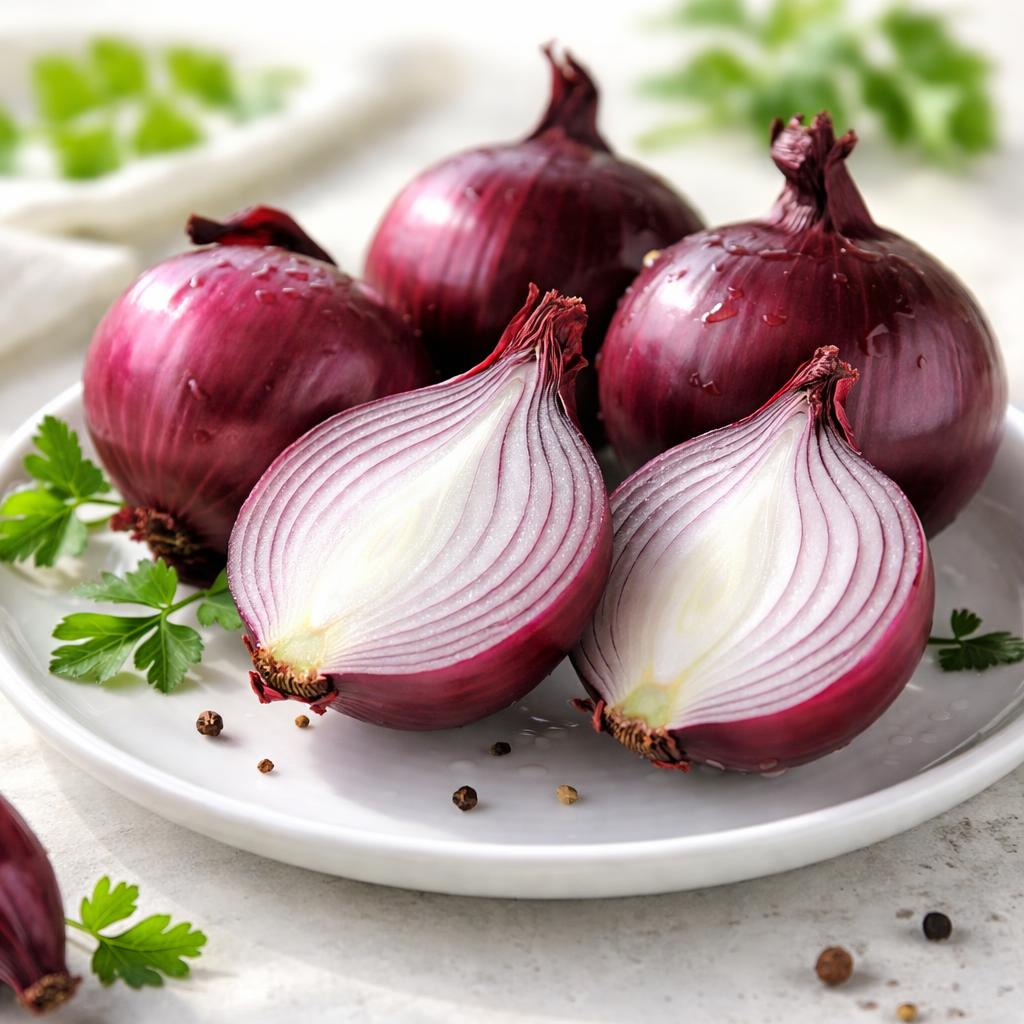
Red Onions
🎯 Quick Verdict
Eggs and red onions offer different nutritional benefits based on your dietary goals. Eggs are rich in protein, healthy fats, and essential vitamins like B12, making them ideal for muscle maintenance and energy. Red onions, on the other hand, are low in calories, high in fiber, and packed with antioxidants that support heart health and immunity. Both foods complement each other in varied dietary contexts.

Smart Nutrition Tracking with SnapCalorie

📊 Nutritional Comparison
Macronutrients
| Nutrient | Food 1 | Food 2 | Winner |
|---|---|---|---|
| Calories | 70 | 40 | ✓ |
| Protein | 6g | 1g | ✓ |
| Carbs | 1g | 9g | ✓ |
| Fat | 5g | 0g | ✓ |
| Fiber | 0g | 1.5g | ✓ |
Vitamins & Minerals
| Nutrient | Food 1 | Food 2 | Winner |
|---|---|---|---|
| Vitamin D | 1mcg | 0mcg | ✓ |
| Vitamin C | 0mg | 7mg | ✓ |
| Vitamin B12 | 0.6mcg | 0mcg | ✓ |
| Folate | 22mcg | 19mcg | ✓ |
| Potassium | 69mg | 160mg | ✓ |
🏆 Category Winners
Protein
Eggs contain 6g of protein per serving compared to only 1g in red onions.
Fiber
Red onions have 1.5g of fiber, whereas eggs have no dietary fiber.
Calories
Red onions have fewer calories (40 per serving) compared to eggs (70 per serving).
Vitamins
Eggs excel in Vitamin D and B12, while red onions offer more Vitamin C and potassium.
🥗 Diet Compatibility
Keto
Food 1: Compatible
Food 2: Not Compatible
Eggs are high in healthy fats and low in carbs, while red onions have too many carbs for strict keto.
Vegan
Food 1: Not Compatible
Food 2: Compatible
Eggs are animal-based, whereas red onions are plant-based.
Gluten Free
Food 1: Compatible
Food 2: Compatible
Both foods are naturally gluten-free.
Paleo
Food 1: Compatible
Food 2: Compatible
Eggs fit paleo as a nutrient-dense animal product, while red onions are also allowed as a natural vegetable.
Low-Carb
Food 1: Compatible
Food 2: Not Compatible
Eggs are significantly lower in carbohydrates (1g per serving) than red onions (9g per serving).
💪 Health Benefits Comparison
Food 1 Benefits
- Rich in protein for maintaining muscle and tissue repair.
- Contains healthy fats for energy and brain function.
- Provides Vitamin B12 to support nervous system health.
- Offers Vitamin D for strong bones and immune support.
Food 2 Benefits
- High in antioxidants that combat inflammation.
- Good source of fiber for improved digestion.
- Contains Vitamin C to boost immunity and skin health.
- Rich in potassium for heart health and regulating blood pressure.
✅ The Bottom Line
Eggs are ideal for those seeking high protein and healthy fats, particularly in low-carb or keto-friendly diets. Red onions are perfect for adding fiber, antioxidants, and flavor to vegan meals or heart-healthy dishes. They cater to distinct dietary needs and can complement each other nutritionally.
Choose Food 1 for: High-protein diets, keto meals, breakfast options, post-workout recovery
Choose Food 2 for: Heart health, vegan diets, side dishes, flavor-enhancing cooking


