Egg VS Pork
A detailed nutritional comparison
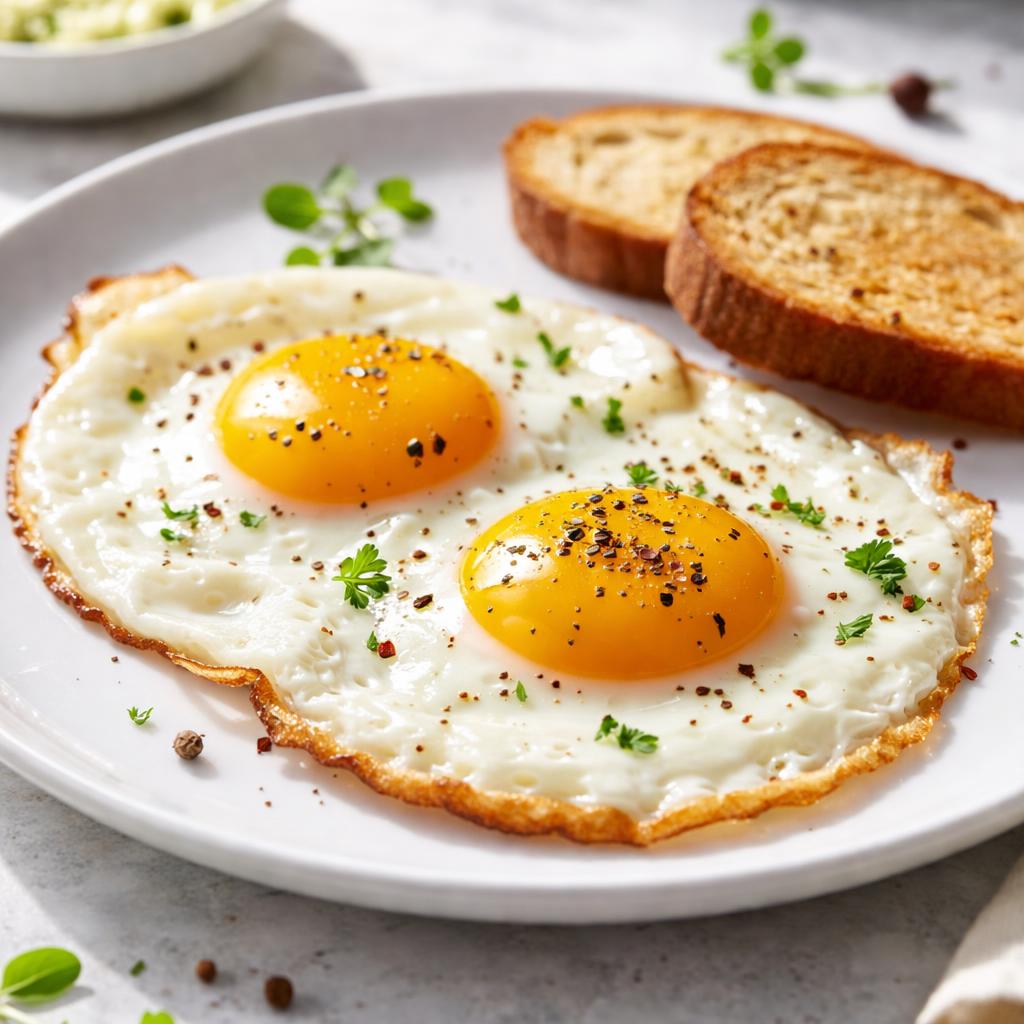
Egg
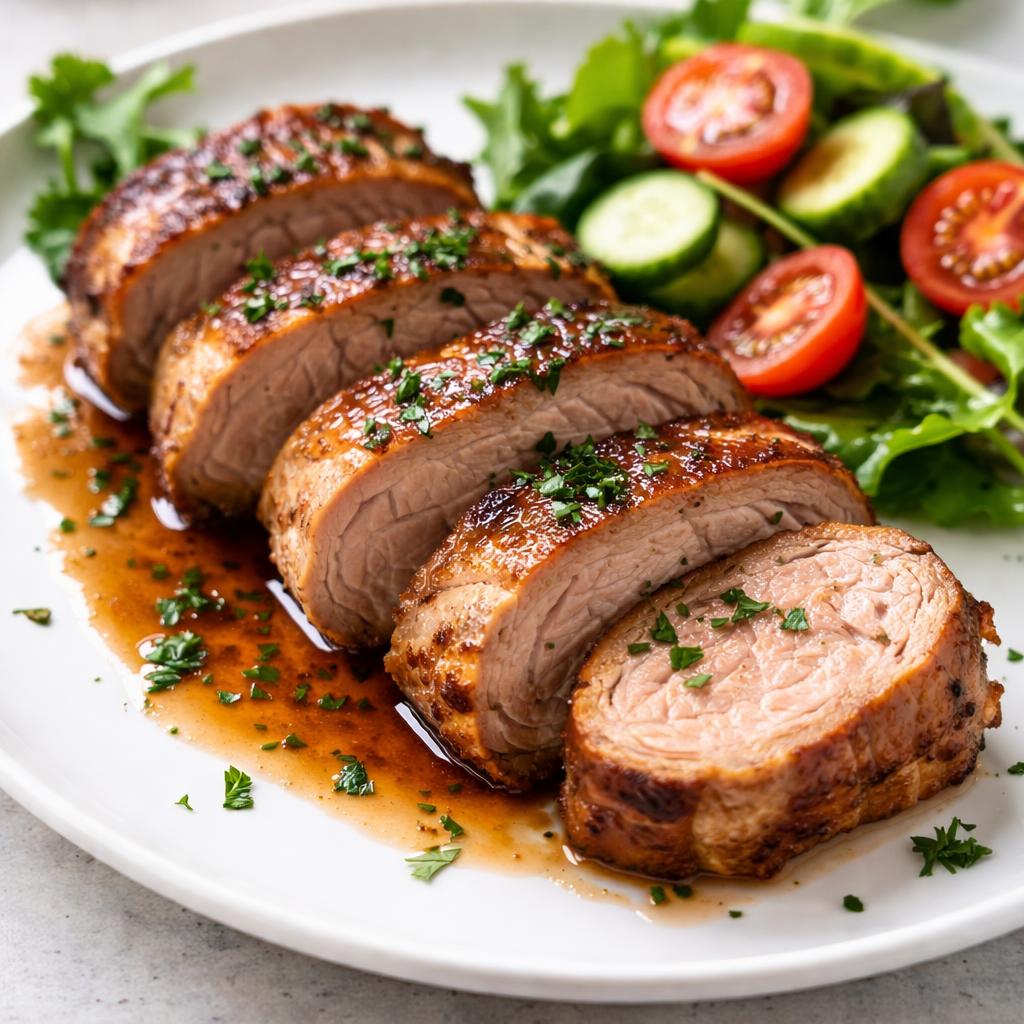
Pork
🎯 Quick Verdict
Eggs are lower in calories and fat while offering moderate protein, making them ideal for weight-conscious diets. Pork is higher in protein and richer in key minerals like iron, making it excellent for muscle growth and energy. Choose eggs for lean protein and versatility; opt for pork for nutrient density and satiety in larger portions.

Smart Nutrition Tracking with SnapCalorie

📊 Nutritional Comparison
Macronutrients
| Nutrient | Food 1 | Food 2 | Winner |
|---|---|---|---|
| Calories | 70 | 242 | ✓ |
| Protein | 6g | 22g | ✓ |
| Carbs | 0.6g | 0g | ✓ |
| Fat | 5g | 13g | ✓ |
| Fiber | 0g | 0g | − |
Vitamins & Minerals
| Nutrient | Food 1 | Food 2 | Winner |
|---|---|---|---|
| Vitamin D | 1.1mcg | 0.5mcg | ✓ |
| Calcium | 25mg | 15mg | ✓ |
| Iron | 0.9mg | 2.7mg | ✓ |
| Vitamin B12 | 0.6mcg | 0.8mcg | ✓ |
| Potassium | 69mg | 423mg | ✓ |
🏆 Category Winners
Protein
Pork contains nearly 4x more protein compared to eggs per serving.
Fiber
Both foods contain no fiber.
Calories
Eggs have significantly fewer calories, ideal for weight management.
Vitamins
Eggs have higher Vitamin D and Calcium content, which are essential for bone health.
🥗 Diet Compatibility
Keto
Food 1: Compatible
Food 2: Compatible
Both are low-carb and high-fat foods, suitable for keto diets.
Vegan
Food 1: Not Compatible
Food 2: Not Compatible
Neither food is plant-based.
Gluten Free
Food 1: Compatible
Food 2: Compatible
Both foods are free of gluten.
Paleo
Food 1: Compatible
Food 2: Compatible
Both align with typical paleo diet standards.
Low-Carb
Food 1: Compatible
Food 2: Compatible
Both are very low in carbohydrates, meeting low-carb dietary needs.
💪 Health Benefits Comparison
Food 1 Benefits
- Rich in Vitamin D, supporting bone health and immune function
- Provides high-quality protein for muscle maintenance
- Low-calorie option beneficial for weight control
- Contains choline, enhancing brain health and cognition
Food 2 Benefits
- Excellent source of protein for muscle growth and repair
- Rich in iron, essential for energy and oxygen transport
- Contains healthy fats that support heart and brain health
- Packed with minerals like potassium, aiding muscle function and fluid balance
✅ The Bottom Line
Eggs are a lean, versatile, low-calorie option great for weight loss and adding quick nutrition to meals. Pork, on the other hand, is a protein powerhouse with more minerals, ideal for energy and muscle building. Choose eggs for lighter meals or snacks; pick pork for nutrient density and satiety.
Choose Food 1 for: Weight loss, quick protein snacks, bone health
Choose Food 2 for: Muscle building, iron-rich diets, sustained energy


