Egg VS Poached Egg
A detailed nutritional comparison
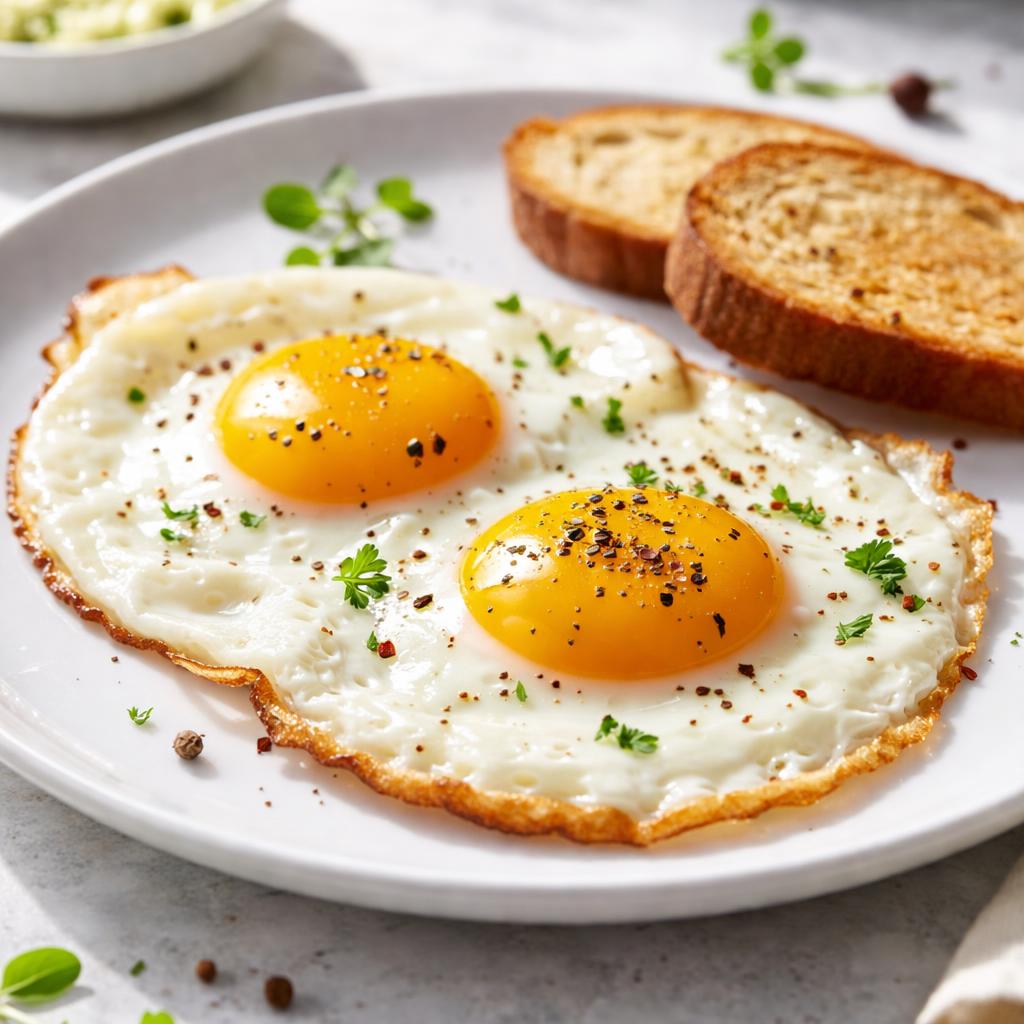
Egg
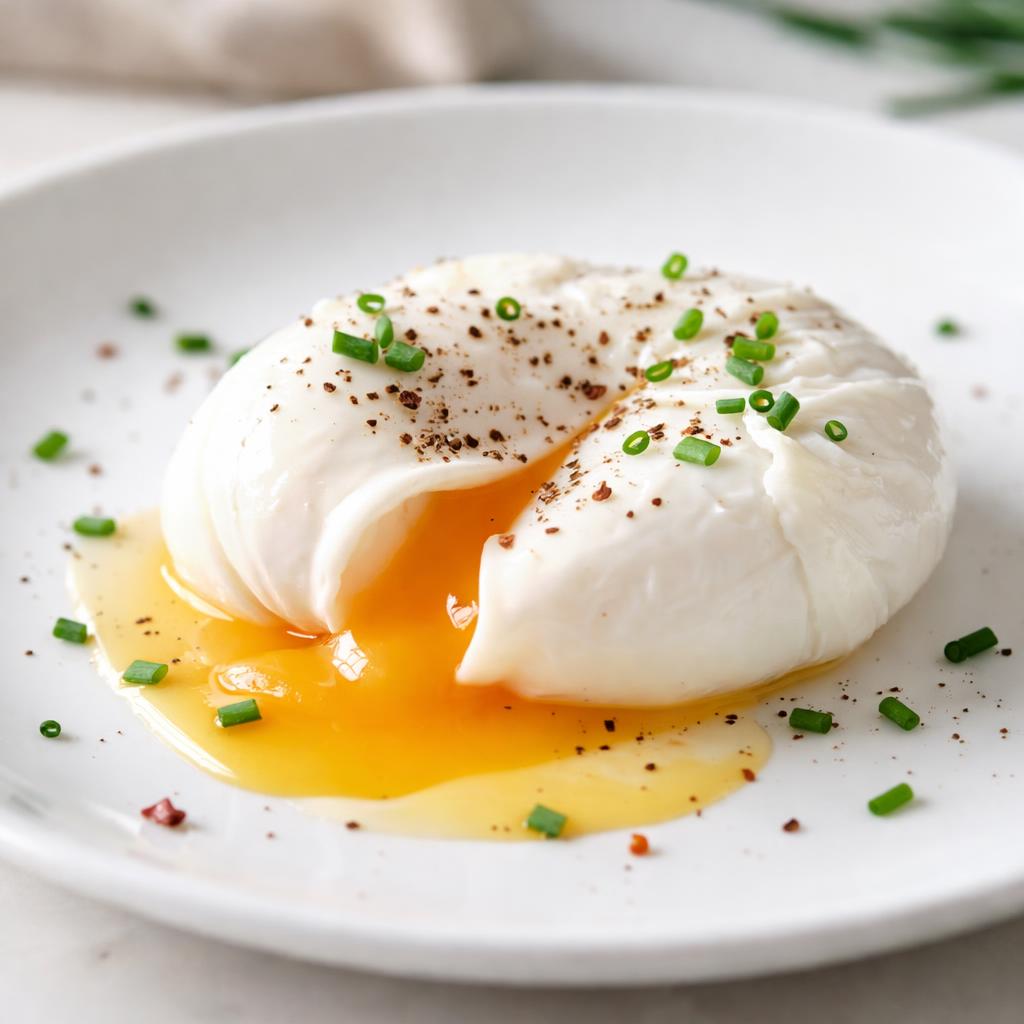
Poached Egg
🎯 Quick Verdict
Both food1 (egg) and food2 (poached egg) are nearly identical in nutritional composition, as the cooking method for food2 does not alter the macros or micronutrients significantly. Poached eggs, however, ensure minimal added calories or fats when compared to eggs cooked with oil or butter. Both are excellent sources of protein and micronutrients like vitamin D and choline.

Smart Nutrition Tracking with SnapCalorie

📊 Nutritional Comparison
Macronutrients
| Nutrient | Food 1 | Food 2 | Winner |
|---|---|---|---|
| Calories | 70 | 70 | − |
| Protein | 6g | 6g | − |
| Carbs | 0.6g | 0.6g | − |
| Fat | 5g | 5g | − |
| Fiber | 0g | 0g | − |
Vitamins & Minerals
| Nutrient | Food 1 | Food 2 | Winner |
|---|---|---|---|
| Vitamin D | 44 IU | 44 IU | − |
| Choline | 147mg | 147mg | − |
| Iron | 0.9mg | 0.9mg | − |
🏆 Category Winners
Protein
Both have the same amount of protein per serving (6g).
Fiber
Neither contains dietary fiber.
Calories
Both contain 70 calories per serving.
Vitamins
Micronutrient levels like vitamin D and choline are identical.
🥗 Diet Compatibility
Keto
Food 1: Compatible
Food 2: Compatible
Both are low-carb and high-fat.
Vegan
Food 1: Not Compatible
Food 2: Not Compatible
Eggs are animal-based.
Gluten Free
Food 1: Compatible
Food 2: Compatible
Eggs naturally contain no gluten.
Paleo
Food 1: Compatible
Food 2: Compatible
Eggs are allowed on a Paleo diet.
Low-Carb
Food 1: Compatible
Food 2: Compatible
Both are low in carbohydrates.
💪 Health Benefits Comparison
Food 1 Benefits
- Provides high-quality protein for muscle maintenance.
- Excellent source of choline for brain health and development.
- Contains vitamin D, which supports immune health and bone strength.
- Rich in antioxidants like lutein and zeaxanthin for eye health.
Food 2 Benefits
- Delivers the same high-quality protein without added fats from cooking oils.
- Rich in choline, promoting brain function and cellular health.
- Supports immune health with vitamin D and other micronutrients.
- Low-calorie, versatile option for controlled diets.
✅ The Bottom Line
Both egg and poached egg are nutritionally identical, with the main difference being the cooking method. Poached eggs are ideal if you want to avoid added fats from cooking, while whole eggs are versatile and adaptable to various recipes. Both are excellent choices for a protein-rich, nutrient-dense meal.
Choose Food 1 for: General cooking, baking, versatile meals, protein boosts.
Choose Food 2 for: Low-calorie meals, clean eating, weight management.


