Egg VS Minced Meat
A detailed nutritional comparison
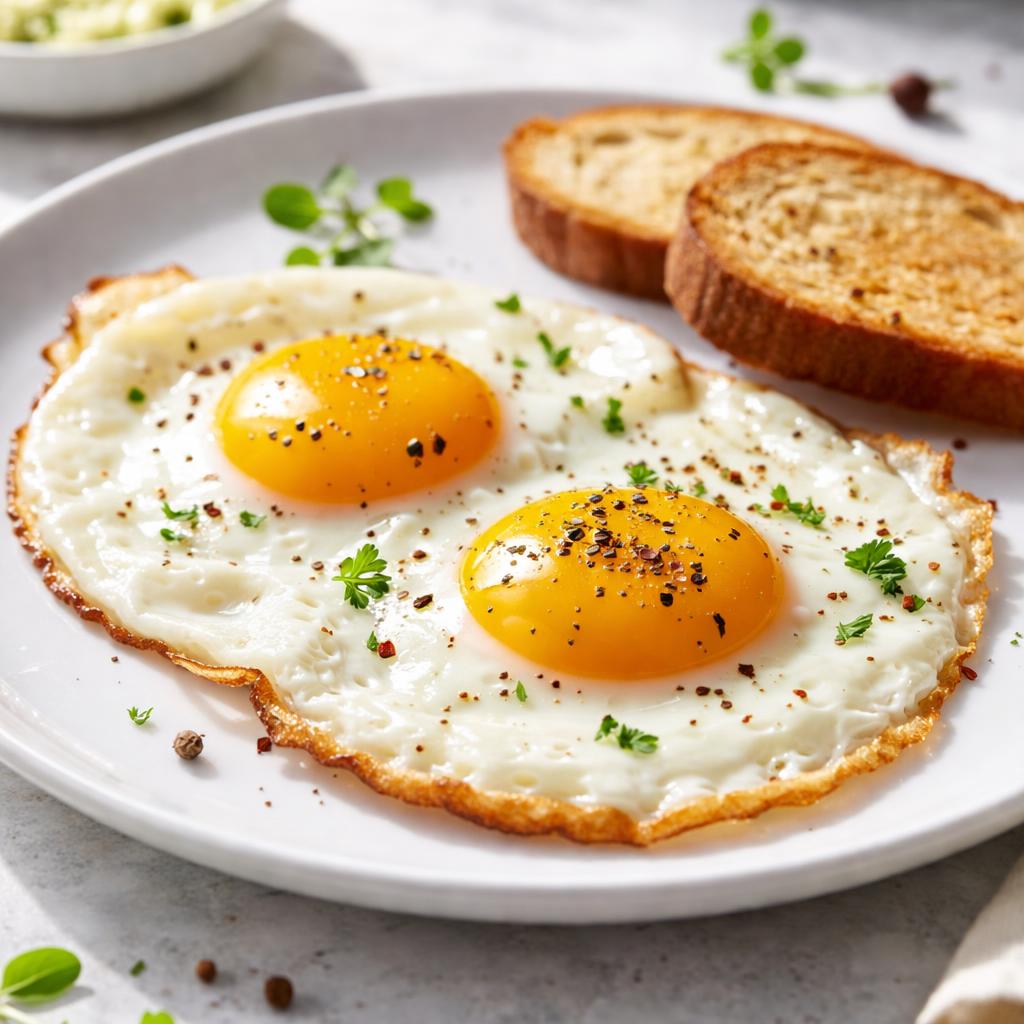
Egg
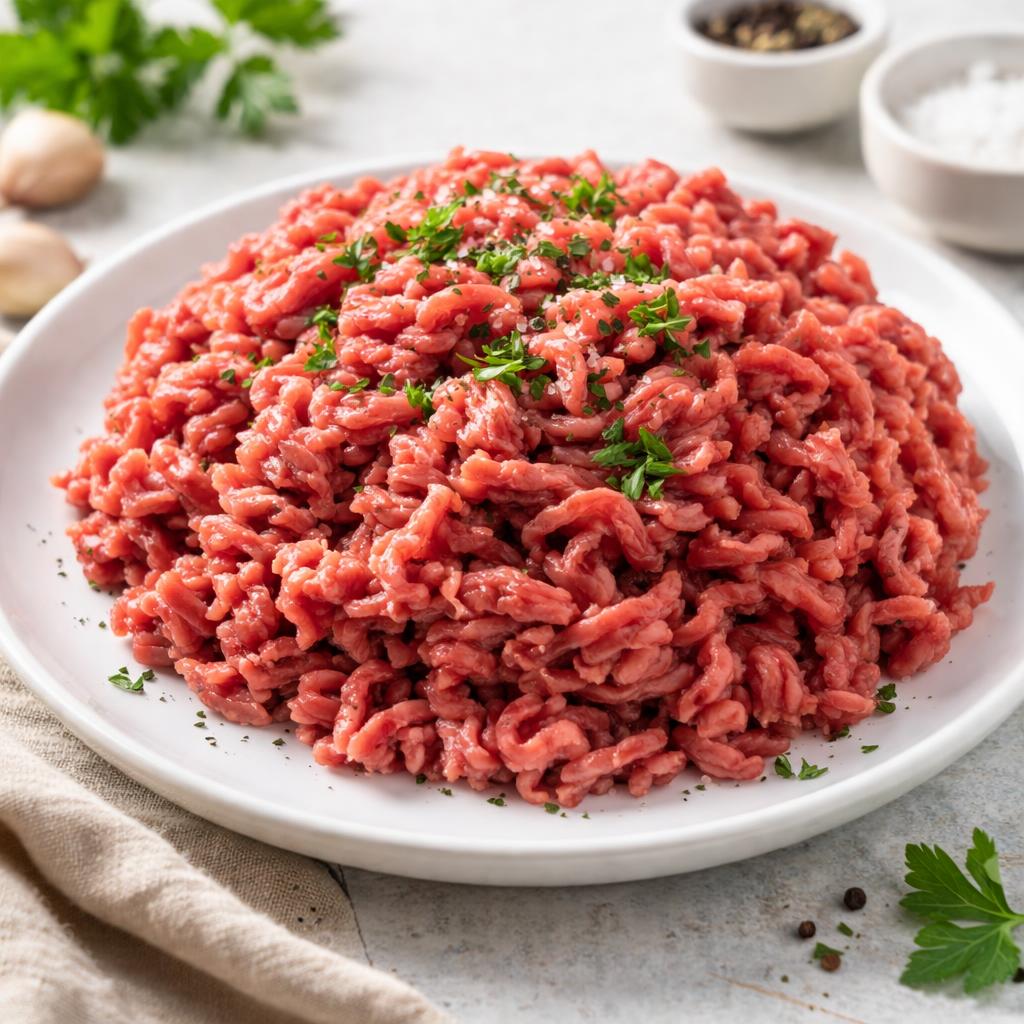
Minced Meat
🎯 Quick Verdict
Eggs and minced meat are both protein-rich foods, with minced meat offering more protein per serving while eggs provide fewer calories. Eggs are also a great source of healthy fats, vitamins, and minerals, especially vitamin D, while minced meat is higher in vitamin B12 and iron. Both can fit well into high-protein and low-carb diets, depending on dietary goals.

Smart Nutrition Tracking with SnapCalorie

📊 Nutritional Comparison
Macronutrients
| Nutrient | Food 1 | Food 2 | Winner |
|---|---|---|---|
| Calories | 70 | 250 | ✓ |
| Protein | 6g | 20g | ✓ |
| Carbs | 0.6g | 0g | ✓ |
| Fat | 5g | 18g | ✓ |
| Fiber | 0g | 0g | − |
Vitamins & Minerals
| Nutrient | Food 1 | Food 2 | Winner |
|---|---|---|---|
| Vitamin D | 2mcg | 0mcg | ✓ |
| Vitamin B12 | 0.6mcg | 2.4mcg | ✓ |
| Iron | 0.9mg | 2.7mg | ✓ |
🏆 Category Winners
Protein
Minced meat contains over 3 times more protein per serving compared to eggs.
Fiber
Neither food contains fiber, so it is a tie for this category.
Calories
Eggs have 70% fewer calories per serving than minced meat.
Vitamins
Eggs are richer in vitamin D, while minced meat offers more vitamin B12 and iron, making both nutritionally valuable.
🥗 Diet Compatibility
Keto
Food 1: Compatible
Food 2: Compatible
Both foods are low in carbs and high in fat and protein, suitable for keto diets.
Vegan
Food 1: Not Compatible
Food 2: Not Compatible
Both foods are animal-based and therefore not suitable for vegan diets.
Gluten Free
Food 1: Compatible
Food 2: Compatible
Neither food contains gluten, making them suitable for gluten-free diets.
Paleo
Food 1: Compatible
Food 2: Compatible
Both foods fit paleo guidelines as they are whole and unprocessed.
Low Carb
Food 1: Compatible
Food 2: Compatible
Eggs and minced meat are virtually carb-free, making both ideal for low-carb diets.
💪 Health Benefits Comparison
Food 1 Benefits
- Rich source of vitamin D for bone health
- High in protein for muscle repair and growth
- Contains choline for brain health
- Provides healthy fats to support cardiovascular health
Food 2 Benefits
- Excellent source of iron for oxygen transportation
- Rich in vitamin B12 for energy production
- High protein content for muscle gain and maintenance
- Provides zinc and selenium for immune function
✅ The Bottom Line
Both eggs and minced meat are nutrient-dense options, but their best uses depend on your goals. Choose eggs for lower calorie meals and a boost in vitamin D, or opt for minced meat when you need higher protein and iron intake. Both are versatile and fit into most diets, except vegan ones.
Choose Food 1 for: Low-calorie diets, brain function, vitamin D supplementation
Choose Food 2 for: High-protein diets, muscle building, iron deficiency prevention


