Egg VS Milk
A detailed nutritional comparison

Egg
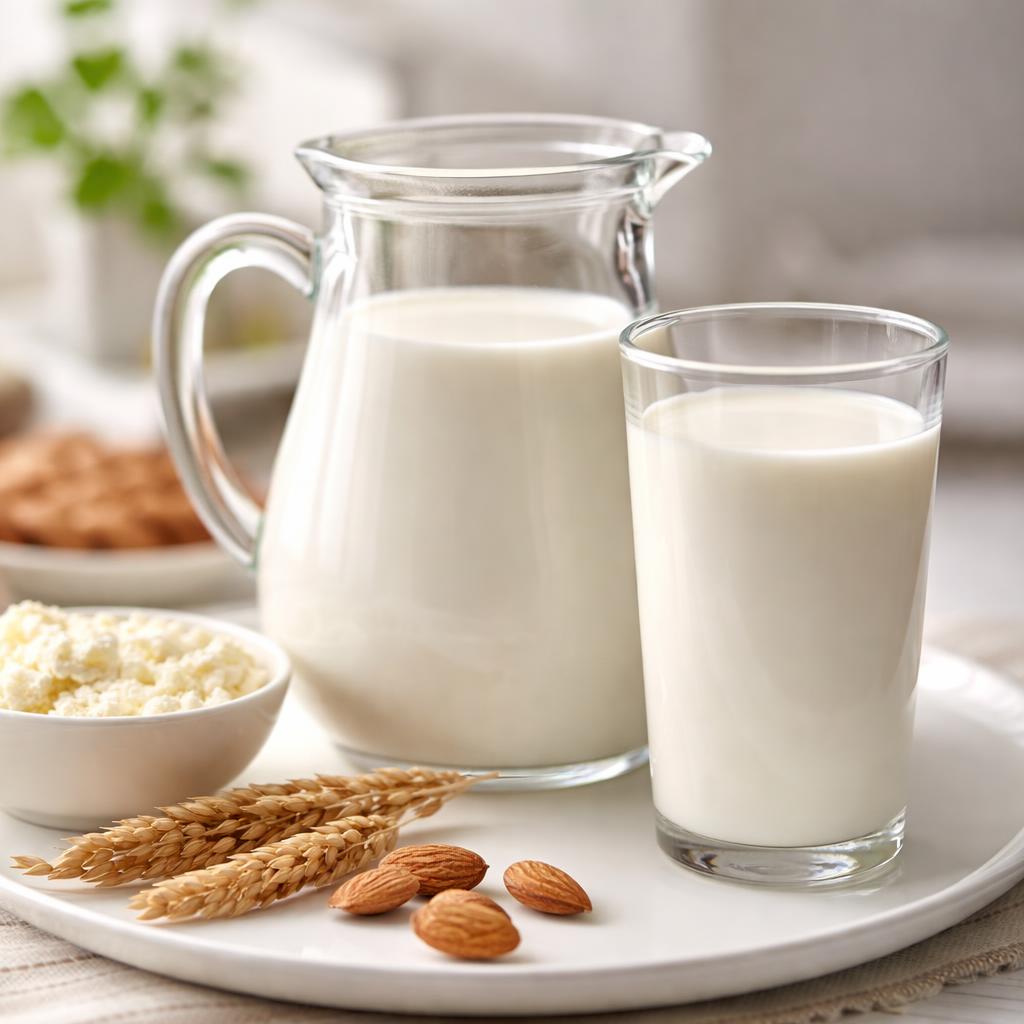
Milk
🎯 Quick Verdict
Eggs are higher in protein and lower in calories compared to milk, making them a strong choice for muscle building and weight management. Milk is rich in calcium and vitamin D, supporting bone health, and offers balanced macronutrients suitable for sustained energy during the day.

Smart Nutrition Tracking with SnapCalorie

📊 Nutritional Comparison
Macronutrients
| Nutrient | Food 1 | Food 2 | Winner |
|---|---|---|---|
| Calories | 68 per large egg | 122 per cup (1% milk) | ✓ |
| Protein | 6g | 8g | ✓ |
| Carbs | 0.6g | 12.2g | ✓ |
| Fat | 4.7g | 2.4g | ✓ |
| Fiber | 0g | 0g | − |
Vitamins & Minerals
| Nutrient | Food 1 | Food 2 | Winner |
|---|---|---|---|
| Vitamin D | 1.1mcg | 2.9mcg | ✓ |
| Calcium | 25mg | 305mg | ✓ |
| Iron | 0.9mg | 0.1mg | ✓ |
| Vitamin A | 260 IU | 500 IU | ✓ |
🏆 Category Winners
Protein
Eggs provide higher protein density per serving.
Fiber
Neither eggs nor milk contain dietary fiber.
Calories
Eggs are lower in calories per serving compared to milk.
Vitamins
Milk has notably higher levels of calcium, vitamin A, and vitamin D.
🥗 Diet Compatibility
Keto
Food 1: Compatible
Food 2: Not Compatible
Eggs are low-carb (0.6g per serving), while milk has 12.2g carbs per cup.
Vegan
Food 1: Not Compatible
Food 2: Not Compatible
Both eggs and milk are animal products and not vegan.
Gluten Free
Food 1: Compatible
Food 2: Compatible
Neither eggs nor milk contain gluten.
Paleo
Food 1: Compatible
Food 2: Not Compatible
Eggs are paleo-friendly, but milk is generally avoided on paleo diets.
Low Carb
Food 1: Compatible
Food 2: Not Compatible
Eggs are low in carbohydrates, whereas milk contains significant carbs from lactose.
💪 Health Benefits Comparison
Food 1 Benefits
- High-quality protein for muscle repair and growth
- Rich source of choline for brain health
- Contains essential vitamins like B12 for energy production
Food 2 Benefits
- Rich in calcium for strong bones and teeth
- Contains vitamin D for immune health and calcium absorption
- Balanced fat and carbohydrate content for sustained energy
✅ The Bottom Line
Eggs and milk each have specific strengths—eggs excel for protein-packed meals and low-carb diets, while milk is ideal for bone health and balanced energy due to its calcium and vitamin D content. Choose eggs for weight loss and muscle building, and milk for overall nutrition and bone strength.
Choose Food 1 for: Weight management, high-protein diets, keto or paleo diets
Choose Food 2 for: Bone health, balanced energy, nutrient density for daily intake


