Egg VS Egg Yolk
A detailed nutritional comparison

Egg
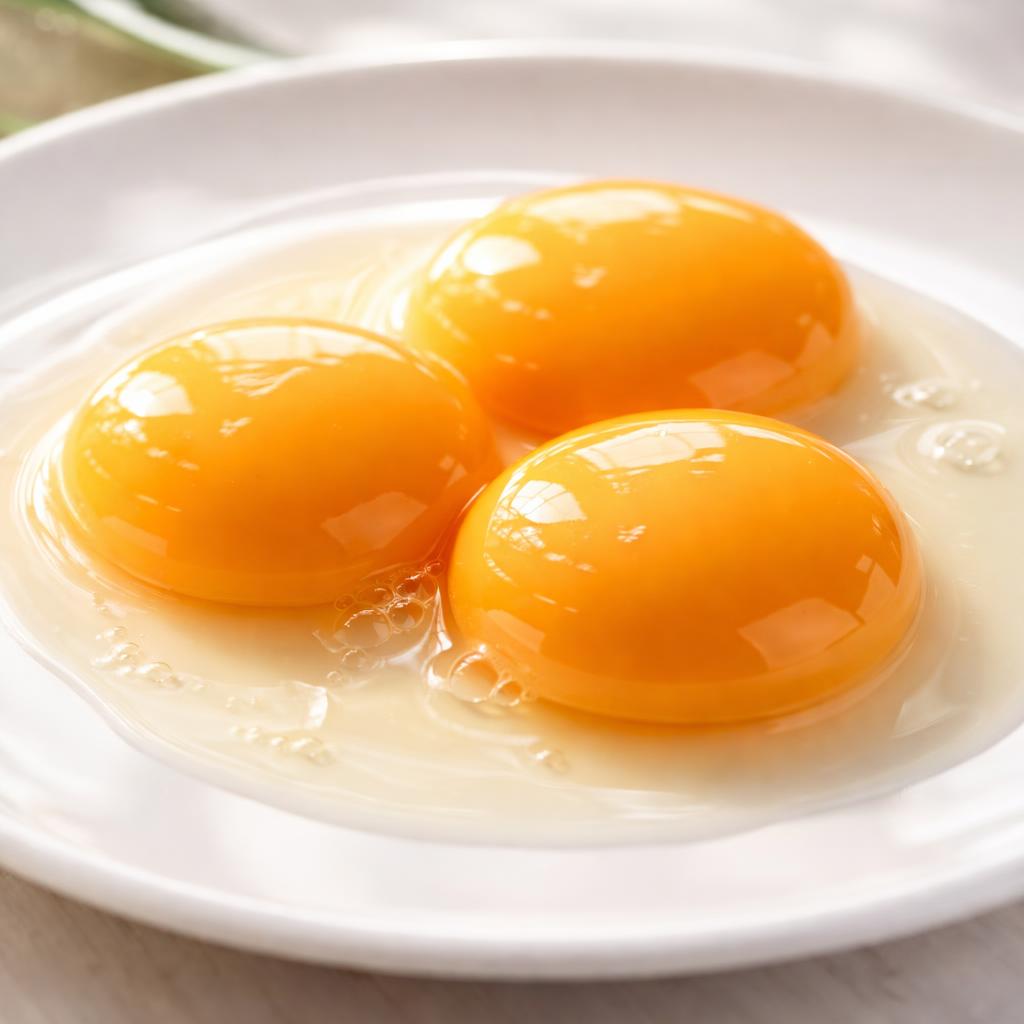
Egg Yolk
🎯 Quick Verdict
Eggs (whole) are nutritionally denser overall compared to egg yolks alone, offering higher protein and fewer calories per serving, making them more suited for calorie-conscious diets and muscle building. Egg yolks, while higher in fats and calories, contain more vitamins such as Vitamin D and healthy fats, ideal for nutrient-rich diets focused on supporting brain and heart health.

Smart Nutrition Tracking with SnapCalorie

📊 Nutritional Comparison
Macronutrients
| Nutrient | Food 1 | Food 2 | Winner |
|---|---|---|---|
| Calories | 70 | 55 | ✓ |
| Protein | 6g | 2.7g | ✓ |
| Carbs | 0.6g | 0.6g | − |
| Fat | 5g | 4.5g | ✓ |
| Fiber | 0g | 0g | − |
Vitamins & Minerals
| Nutrient | Food 1 | Food 2 | Winner |
|---|---|---|---|
| Vitamin D | 1mcg | 1.5mcg | ✓ |
| Vitamin A | 270IU | 246IU | ✓ |
| Choline | 125mg | 140mg | ✓ |
| Iron | 1mg | 0.5mg | ✓ |
🏆 Category Winners
Protein
Egg whites contribute significantly to the protein content in a whole egg, resulting in twice the protein of egg yolks.
Fiber
Neither food contains dietary fiber.
Calories
Whole eggs have slightly lower calories compared to yolks, balancing protein and fat content.
Vitamins
Egg yolks contain more essential micronutrients such as Vitamin D and choline.
🥗 Diet Compatibility
Keto
Food 1: Compatible
Food 2: Compatible
Both foods are low in carbs and high in fat, aligning well with a ketogenic diet.
Vegan
Food 1: Not Compatible
Food 2: Not Compatible
Both are derived from animal products.
Gluten Free
Food 1: Compatible
Food 2: Compatible
Neither contains gluten, making them safe for gluten-free diets.
Paleo
Food 1: Compatible
Food 2: Compatible
Both foods fit paleo dietary guidelines as whole, unprocessed foods.
Low-Carb
Food 1: Compatible
Food 2: Compatible
Both contain minimal carbohydrate content, suitable for low-carb diets.
💪 Health Benefits Comparison
Food 1 Benefits
- Rich source of high-quality protein for muscle growth
- Lower in calories, aiding weight management
- Good source of Vitamin A for eye health
- Contains essential amino acids for cell repair
Food 2 Benefits
- Higher in healthy fats for brain function and heart health
- Rich in choline to support liver function and neurotransmitter production
- Sources more Vitamin D, aiding calcium absorption and bone health
- Contains antioxidants like lutein and zeaxanthin for eye health
✅ The Bottom Line
Whole eggs offer better overall nutritional balance with higher protein and lower calories, making them ideal for fitness goals and weight management. Egg yolks are a concentrated source of fat-soluble vitamins, choline, and healthy fats, making them more suited for nutrient-focused or keto diets. Choose whole eggs for protein and calorie-conscious goals, while opting for yolks to enhance nutrient density in meals.
Choose Food 1 for: Muscle building, weight management, balanced nutrition
Choose Food 2 for: Nutrient density, brain health, heart health


