Egg VS Cottage Cheese
A detailed nutritional comparison
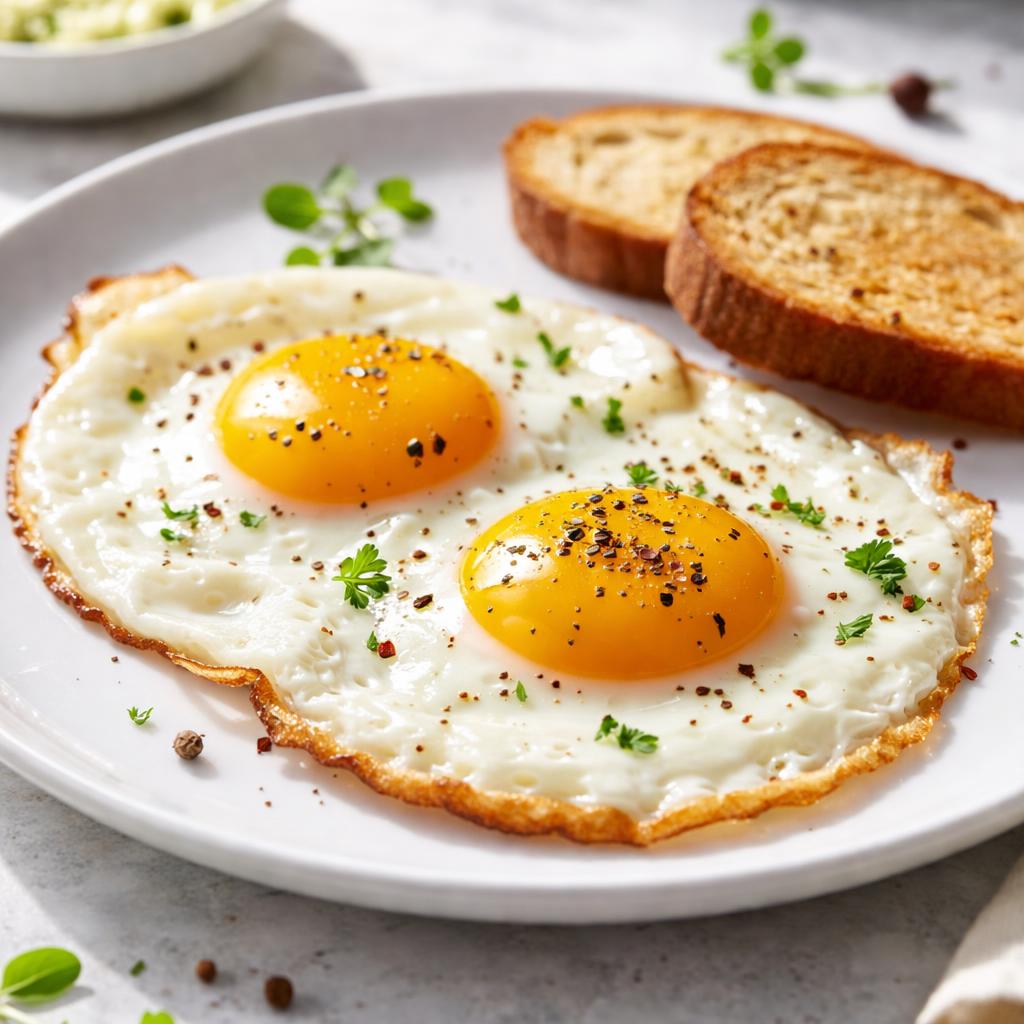
Egg
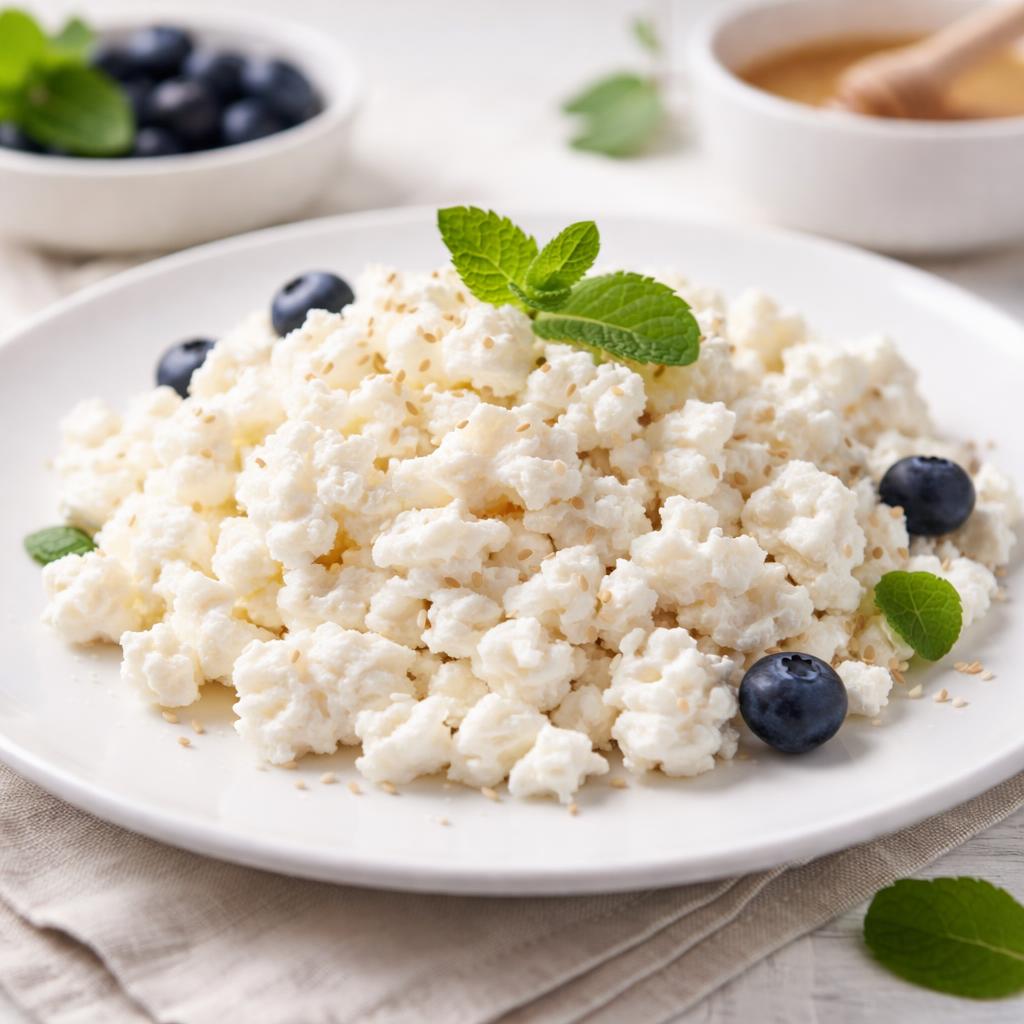
Cottage Cheese
🎯 Quick Verdict
Eggs and cottage cheese are both excellent sources of protein, but vary in other nutritional aspects. Eggs are lower in calories and rich in vitamin D, while cottage cheese contains more protein per serving and offers calcium as a key nutrient. Eggs suit low-calorie diets, while cottage cheese is ideal for muscle-building and sustained energy needs.

Smart Nutrition Tracking with SnapCalorie

📊 Nutritional Comparison
Macronutrients
| Nutrient | Food 1 | Food 2 | Winner |
|---|---|---|---|
| Calories | 70 (1 large egg) | 100 (1/2 cup, 4% fat) | ✓ |
| Protein | 6g | 12g | ✓ |
| Carbs | 0.6g | 3.4g | ✓ |
| Fat | 5g | 4g | ✓ |
| Fiber | 0g | 0g | − |
Vitamins & Minerals
| Nutrient | Food 1 | Food 2 | Winner |
|---|---|---|---|
| Vitamin D | 1.1mcg | 0mcg | ✓ |
| Calcium | 25mg | 100mg | ✓ |
| Iron | 0.9mg | 0.1mg | ✓ |
🏆 Category Winners
Protein
Cottage cheese has double the protein compared to eggs per serving.
Fiber
Neither food contains fiber.
Calories
Eggs have 30% fewer calories per serving.
🥗 Diet Compatibility
Keto
Food 1: Compatible
Food 2: Compatible
Both foods are low-carb.
Vegan
Food 1: Not Compatible
Food 2: Not Compatible
Both foods are animal-based.
Gluten Free
Food 1: Compatible
Food 2: Compatible
Neither food contains gluten.
Paleo
Food 1: Compatible
Food 2: Compatible
Both align with paleo guidelines.
Low Carb
Food 1: Compatible
Food 2: Compatible
Both foods are low in carbohydrates.
💪 Health Benefits Comparison
Food 1 Benefits
- High-quality protein for muscle repair and growth
- Rich in vitamin D for bone health and immunity
- Good source of essential fats like omega-3s
Food 2 Benefits
- Excellent source of protein for muscle-building
- High in calcium for strong bones and teeth
- Provides probiotics for gut health (if cultured)
✅ The Bottom Line
Choose eggs if you need fewer calories, more vitamin D, and a versatile breakfast option. Opt for cottage cheese if you prioritize higher protein and calcium intake, ideal for muscle-building and overall bone health.
Choose Food 1 for: Low-calorie diets, vitamin D supplementation, quick snacks
Choose Food 2 for: Muscle gain, bone health, nutrient-dense meals or snacks


