Egg VS Cheddar
A detailed nutritional comparison

Egg
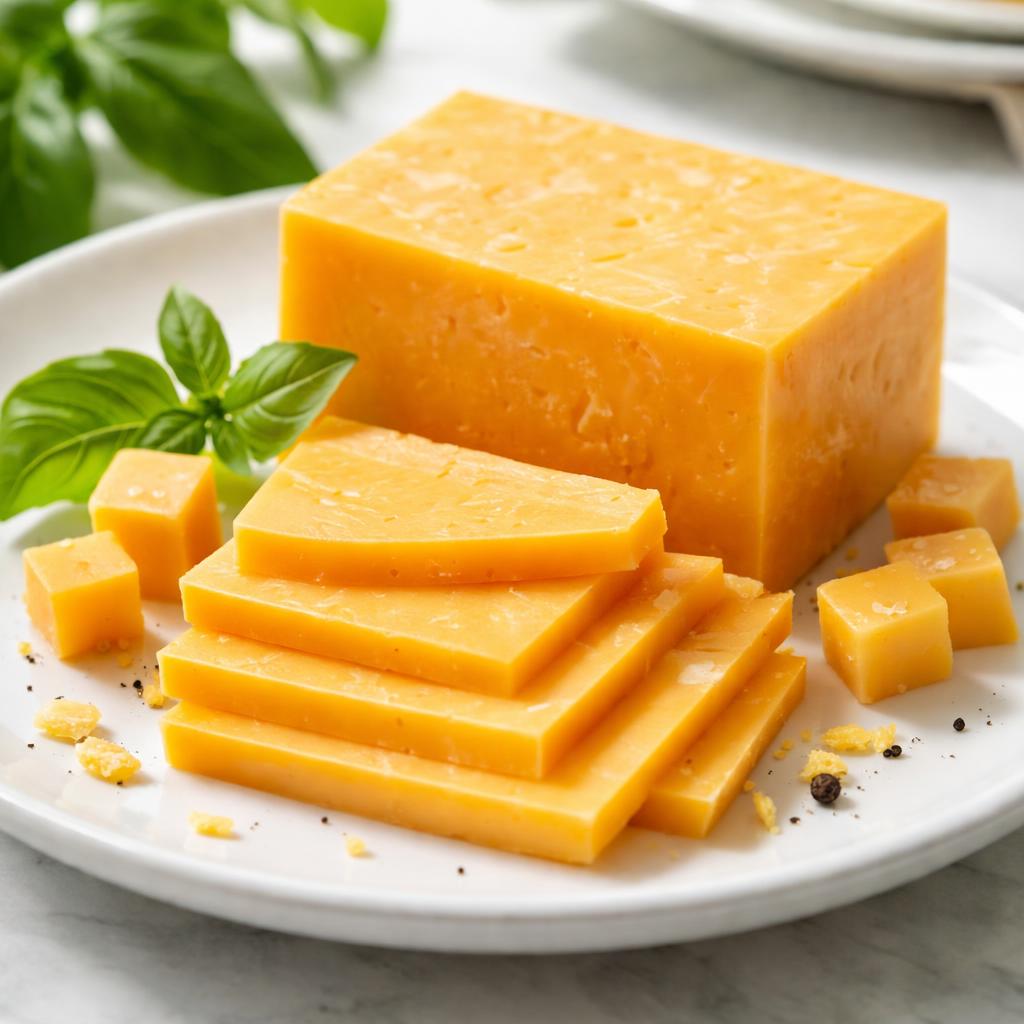
Cheddar
🎯 Quick Verdict
Eggs and cheddar cheese both offer unique benefits. Eggs are higher in protein and lower in calories, making them a great option for weight management and muscle building. Cheddar cheese is rich in healthy fats and provides higher calcium content, which supports bone health. Both foods are versatile and nutrient-dense, suitable for various diets except vegan diets.

Smart Nutrition Tracking with SnapCalorie

📊 Nutritional Comparison
Macronutrients
| Nutrient | Food 1 | Food 2 | Winner |
|---|---|---|---|
| Calories | 70 | 115 | ✓ |
| Protein | 6g | 7g | ✓ |
| Carbs | 0.6g | 1g | ✓ |
| Fat | 5g | 9g | ✓ |
| Fiber | 0g | 0g | − |
Vitamins & Minerals
| Nutrient | Food 1 | Food 2 | Winner |
|---|---|---|---|
| Vitamin D | 1mcg | 0.3mcg | ✓ |
| Calcium | 25mg | 200mg | ✓ |
| Iron | 0.8mg | 0mg | ✓ |
🏆 Category Winners
Protein
Cheddar cheese provides slightly more protein per serving (7g vs 6g).
Fiber
Neither food contains fiber.
Calories
Eggs are lower in calories, making them better for weight management.
Vitamins
Eggs are richer in Vitamin D and iron compared to cheddar cheese.
🥗 Diet Compatibility
Keto
Food 1: Compatible
Food 2: Compatible
Both foods are low in carbs and high in fats/proteins.
Vegan
Food 1: Not Compatible
Food 2: Not Compatible
Both foods are animal-derived.
Gluten Free
Food 1: Compatible
Food 2: Compatible
Neither contains gluten.
Paleo
Food 1: Compatible
Food 2: Partially Compatible
Eggs are naturally accepted in paleo diets, while cheese is often limited.
Low Carb
Food 1: Compatible
Food 2: Compatible
Both foods are extremely low in carbohydrates.
💪 Health Benefits Comparison
Food 1 Benefits
- Rich in high-quality protein for muscle repair and growth
- Good source of Vitamin D for bone health and immune function
- Contains choline, which supports brain health and metabolism
Food 2 Benefits
- Excellent source of calcium to strengthen bones and teeth
- Provides healthy fats for energy and cellular repair
- Contains Vitamin A for eye health and skin maintenance
✅ The Bottom Line
Choose eggs as a lower-calorie, high-protein option for weight management or muscle-building meals. Cheddar cheese is ideal for those looking to increase calcium intake or add flavorful, nutrient-dense fats to their diet.
Choose Food 1 for: Weight loss, muscle growth, ketogenic diets
Choose Food 2 for: Bone health, energy-rich meals, nutrient-dense snacks


