Egg VS Bacon Bits
A detailed nutritional comparison

Egg
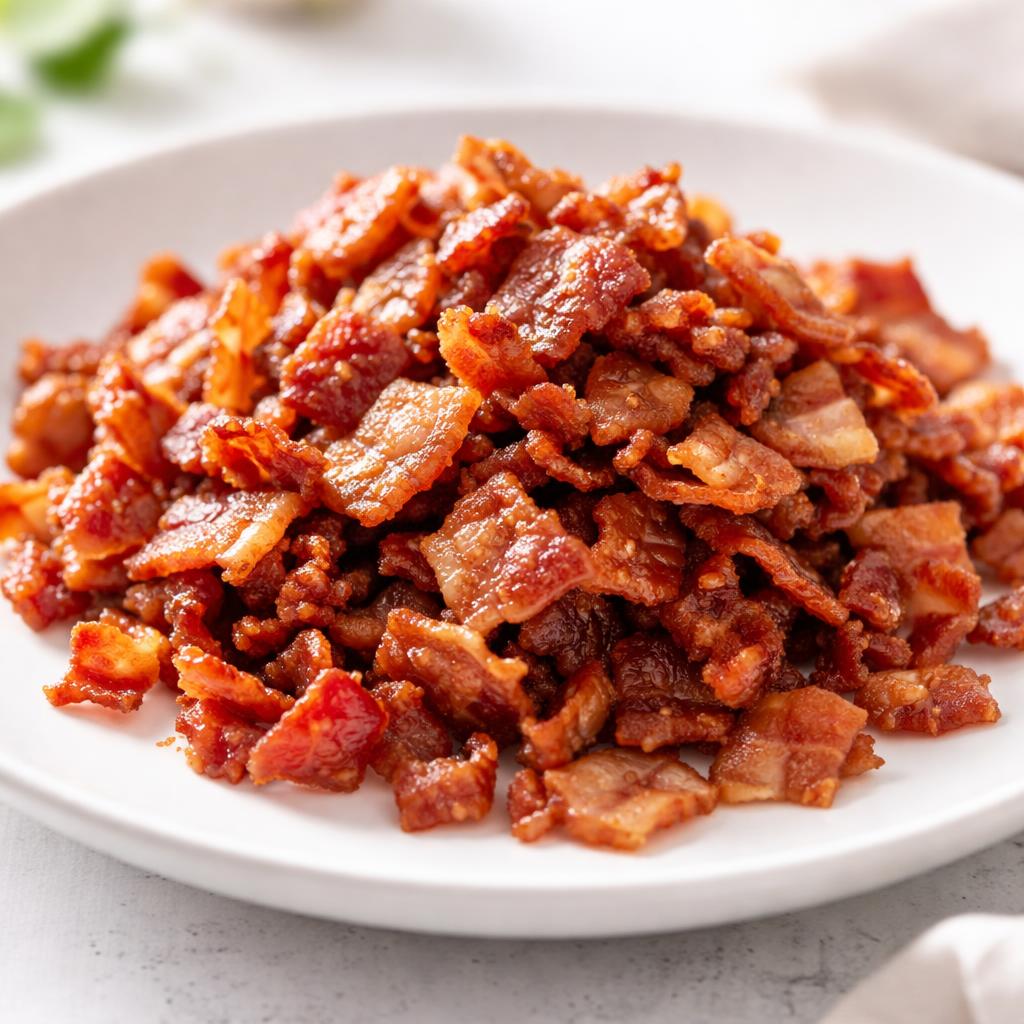
Bacon Bits
🎯 Quick Verdict
Eggs emerge as a more balanced option, offering high-quality protein, fewer calories, and essential vitamins. Bacon bits are calorie-dense and high in fat but provide intense flavor and moderate protein, making them better suited as a topping or garnish in moderation than as a standalone food source.

Smart Nutrition Tracking with SnapCalorie

📊 Nutritional Comparison
Macronutrients
| Nutrient | Food 1 | Food 2 | Winner |
|---|---|---|---|
| Calories | 70 | 130 | ✓ |
| Protein | 6g | 4g | ✓ |
| Carbs | 0.6g | 1g | ✓ |
| Fat | 5g | 11g | ✓ |
| Fiber | 0g | 0g | − |
Vitamins & Minerals
| Nutrient | Food 1 | Food 2 | Winner |
|---|---|---|---|
| Vitamin D | 1.1mcg | 0mcg | ✓ |
| Vitamin B12 | 0.6mcg | 0.38mcg | ✓ |
| Iron | 0.9mg | 0.4mg | ✓ |
| Potassium | 69mg | 40mg | ✓ |
🏆 Category Winners
Protein
Eggs provide 50% more protein compared to bacon bits and are a complete protein source.
Fiber
Neither eggs nor bacon bits contain fiber.
Calories
Eggs have nearly 50% fewer calories per serving compared to bacon bits.
Vitamins
Eggs are rich in Vitamin D, Vitamin B12, and Iron, whereas bacon bits contain minimal vitamins.
🥗 Diet Compatibility
Keto
Food 1: Compatible
Food 2: Compatible
Both foods are low in carbohydrates and fit well in keto diets.
Vegan
Food 1: Not Compatible
Food 2: Not Compatible
Both foods are animal-derived and unsuitable for vegan diets.
Gluten Free
Food 1: Compatible
Food 2: Compatible
Neither eggs nor bacon bits contain gluten.
Paleo
Food 1: Compatible
Food 2: Depends on processing
Eggs are fully paleo; bacon bits may contain additives not allowed in strict paleo diets.
Low Carb
Food 1: Compatible
Food 2: Compatible
Both foods are extremely low in carbohydrates, making them ideal for low-carb diets.
💪 Health Benefits Comparison
Food 1 Benefits
- Rich in high-quality, complete protein for muscle repair and overall health.
- Good source of Vitamin D for bone health and immune system support.
- Contains choline for cognitive function and liver health.
Food 2 Benefits
- Provides savory flavor to enhance dishes without needing large quantities.
- Contains moderate protein for muscle preservation.
- Provides fats for energy and satiety when consumed with caution.
✅ The Bottom Line
Eggs are the superior all-around choice, offering high-quality protein, important vitamins like Vitamin D and B12, and fewer calories. Bacon bits are calorie-dense and high in fat, best suited as a flavorful topping for dishes rather than a standalone protein source.
Choose Food 1 for: High-protein breakfasts, muscle recovery, balanced weight loss meals.
Choose Food 2 for: Adding flavor to salads, baked potatoes, or low-carb casseroles in small amounts.


