Egg Fried Rice VS Rice With Sauce
A detailed nutritional comparison
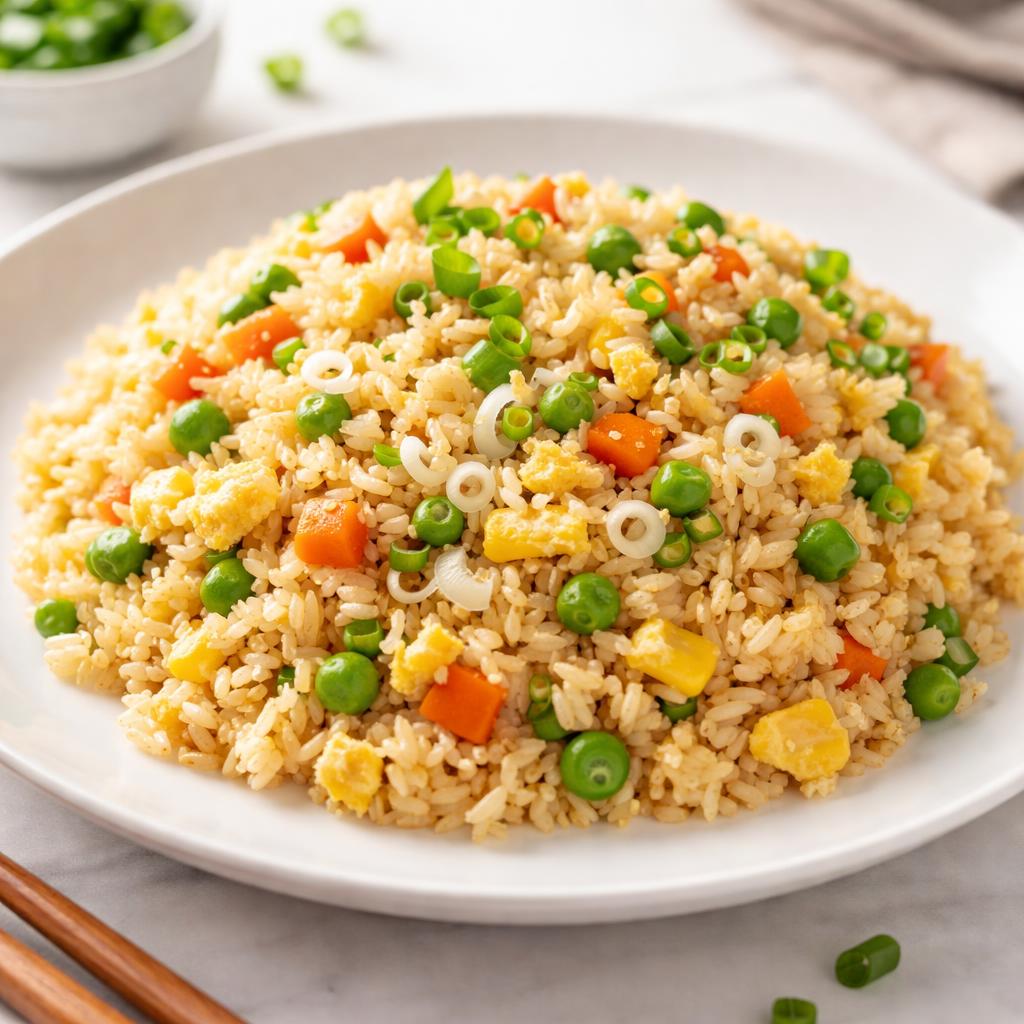
Egg Fried Rice
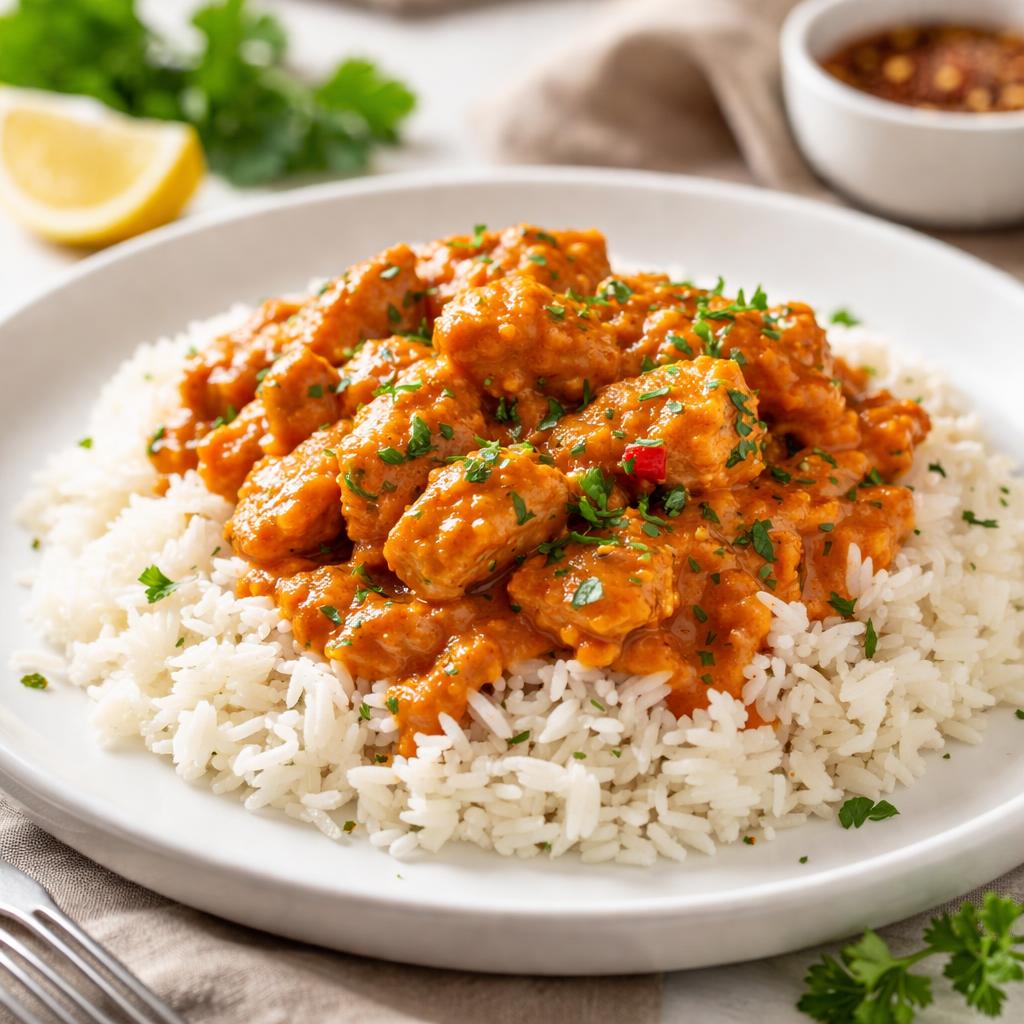
Rice With Sauce
🎯 Quick Verdict
Egg fried rice is higher in protein and contains more fat due to the eggs and oil used during preparation, making it ideal for individuals aiming to increase protein intake or energy. Rice with sauce typically has fewer calories but provides less protein, depending on the type of sauce, making it better suited for light meals or low-calorie diets.

Smart Nutrition Tracking with SnapCalorie

📊 Nutritional Comparison
Macronutrients
| Nutrient | Food 1 | Food 2 | Winner |
|---|---|---|---|
| Calories | 250 | 180 | ✓ |
| Protein | 9g | 3g | ✓ |
| Carbs | 37g | 38g | ✓ |
| Fat | 8g | 2g | ✓ |
| Fiber | 2g | 2g | − |
Vitamins & Minerals
| Nutrient | Food 1 | Food 2 | Winner |
|---|---|---|---|
| Vitamin D | 1mcg | 0mcg | ✓ |
| Vitamin A | 75IU | 80IU | ✓ |
| Iron | 1.5mg | 0.5mg | ✓ |
🏆 Category Winners
Protein
Egg fried rice has 3x the protein compared to rice with sauce due to the added egg.
Fiber
Both foods have similar fiber content at 2g per serving.
Calories
Rice with sauce is lower in calories, making it better for light diets.
🥗 Diet Compatibility
Keto
Food 1: Not Compatible
Food 2: Not Compatible
Both foods are high in carbohydrates (over 35g per serving).
Vegan
Food 1: Not Compatible
Food 2: Depends on sauce
Egg fried rice contains eggs, while rice with sauce can be vegan depending on the sauce ingredients.
Gluten Free
Food 1: Compatible
Food 2: Depends on sauce
Egg fried rice and plain rice are gluten-free, but sauces may contain gluten.
Paleo
Food 1: Not Compatible
Food 2: Not Compatible
Both foods contain grains, which are not permitted on a paleo diet.
Low-Carb
Food 1: Not Compatible
Food 2: Not Compatible
Both foods are high in carbohydrates and not suitable for low-carb diets.
💪 Health Benefits Comparison
Food 1 Benefits
- Provides high-quality protein from eggs for muscle repair
- Contains healthy fats from cooking oil
- Rich in iron for better oxygen transport in the body
Food 2 Benefits
- Lower in calories, helpful for weight management
- Can be customized with nutrient-dense sauces (e.g., tomato-based for antioxidants)
- Provides energy through carbohydrate content
✅ The Bottom Line
Choose egg fried rice if you need a balanced, protein-rich meal for muscle repair or post-exercise recovery. Opt for rice with sauce if you prefer a lighter, calorie-conscious dish or need a versatile base for sauces with diverse flavors and nutrients.
Choose Food 1 for: Post-workout meals, protein-focused diets, energy-dense meals
Choose Food 2 for: Low-calorie diets, light meals, customizable with sauces


