Cucumber VS Whole Eggs
A detailed nutritional comparison
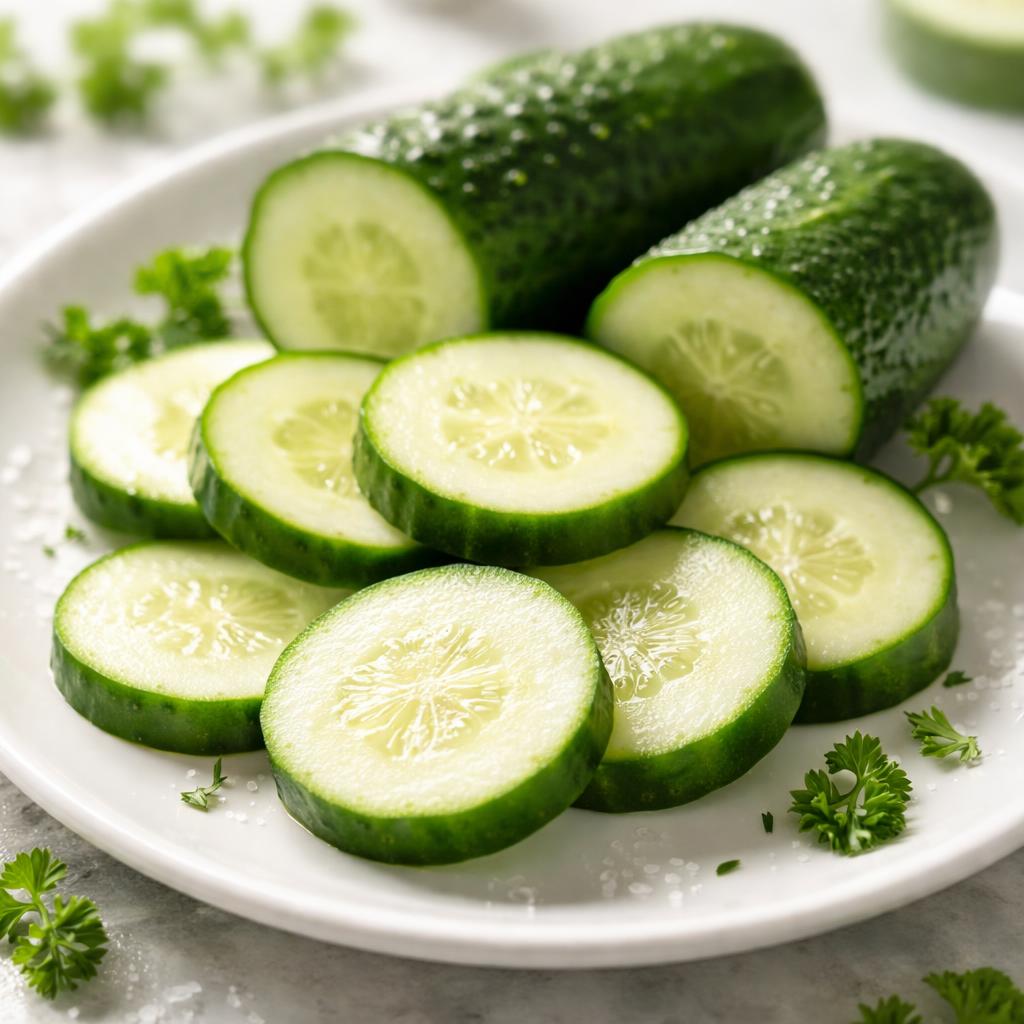
Cucumber
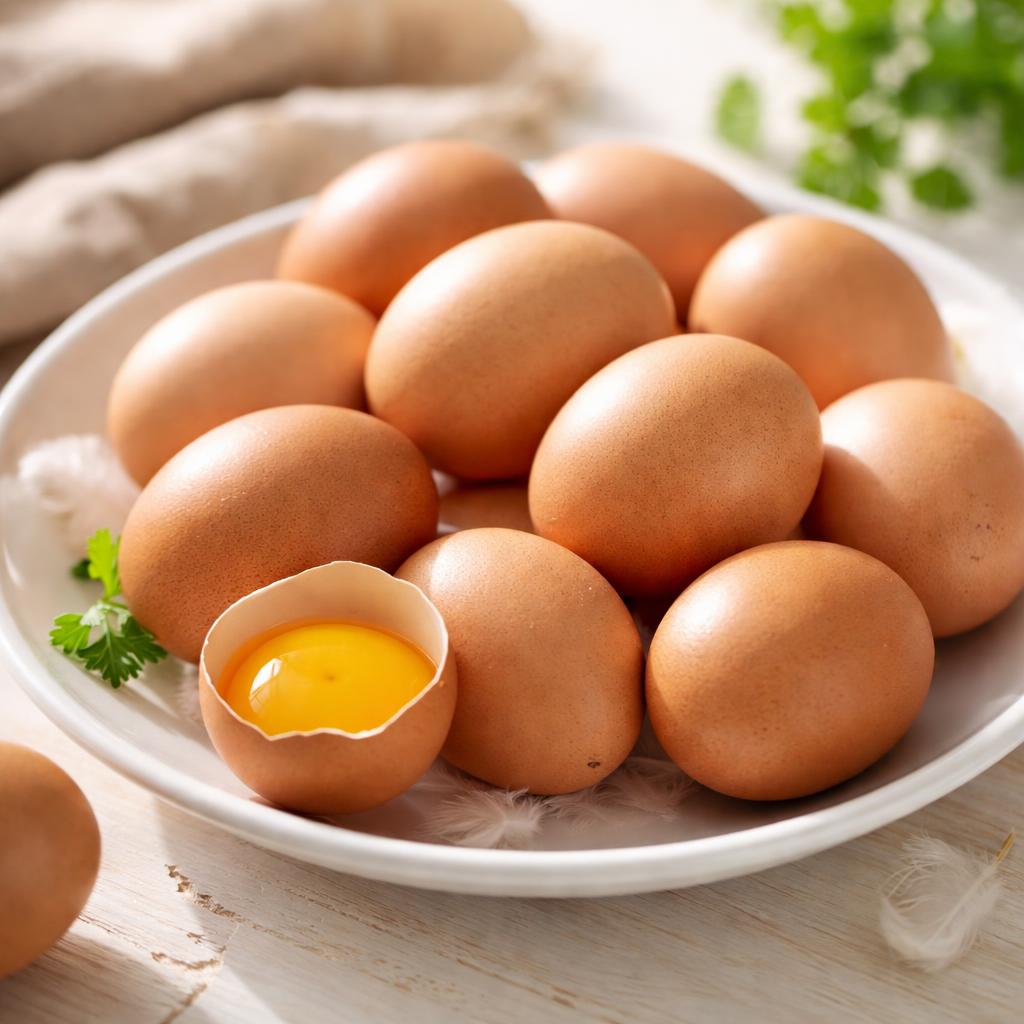
Whole Eggs
🎯 Quick Verdict
Cucumber is significantly lower in calories and contains more fiber, making it optimal for weight loss and maintaining hydration. Whole eggs, on the other hand, are nutritionally dense with substantially higher protein, healthy fats, and a variety of essential vitamins and minerals, ideal for muscle repair, brain health, and sustaining energy levels.

Smart Nutrition Tracking with SnapCalorie

📊 Nutritional Comparison
Macronutrients
| Nutrient | Food 1 | Food 2 | Winner |
|---|---|---|---|
| Calories | 15 | 72 | ✓ |
| Protein | 0.7g | 6.3g | ✓ |
| Carbs | 3.6g | 0.6g | ✓ |
| Fat | 0.1g | 4.8g | ✓ |
| Fiber | 0.5g | 0g | ✓ |
Vitamins & Minerals
| Nutrient | Food 1 | Food 2 | Winner |
|---|---|---|---|
| Vitamin D | 0mcg | 1.1mcg | ✓ |
| Vitamin C | 2.8mg | 0mg | ✓ |
| Calcium | 16mg | 28mg | ✓ |
| Iron | 0.3mg | 0.9mg | ✓ |
🏆 Category Winners
Protein
Whole eggs have over 9 times more protein per serving compared to cucumber.
Fiber
Cucumber contains dietary fiber, while eggs do not provide any fiber.
Calories
Cucumber is exceptionally low in calories, with only 15 per serving.
Vitamins
Whole eggs are richer in key vitamins like vitamin D, calcium, and iron, though cucumber provides vitamin C.
🥗 Diet Compatibility
Keto
Food 1: Compatible
Food 2: Compatible
Both foods are low-carb and meet the requirements for keto diets.
Vegan
Food 1: Compatible
Food 2: Not Compatible
Cucumber is plant-based, whereas whole eggs are derived from animals.
Gluten Free
Food 1: Compatible
Food 2: Compatible
Neither food contains gluten.
Paleo
Food 1: Compatible
Food 2: Compatible
Both foods are compatible with paleo diets due to their natural and unprocessed nature.
Low Carb
Food 1: Compatible
Food 2: Compatible
Both foods are low in carbohydrates (<5g per serving).
💪 Health Benefits Comparison
Food 1 Benefits
- Low in calories, ideal for weight loss diets
- Provides hydration due to high water content (95%)
- Contains vitamin C for immune health
- Supports gut health with small amounts of fiber
Food 2 Benefits
- Rich source of complete protein for muscle repair and maintenance
- Contains healthy fats, including omega-3s, for heart and brain health
- Provides vitamin D for bone health and immune function
- Packed with choline, which supports cognitive function and liver health
✅ The Bottom Line
Cucumber is best for hydration, low-calorie diets, and those needing light fiber, while whole eggs are a powerhouse of protein, healthy fats, and essential nutrients for satiety and overall health. Choose cucumber for weight loss and light snacking or eggs for high-protein needs and nutrient density.
Choose Food 1 for: Weight loss, hydration, light snacking
Choose Food 2 for: High-protein diets, muscle repair, nutrient-dense meals


