Cucumber VS White Fish
A detailed nutritional comparison
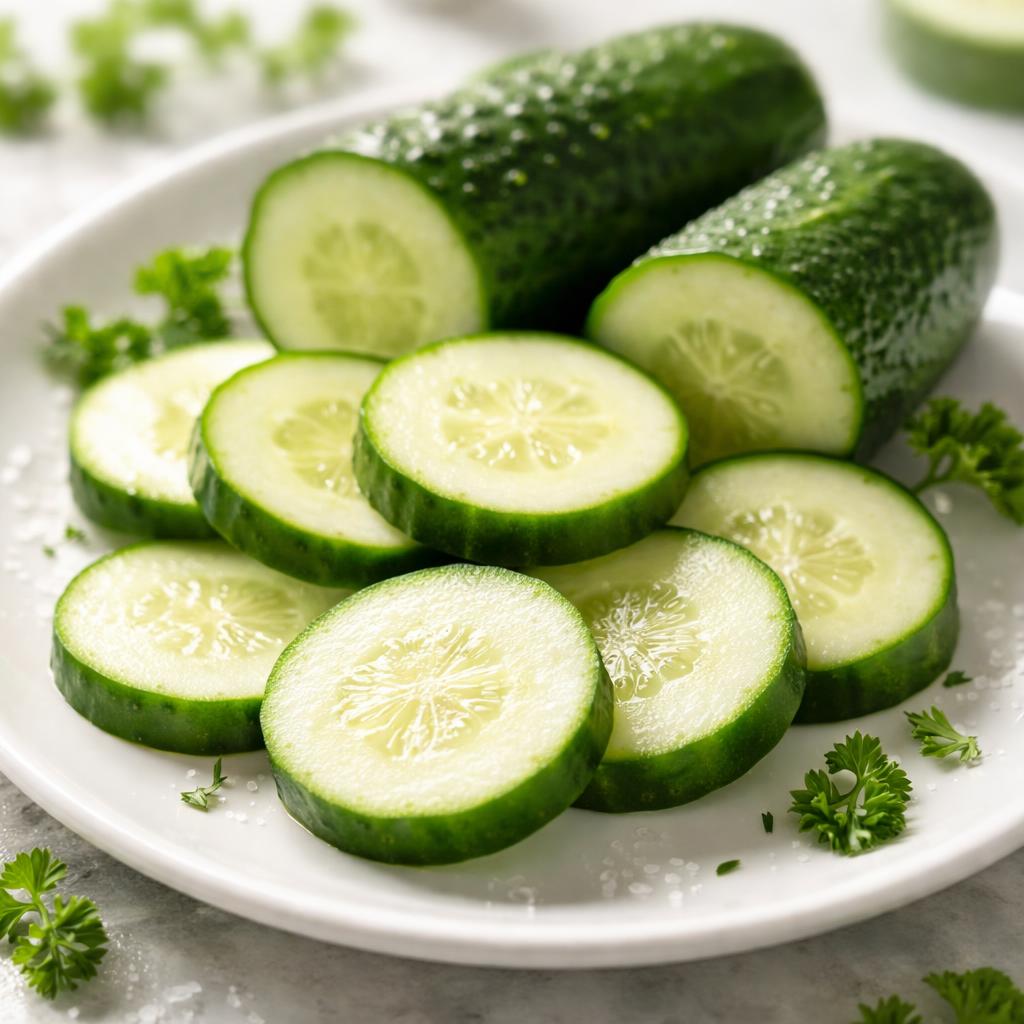
Cucumber
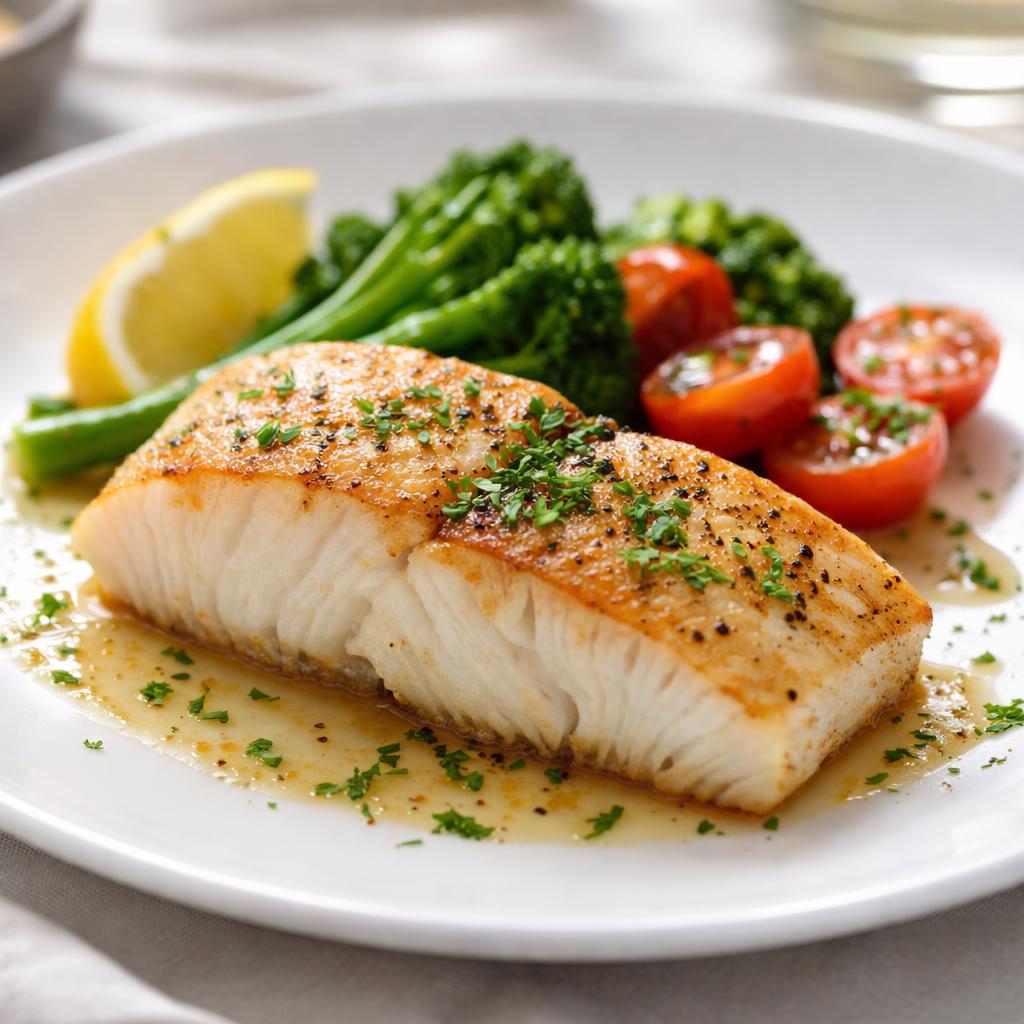
White Fish
🎯 Quick Verdict
White fish is significantly richer in protein and essential nutrients compared to cucumber, making it better for muscle growth and recovery. Meanwhile, cucumber is low in calories and offers hydration, fiber, and key vitamins, making it ideal for snacking or weight loss. Both foods can complement different dietary goals depending on needs.

Smart Nutrition Tracking with SnapCalorie

📊 Nutritional Comparison
Macronutrients
| Nutrient | Food 1 | Food 2 | Winner |
|---|---|---|---|
| Calories | 15 | 15 | − |
| Protein | 0.7g | 20g | − |
| Carbs | 3.6g | 0g | − |
| Fat | 0.1g | 1g | − |
| Fiber | 0.5g | 0g | − |
Vitamins & Minerals
| Nutrient | Food 1 | Food 2 | Winner |
|---|---|---|---|
| Vitamin C | 3.2mg | 0mg | − |
| Vitamin D | 0mcg | 1mcg | − |
| Calcium | 16mg | 11mg | − |
| Iron | 0.3mg | 0.5mg | − |
🏆 Category Winners
Protein
White fish contains 20g of protein per serving, far superior to cucumber at 0.7g.
Fiber
Cucumber provides 0.5g of fiber per serving, while white fish contains none.
Calories
Both foods are extremely low-calorie at around 15 calories per serving.
Vitamins
Cucumber is richer in vitamin C and calcium, while white fish is a good source of vitamin D and iron.
🥗 Diet Compatibility
Keto
Food 1: Compatible
Food 2: Compatible
Both foods are low-carb and suitable for a keto diet.
Vegan
Food 1: Compatible
Food 2: Not Compatible
Cucumber is plant-based whereas white fish is animal-derived.
Gluten Free
Food 1: Compatible
Food 2: Compatible
Neither food contains gluten, making them safe for a gluten-free diet.
Paleo
Food 1: Compatible
Food 2: Compatible
Both foods are paleo-friendly as they are natural and unprocessed.
Low-Carb
Food 1: Compatible
Food 2: Compatible
Both foods have minimal carbohydrates.
💪 Health Benefits Comparison
Food 1 Benefits
- Excellent source of hydration
- Low-calorie and weight-loss friendly
- Provides vitamin C to support immunity
- Contains fiber for digestion
Food 2 Benefits
- High in protein for muscle growth and repair
- Rich in omega-3 fatty acids (if fatty white fish such as cod or halibut)
- Contains vitamin D for bone health
- Provides iron for improved oxygen transport and energy levels
✅ The Bottom Line
White fish is the top choice for those seeking protein, essential nutrients, and muscle recovery, particularly if following a high-protein or nutrient-dense diet. On the other hand, cucumber is a fantastic addition to weight-loss diets or low-maintenance snacks due to its low-calorie and hydrating properties. Pairing these two foods can create a balanced meal for health and wellness.
Choose Food 1 for: Hydration, low-calorie snacks, digestion support
Choose Food 2 for: Muscle building, high-protein diets, bone health


