Cucumber VS Turkey
A detailed nutritional comparison
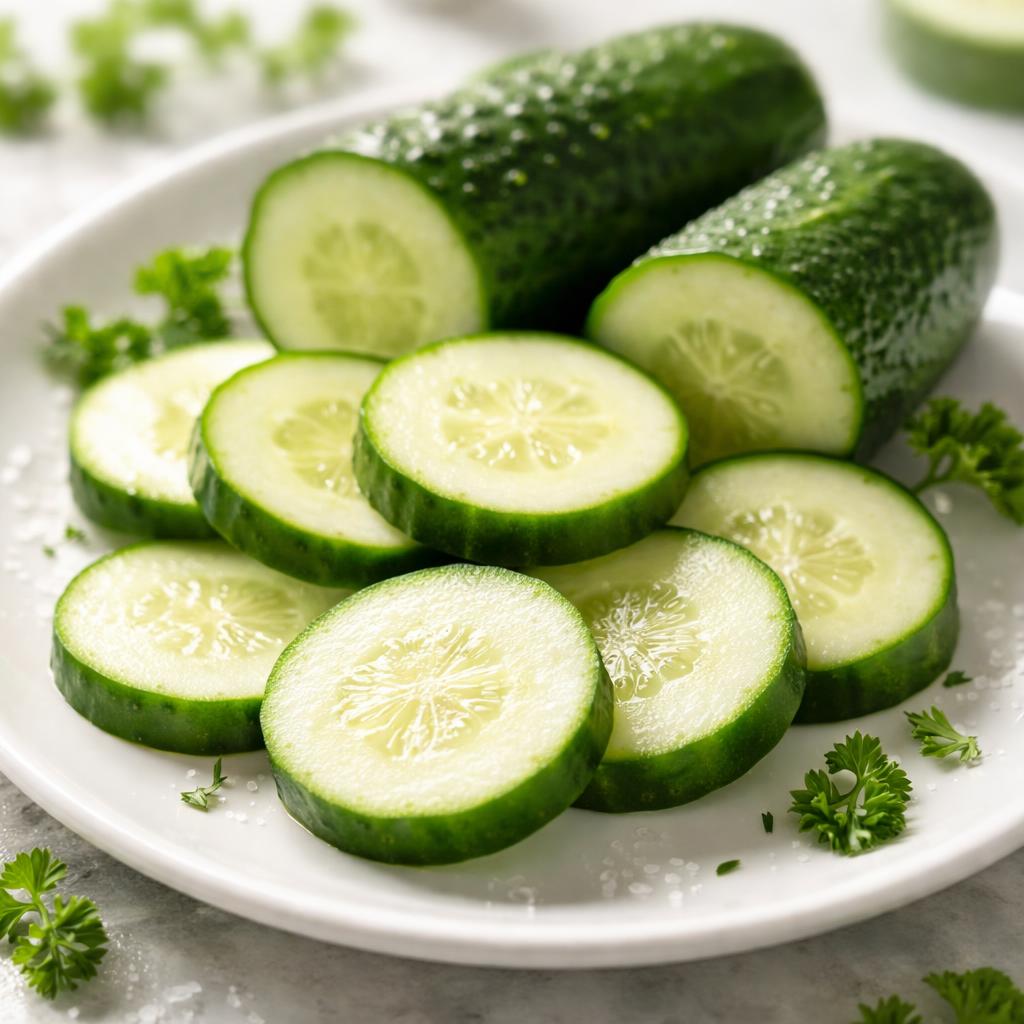
Cucumber
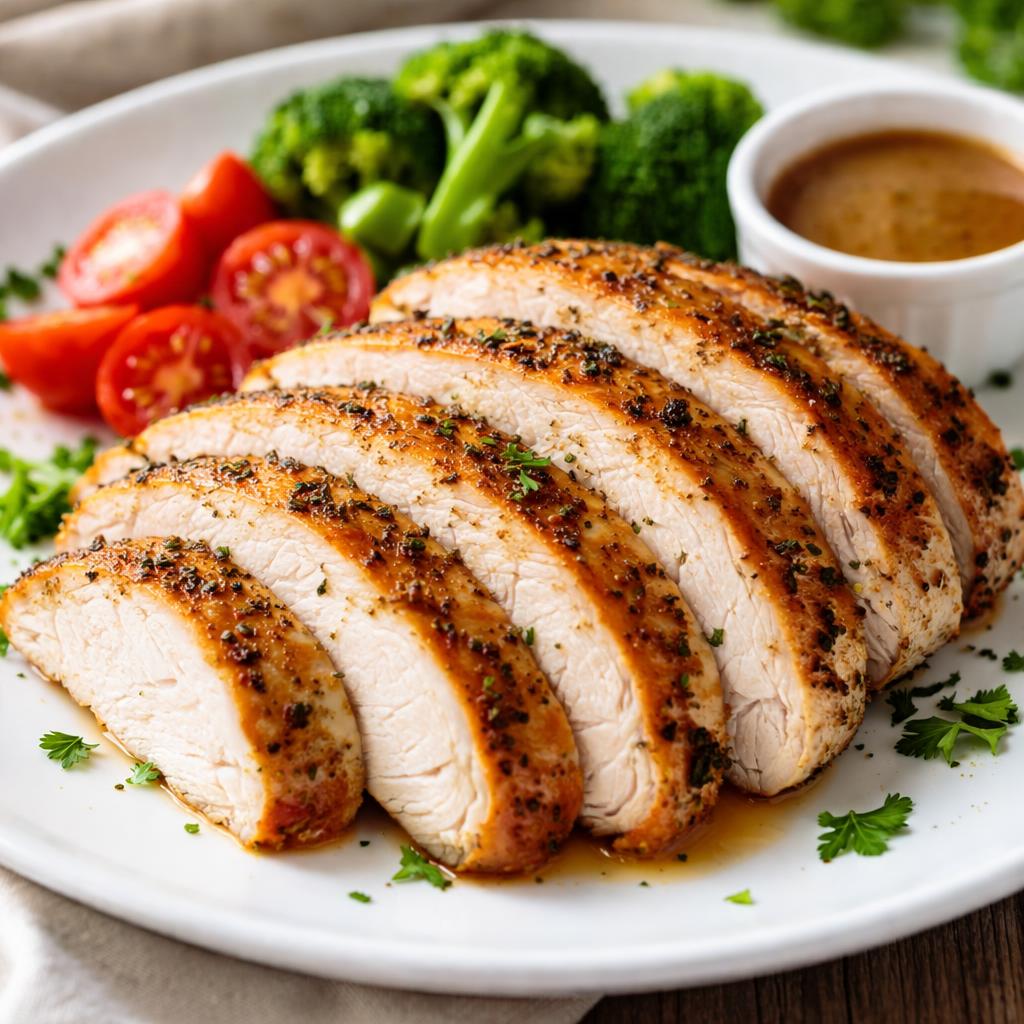
Turkey
🎯 Quick Verdict
Cucumber and turkey are vastly different in nutritional profiles. Turkey is high in protein and better for muscle maintenance, while cucumber is low-calorie, hydrating, and rich in fiber. Cucumber is ideal for light snacks and hydration, whereas turkey is better for protein-focused meals or post-workout recovery.

Smart Nutrition Tracking with SnapCalorie

📊 Nutritional Comparison
Macronutrients
| Nutrient | Food 1 | Food 2 | Winner |
|---|---|---|---|
| Calories | 15 (per 100g) | 135 (per 100g) | ✓ |
| Protein | 0.7g | 27g | ✓ |
| Carbs | 3.6g | 0g | ✓ |
| Fat | 0.1g | 3g | ✓ |
| Fiber | 0.5g | 0g | ✓ |
Vitamins & Minerals
| Nutrient | Food 1 | Food 2 | Winner |
|---|---|---|---|
| Vitamin C | 2.8mg | 0mg | ✓ |
| Vitamin K | 16.4mcg | 0mcg | ✓ |
| Vitamin B6 | 0.04mg | 0.71mg | ✓ |
| Iron | 0.3mg | 1.2mg | ✓ |
| Potassium | 147mg | 239mg | ✓ |
🏆 Category Winners
Protein
Turkey contains significantly higher protein levels at 27g per 100g compared to cucumber's minimal 0.7g.
Fiber
Cucumber has 0.5g of fiber per 100g, making it the winner in this category.
Calories
Cucumber contains only 15 calories per 100g, compared to turkey's 135 calories.
Vitamins
Cucumber is richer in Vitamin C and Vitamin K, while turkey excels in Vitamin B6 and Iron.
🥗 Diet Compatibility
Keto
Food 1: Compatible
Food 2: Compatible
Both foods are low in carbohydrates.
Vegan
Food 1: Compatible
Food 2: Not Compatible
Cucumber is plant-based, whereas turkey is animal-based.
Gluten Free
Food 1: Compatible
Food 2: Compatible
Neither food contains gluten.
Paleo
Food 1: Compatible
Food 2: Compatible
Both align with paleo dietary principles.
Low-Carb
Food 1: Compatible
Food 2: Highly Compatible
Turkey has 0g carbs, while cucumber has a moderate 3.6g carbs per 100g.
💪 Health Benefits Comparison
Food 1 Benefits
- Low in calories, ideal for weight management.
- Hydrating, as it contains ~95% water.
- Rich in antioxidants, including Vitamin C and Vitamin K.
Food 2 Benefits
- High-quality protein for muscle repair and growth.
- Good source of Vitamin B6, which supports brain health and energy metabolism.
- Contains Iron to support oxygen transport in the body.
✅ The Bottom Line
Cucumber is an excellent choice for snacking, hydration, and weight loss, while turkey is ideal for protein-focused meals and post-workout recovery. Choose cucumber for light, refreshing snacks and turkey for fueling the body with protein and essential nutrients.
Choose Food 1 for: Hydration, weight management, antioxidant intake
Choose Food 2 for: Muscle repair, energy support, high-protein meals


