Cucumber VS Sour Cream
A detailed nutritional comparison
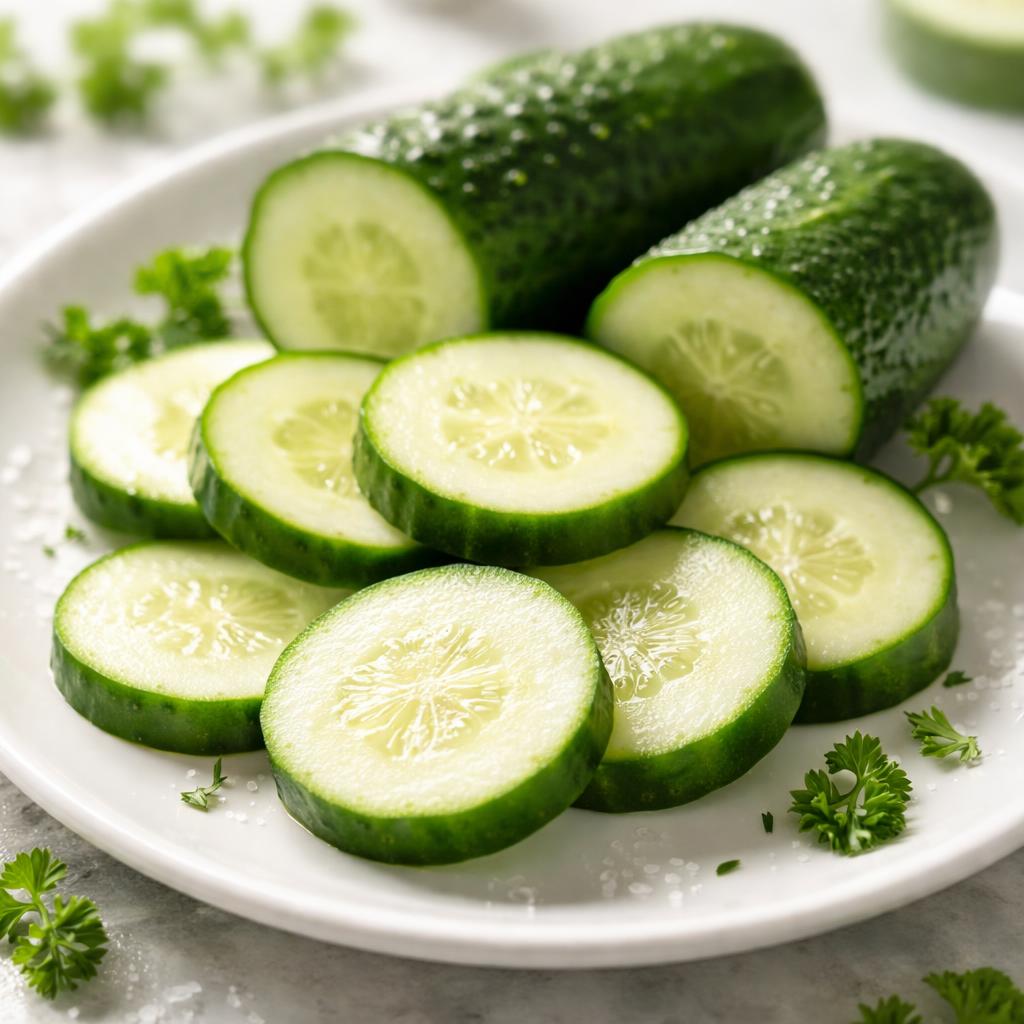
Cucumber
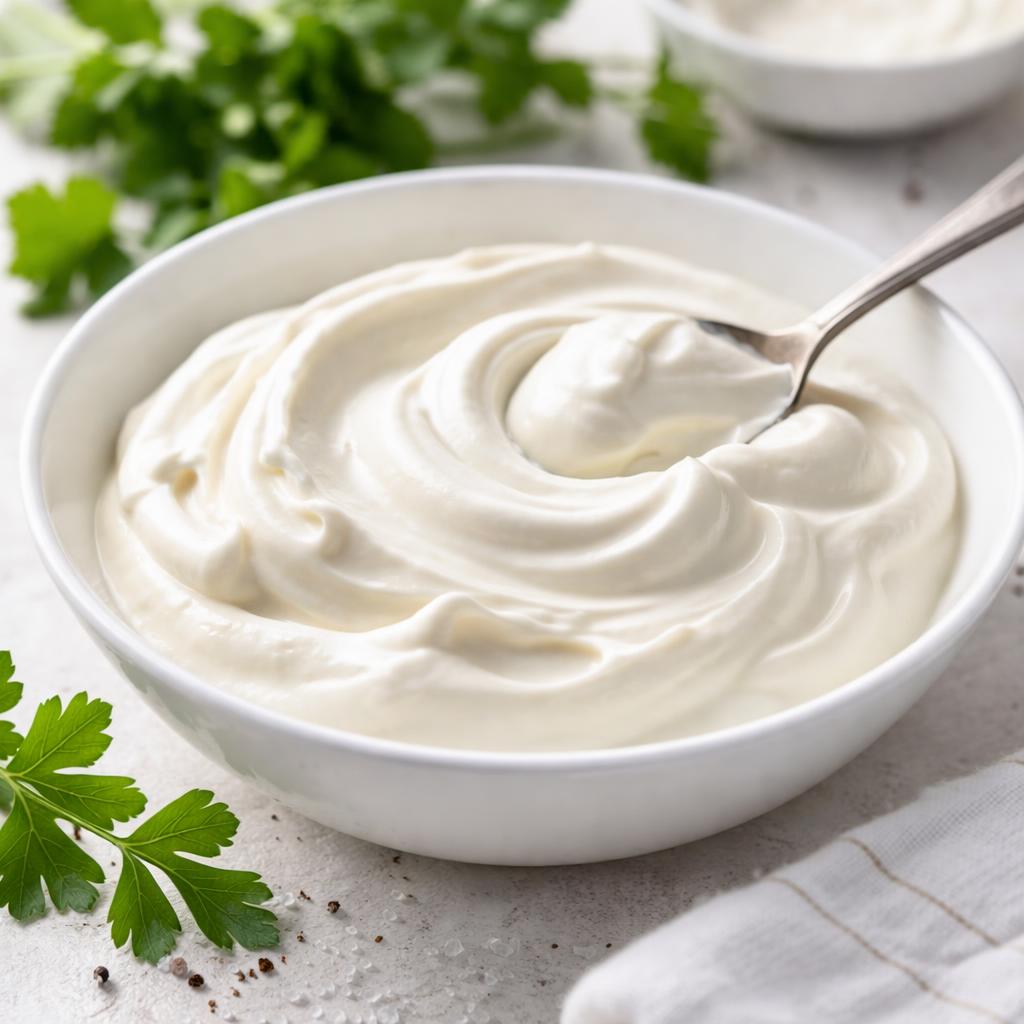
Sour Cream
🎯 Quick Verdict
Cucumber is a low-calorie, water-rich vegetable that provides modest fiber and vitamins, making it ideal for hydration and digestion. Sour cream is higher in calories and fat but offers more protein and certain fat-soluble vitamins, making it suitable for adding creaminess and richness to meals. Choose based on your nutritional goals and dish requirements.

Smart Nutrition Tracking with SnapCalorie

📊 Nutritional Comparison
Macronutrients
| Nutrient | Food 1 | Food 2 | Winner |
|---|---|---|---|
| Calories | 12 kcal (per 100g) | 193 kcal (per 100g) | ✓ |
| Protein | 0.6g | 2.1g | ✓ |
| Carbs | 2.1g | 4.6g | ✓ |
| Fat | 0.1g | 20g | ✓ |
| Fiber | 0.7g | 0g | ✓ |
Vitamins & Minerals
| Nutrient | Food 1 | Food 2 | Winner |
|---|---|---|---|
| Vitamin A | 105 IU | 460 IU | ✓ |
| Vitamin C | 2.8mg | 0mg | ✓ |
| Calcium | 16mg | 101mg | ✓ |
| Iron | 0.3mg | 0.1mg | ✓ |
🏆 Category Winners
Protein
Sour cream contains more than three times the protein of cucumber per 100g.
Fiber
Cucumber has 0.7g of fiber while sour cream contains none.
Calories
Cucumber has significantly fewer calories than sour cream, making it better for weight loss.
🥗 Diet Compatibility
Keto
Food 1: Compatible
Food 2: Compatible
Both are low in carbohydrates; sour cream's high fat content makes it ideal for keto.
Vegan
Food 1: Compatible
Food 2: Not Compatible
Cucumber is fully plant-based; sour cream is dairy-based.
Gluten Free
Food 1: Compatible
Food 2: Compatible
Neither contains gluten.
Paleo
Food 1: Compatible
Food 2: Not Compatible
Cucumber fits paleo guidelines; sour cream does not due to dairy content.
Low-Carb
Food 1: Compatible
Food 2: Compatible
Both foods have low carbohydrate counts suitable for low-carb diets.
💪 Health Benefits Comparison
Food 1 Benefits
- Hydrates the body due to its high water content
- Contributes to digestive health owing to its fiber
- Contains vitamin C for immune system support
- Low in calories, making it ideal for weight loss
Food 2 Benefits
- Provides fat-soluble vitamins like A for eye health
- Contains healthy fats that support satiety
- A modest source of protein for tissue repair
- Adds creaminess to recipes for improved texture and taste
✅ The Bottom Line
Cucumber is the better choice for those focused on hydration, weight loss, and nutrient density with fewer calories. Sour cream is better for enhancing the richness of dishes due to its higher calorie and fat content. Use cucumber in salads and snacks, and sour cream in moderation as a complement to meals.
Choose Food 1 for: Hydration, weight management, light snacks
Choose Food 2 for: Creamy dishes, ketogenic diets, occasional indulgence


