Cucumber VS Sliced Cucumber
A detailed nutritional comparison
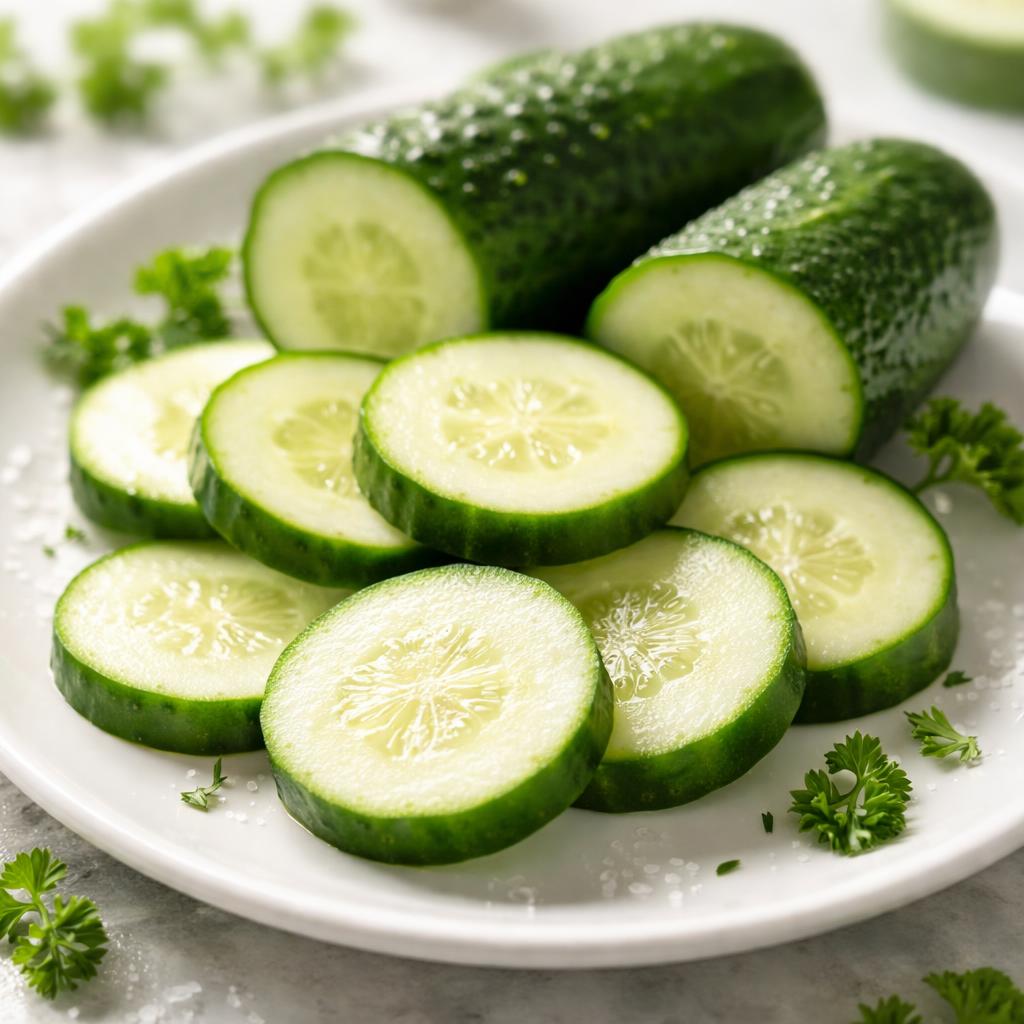
Cucumber
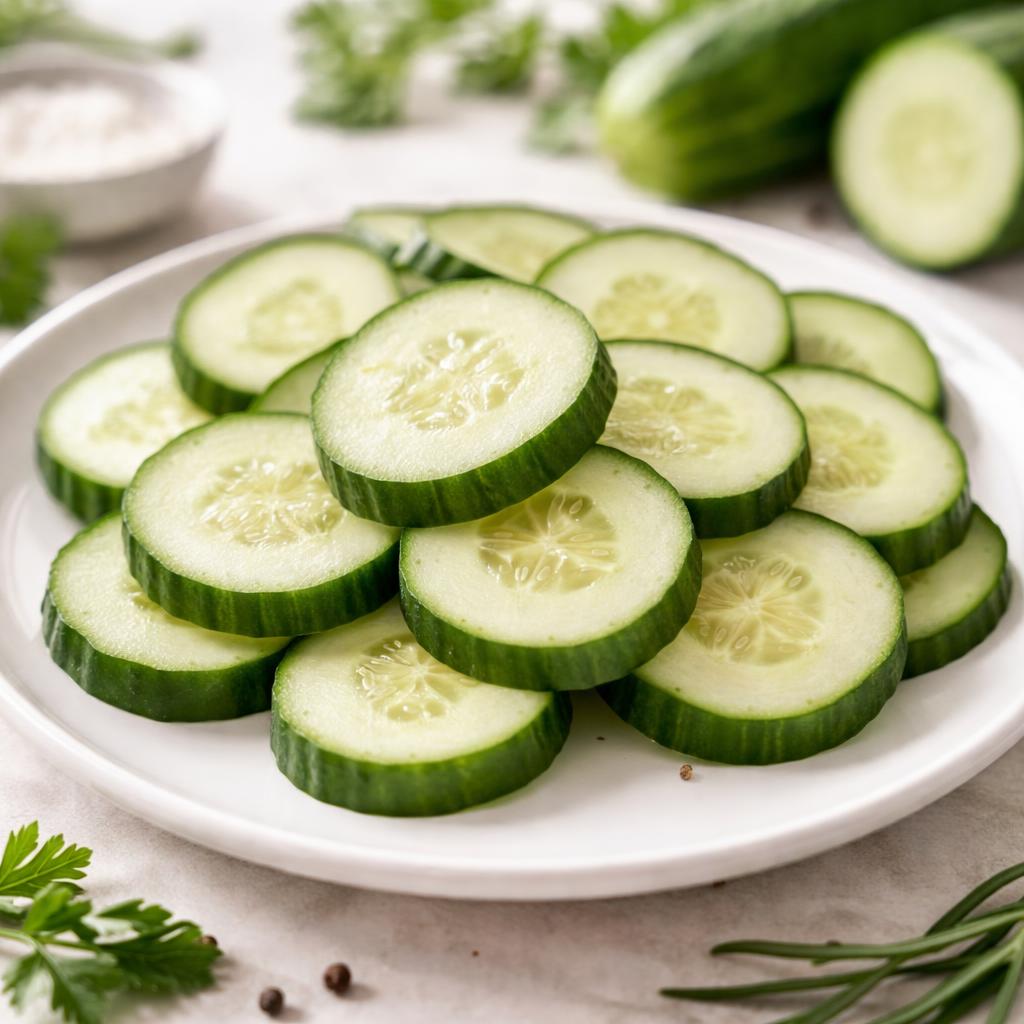
Sliced Cucumber
🎯 Quick Verdict
Cucumber and sliced cucumber are nutritionally identical as slicing does not alter nutrient content. Both are extremely low in calories, rich in water content, and provide small amounts of fiber. Their high water percentage makes them ideal for hydration and weight management purposes.

Smart Nutrition Tracking with SnapCalorie

📊 Nutritional Comparison
Macronutrients
| Nutrient | Food 1 | Food 2 | Winner |
|---|---|---|---|
| Calories | 15 | 15 | − |
| Protein | 0.6g | 0.6g | − |
| Carbs | 3.6g | 3.6g | − |
| Fat | 0.2g | 0.2g | − |
| Fiber | 0.5g | 0.5g | − |
Vitamins & Minerals
| Nutrient | Food 1 | Food 2 | Winner |
|---|---|---|---|
| Vitamin C | 3mg | 3mg | − |
| Vitamin K | 16.4mcg | 16.4mcg | − |
| Potassium | 193mg | 193mg | − |
🏆 Category Winners
Protein
Both food1 and food2 contain 0.6g protein per serving.
Fiber
Both food1 and food2 provide 0.5g of fiber.
Calories
Food1 and food2 each have only 15 calories per serving, making them ideal for low-calorie diets.
🥗 Diet Compatibility
Keto
Food 1: Compatible
Food 2: Compatible
Cucumber is low-carb and keto-friendly with 3.6g carbs per serving.
Vegan
Food 1: Compatible
Food 2: Compatible
Both are plant-based and vegan-friendly.
Gluten Free
Food 1: Compatible
Food 2: Compatible
Neither contains gluten.
Paleo
Food 1: Compatible
Food 2: Compatible
Cucumber is a whole, natural food allowed on a paleo diet.
Low-Carb
Food 1: Compatible
Food 2: Compatible
3.6g carbs per serving makes cucumber suitable for low-carb diets.
💪 Health Benefits Comparison
Food 1 Benefits
- High water content aids hydration
- Low calorie density supports weight management
- Contains antioxidants for cell protection
- Rich in potassium to support heart health
Food 2 Benefits
- Convenient, pre-cut option for snacking
- Promotes hydration with high water content
- Low calorie density helps with weight loss
- Provides small amounts of vitamins and minerals for overall health
✅ The Bottom Line
Since cucumber and sliced cucumber are nutritionally identical, the choice depends more on convenience than nutritional differences. Sliced cucumber is ready to eat, making it ideal for snacking and salads, while whole cucumbers offer more flexibility for cooking and prep options.
Choose Food 1 for: Whole cooking, slicing for recipes, meal preparation flexibility
Choose Food 2 for: Quick snacks, pre-cut convenience, packed lunches


