Cucumber VS Shredded Beef
A detailed nutritional comparison
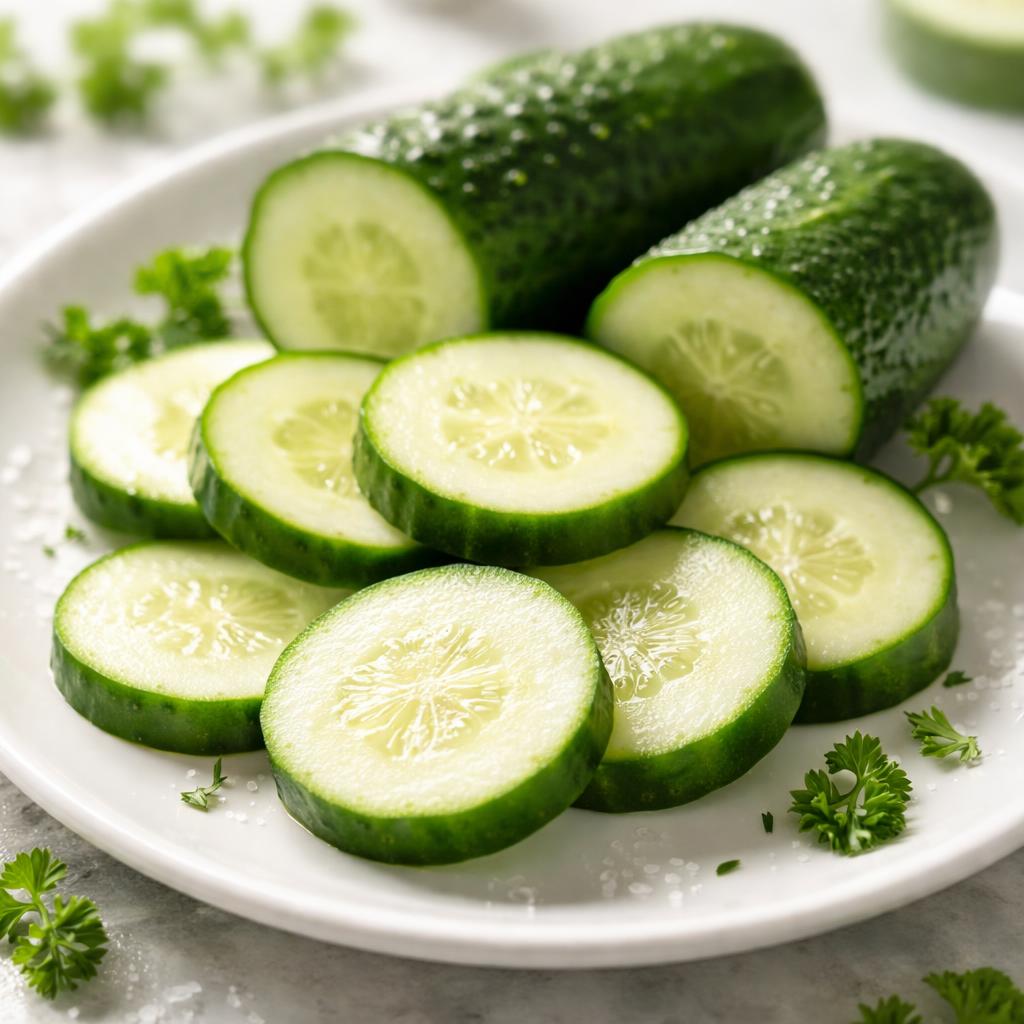
Cucumber
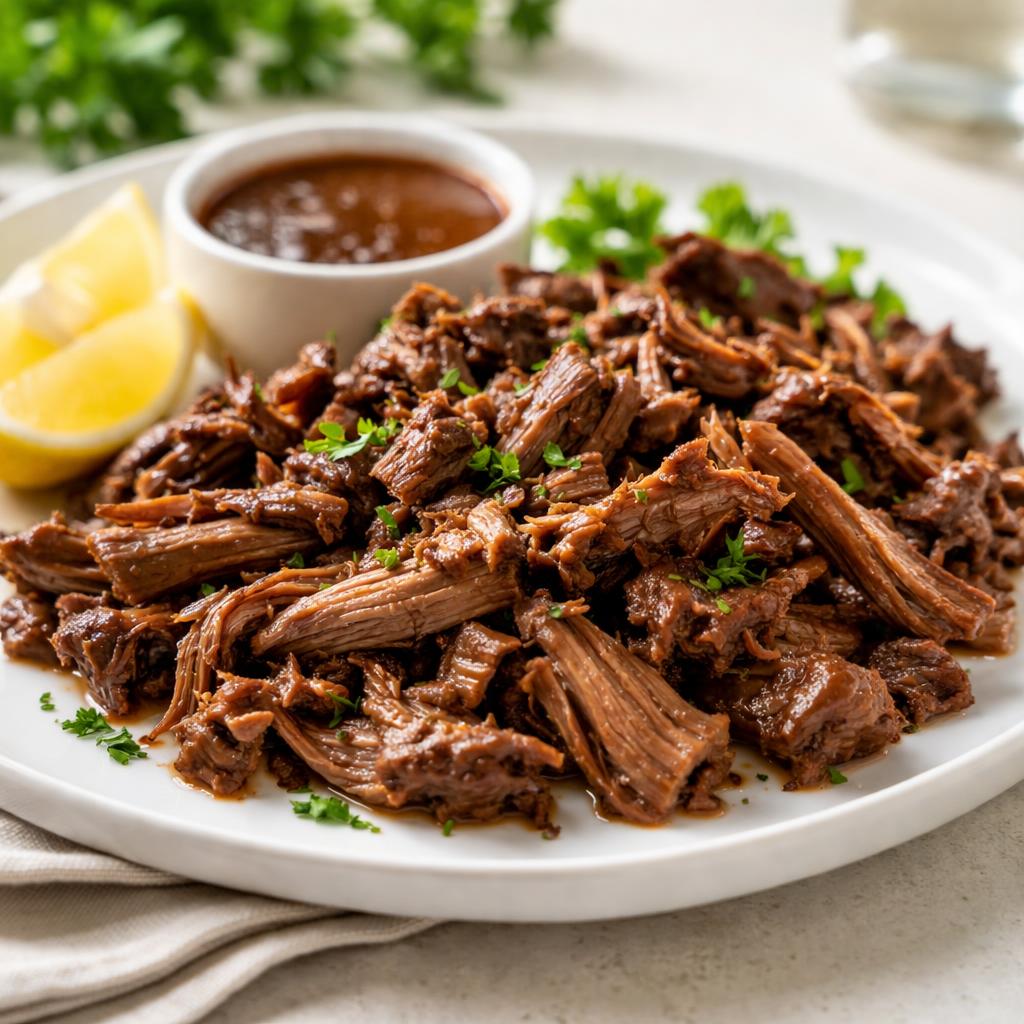
Shredded Beef
🎯 Quick Verdict
Cucumber is lower in calories and higher in fiber, making it ideal for weight management and digestion. Shredded beef is rich in protein and offers essential nutrients like iron and zinc, making it perfect for muscle building and energy. Both foods have their niche in specific dietary plans, depending on nutritional priorities.

Smart Nutrition Tracking with SnapCalorie

📊 Nutritional Comparison
Macronutrients
| Nutrient | Food 1 | Food 2 | Winner |
|---|---|---|---|
| Calories | 15 kcal (per 100g) | 250 kcal (per 100g) | ✓ |
| Protein | 0.7g | 26g | ✓ |
| Carbs | 3.6g | 0g | ✓ |
| Fat | 0.1g | 20g | ✓ |
| Fiber | 0.5g | 0g | ✓ |
Vitamins & Minerals
| Nutrient | Food 1 | Food 2 | Winner |
|---|---|---|---|
| Vitamin K | 16mcg | 2.9mcg | ✓ |
| Vitamin C | 2.8mg | 0mg | ✓ |
| Iron | 0.3mg | 2.6mg | ✓ |
| Zinc | 0.1mg | 4.2mg | ✓ |
🏆 Category Winners
Protein
Shredded beef contains significantly higher protein, nearly 37x more than cucumber.
Fiber
Cucumber provides dietary fiber, whereas shredded beef contains none.
Calories
Cucumber is very low in calories, 94% less than shredded beef.
Vitamins
Both contribute different essential vitamins—cucumber excels in Vitamin K and C, while beef is superior in iron and zinc.
🥗 Diet Compatibility
Keto
Food 1: Compatible
Food 2: Compatible
Both foods are low in carbs and compatible with a keto diet.
Vegan
Food 1: Compatible
Food 2: Not Compatible
Cucumber is plant-based, while shredded beef is animal-derived.
Gluten Free
Food 1: Compatible
Food 2: Compatible
Neither food contains gluten.
Paleo
Food 1: Compatible
Food 2: Compatible
Both foods align with paleo diet standards.
Low-Carb
Food 1: Compatible
Food 2: Compatible
Both foods are low in carbohydrates and suitable for low-carb diets.
💪 Health Benefits Comparison
Food 1 Benefits
- Low in calories, great for weight management
- Contains antioxidants like Vitamin C for immune health
- Good source of hydration due to high water content
- Provides Vitamin K for bone and blood health
Food 2 Benefits
- Rich in high-quality protein to support muscle repair and growth
- Excellent source of iron for oxygen transport and energy production
- Contains zinc to support immune function and wound healing
- Provides healthy fats for energy and nutrient absorption
✅ The Bottom Line
Cucumber is perfect for low-calorie, hydrating snacking or as a fiber-rich addition to meals, while shredded beef is better suited for those needing high protein and iron, such as athletes or individuals recovering from illness. Both are complementary depending on your dietary goals.
Choose Food 1 for: Weight management, hydration, immune support
Choose Food 2 for: Muscle building, energy, supporting iron needs


