Cucumber VS Red Wine
A detailed nutritional comparison
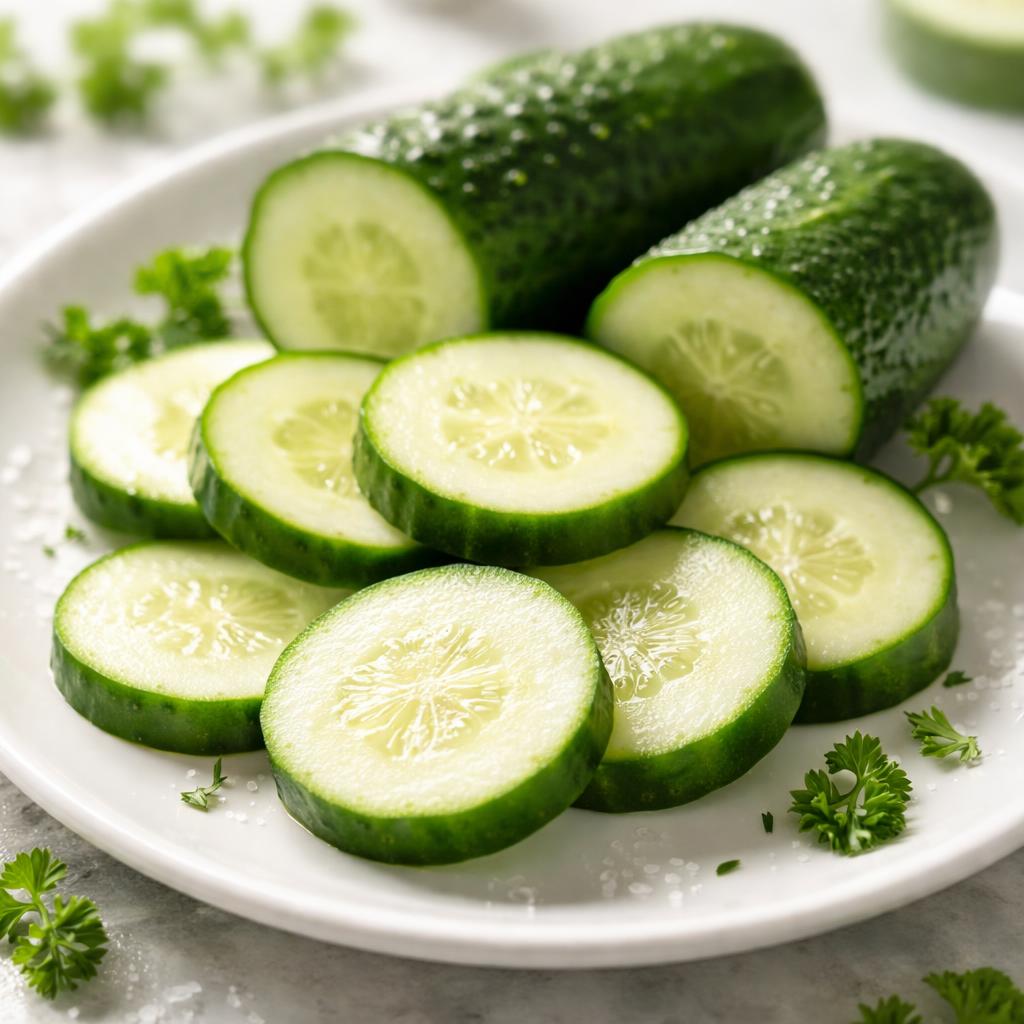
Cucumber
Red Wine
🎯 Quick Verdict
Cucumber is a low-calorie, nutrient-dense vegetable great for hydration and fiber, while red wine is calorie-dense but rich in antioxidants like resveratrol. Cucumber works best for weight management and digestion, while red wine (in moderation) offers certain heart health benefits due to its polyphenols.

Smart Nutrition Tracking with SnapCalorie

📊 Nutritional Comparison
Macronutrients
| Nutrient | Food 1 | Food 2 | Winner |
|---|---|---|---|
| Calories | 16 per 100g | 85 per 100ml | ✓ |
| Protein | 0.7g per 100g | 0.1g per 100ml | ✓ |
| Carbs | 3.6g per 100g | 2.6g per 100ml | ✓ |
| Fat | 0.1g per 100g | 0g per 100ml | − |
| Fiber | 0.5g per 100g | 0g per 100ml | ✓ |
Vitamins & Minerals
| Nutrient | Food 1 | Food 2 | Winner |
|---|---|---|---|
| Vitamin C | 2.8mg per 100g | 0mg per 100ml | ✓ |
| Potassium | 147mg per 100g | 99mg per 100ml | ✓ |
| Iron | 0.3mg per 100g | 0.5mg per 100ml | ✓ |
🏆 Category Winners
Protein
Cucumber contains 600% more protein than red wine per gram.
Fiber
Cucumber contains dietary fiber, which red wine lacks entirely.
Calories
Cucumber is significantly lower in calories compared to red wine.
Vitamins
Cucumber offers a broader range of essential vitamins like vitamin C and potassium.
🥗 Diet Compatibility
Keto
Food 1: Compatible
Food 2: Compatible
Both are low in carbs and keto-friendly in controlled portions.
Vegan
Food 1: Compatible
Food 2: Compatible
Both cucumber and red wine are plant-based.
Gluten Free
Food 1: Compatible
Food 2: Compatible
Neither contains gluten.
Paleo
Food 1: Compatible
Food 2: Not Compatible
Cucumber aligns with paleo guidelines, but red wine is excluded due to fermentation sugar content.
Low Carb
Food 1: Compatible
Food 2: Compatible
Both are relatively low in carbohydrates, particularly red wine in moderation.
💪 Health Benefits Comparison
Food 1 Benefits
- Supports hydration due to high water content.
- Aids digestion and promotes gut health with fiber.
- Provides antioxidants like vitamin C for immune function.
Food 2 Benefits
- Rich in polyphenols and resveratrol for heart health.
- Contains antioxidants that may reduce oxidative stress.
- Iron content contributes to better oxygen transport in the body.
✅ The Bottom Line
Choose cucumber for a refreshing, low-calorie option packed with vitamins and fiber, ideal for weight management and hydration. Opt for red wine in moderation if seeking heart-health benefits and antioxidants. They serve very different dietary purposes.
Choose Food 1 for: Hydration, weight loss, digestion support
Choose Food 2 for: Heart health, antioxidants, relaxation moments


