Cucumber VS Red Onions
A detailed nutritional comparison
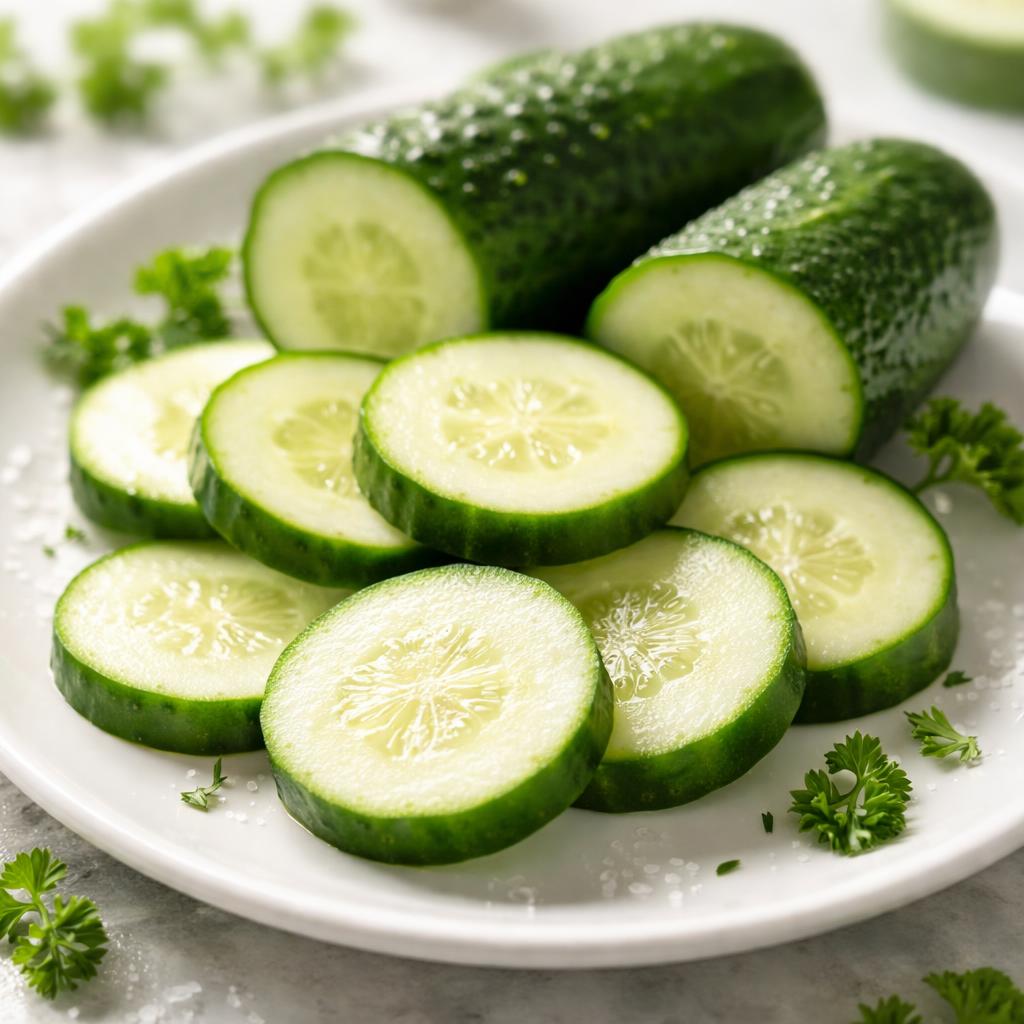
Cucumber
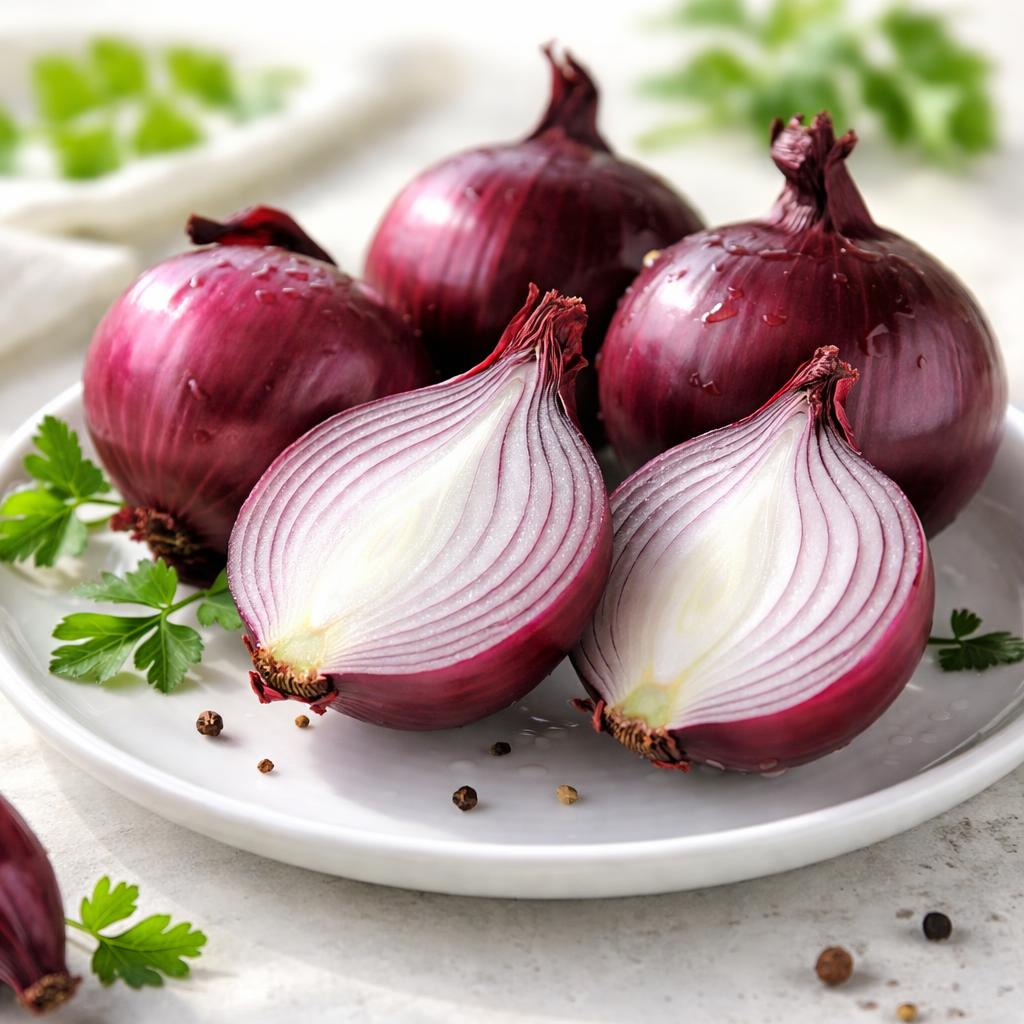
Red Onions
🎯 Quick Verdict
Cucumber is lower in calories and provides more hydration due to its higher water content, while red onions are nutrient-dense, offering more vitamins, fiber, and antioxidants. Cucumbers are better for weight loss and hydration, while red onions provide higher fiber and better support for heart and immune health.

Smart Nutrition Tracking with SnapCalorie

📊 Nutritional Comparison
Macronutrients
| Nutrient | Food 1 | Food 2 | Winner |
|---|---|---|---|
| Calories | 15 | 40 | ✓ |
| Protein | 0.7g | 0.9g | − |
| Carbs | 3.6g | 9g | ✓ |
| Fat | 0.1g | 0.1g | − |
| Fiber | 0.5g | 1.5g | ✓ |
Vitamins & Minerals
| Nutrient | Food 1 | Food 2 | Winner |
|---|---|---|---|
| Vitamin C | 2.8mg (4% DV) | 7.4mg (12% DV) | ✓ |
| Vitamin K | 16.4mcg (14% DV) | 0.5mcg (<1% DV) | ✓ |
| Potassium | 150mg | 146mg | ✓ |
🏆 Category Winners
Protein
Both foods have similar protein content, under 1g per serving.
Fiber
Red onions provide three times more fiber per serving than cucumbers.
Calories
Cucumber has less than half the calories of red onion.
🥗 Diet Compatibility
Keto
Food 1: Compatible
Food 2: Compatible
Both are low-carb, making them suitable for keto diets.
Vegan
Food 1: Compatible
Food 2: Compatible
Both are plant-based and vegan-friendly.
Gluten Free
Food 1: Compatible
Food 2: Compatible
Neither food contains gluten.
Paleo
Food 1: Compatible
Food 2: Compatible
Both fit within paleo dietary guidelines.
Low Carb
Food 1: Compatible
Food 2: Compatible
Cucumber is very low-carb (3.6g), while red onion is moderate-carb (9g).
💪 Health Benefits Comparison
Food 1 Benefits
- Extremely low in calories, ideal for weight loss
- High water content supports hydration
- Good source of Vitamin K for bone health
Food 2 Benefits
- Rich in antioxidants like quercetin for immune and anti-inflammatory benefits
- Higher fiber supports digestion
- Good source of Vitamin C for immunity and skin health
✅ The Bottom Line
Choose cucumber for low-calorie meals, hydration, and refreshing salads. Opt for red onions if you're looking for a nutrient-dense addition with fiber and antioxidant benefits. Both can complement a healthy, balanced diet in unique ways.
Choose Food 1 for: Weight loss, hydration, low-calorie diets
Choose Food 2 for: Heart health, digestion, nutrient density


