Cucumber VS Prawns
A detailed nutritional comparison
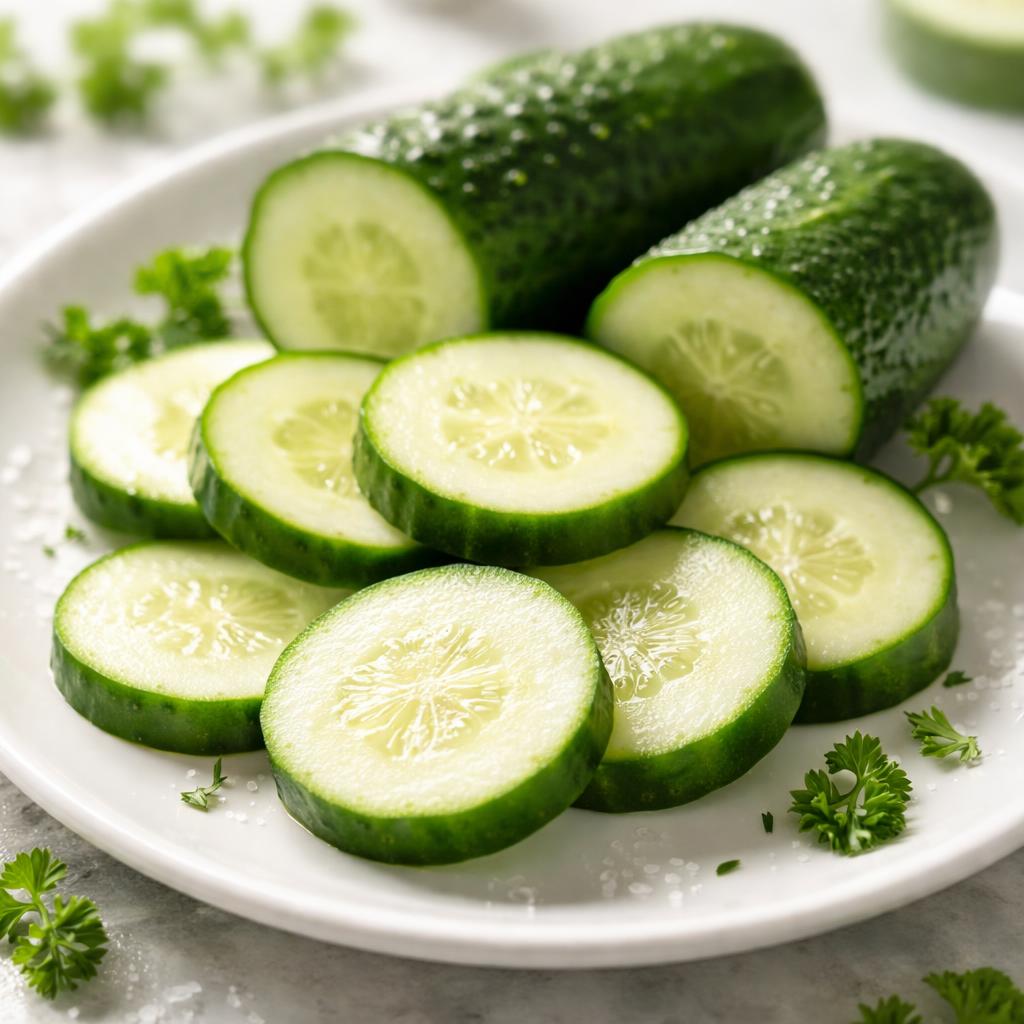
Cucumber
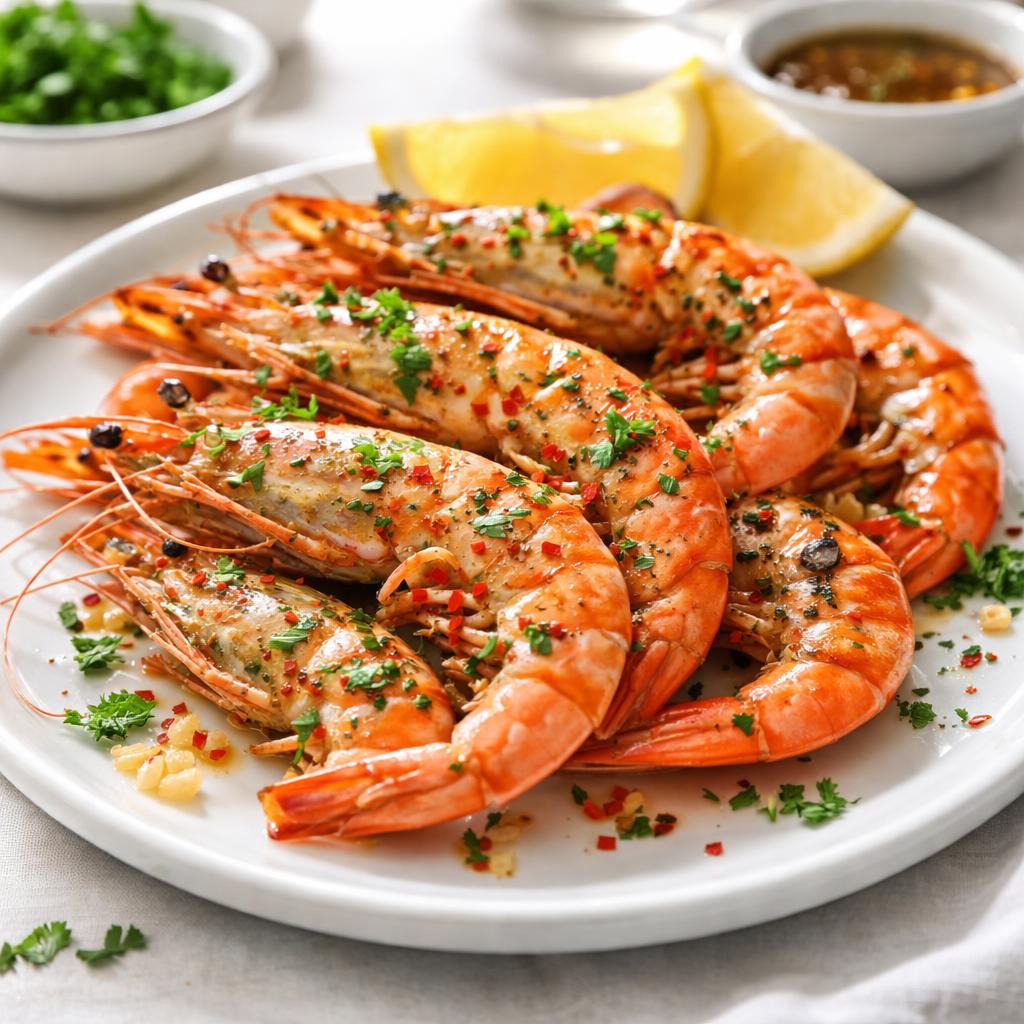
Prawns
🎯 Quick Verdict
Prawns and cucumber serve very different nutritional purposes. Prawns are a protein-rich powerhouse with essential omega-3 fatty acids, ideal for muscle growth and heart health. In contrast, cucumber is extremely low-calorie, hydrating, and a good source of fiber, best suited for weight loss and digestion goals.

Smart Nutrition Tracking with SnapCalorie

📊 Nutritional Comparison
Macronutrients
| Nutrient | Food 1 | Food 2 | Winner |
|---|---|---|---|
| Calories | 15 kcal | 99 kcal | ✓ |
| Protein | 0.7g | 24g | ✓ |
| Carbs | 3.6g | 0g | ✓ |
| Fat | 0.1g | 0.3g | ✓ |
| Fiber | 0.5g | 0g | ✓ |
Vitamins & Minerals
| Nutrient | Food 1 | Food 2 | Winner |
|---|---|---|---|
| Vitamin C | 3mg | 0mg | ✓ |
| Vitamin D | 0mcg | 2mcg | ✓ |
| Calcium | 16mg | 40mg | ✓ |
| Iron | 0.3mg | 0.5mg | ✓ |
🏆 Category Winners
Protein
Prawns contain 24g of protein per 100g, making them excellent for high-protein diets.
Fiber
Cucumber provides 0.5g of fiber per 100g, while prawns contain none.
Calories
Cucumber has just 15 calories per 100g, which is significantly lower than prawns' 99 calories.
Vitamins
Prawns excel in Vitamin D and calcium content, essential for bone health.
🥗 Diet Compatibility
Keto
Food 1: Compatible
Food 2: Compatible
Both foods are low-carb and suitable for keto diets.
Vegan
Food 1: Compatible
Food 2: Not Compatible
Cucumber is plant-based, while prawns are animal-derived.
Gluten Free
Food 1: Compatible
Food 2: Compatible
Neither contain gluten.
Paleo
Food 1: Compatible
Food 2: Compatible
Both align with paleo guidelines for whole, unprocessed foods.
Low Carb
Food 1: Compatible
Food 2: Compatible
Both foods are naturally low in carbohydrates.
💪 Health Benefits Comparison
Food 1 Benefits
- Low in calories, great for weight loss
- Hydrating due to high water content
- Contains antioxidants to reduce inflammation
- Good source of Vitamin C for immune health
Food 2 Benefits
- Rich in high-quality protein for muscle growth
- Contains omega-3 fatty acids for heart health
- Provides Vitamin D and calcium for strong bones
- Low in fat and carbs, ideal for weight management
✅ The Bottom Line
Choose prawns when your goal is boosting protein intake, supporting muscle repair, or obtaining essential omega-3s and other nutrients for overall wellness. On the other hand, opt for cucumber if your primary focus is weight loss, hydration, or improved digestion. Both foods complement each other well in a balanced diet.
Choose Food 1 for: Low-calorie diets, hydration, digestion, snacks
Choose Food 2 for: High-protein meals, post-workout recovery, heart health


