Cucumber VS Pickles
A detailed nutritional comparison
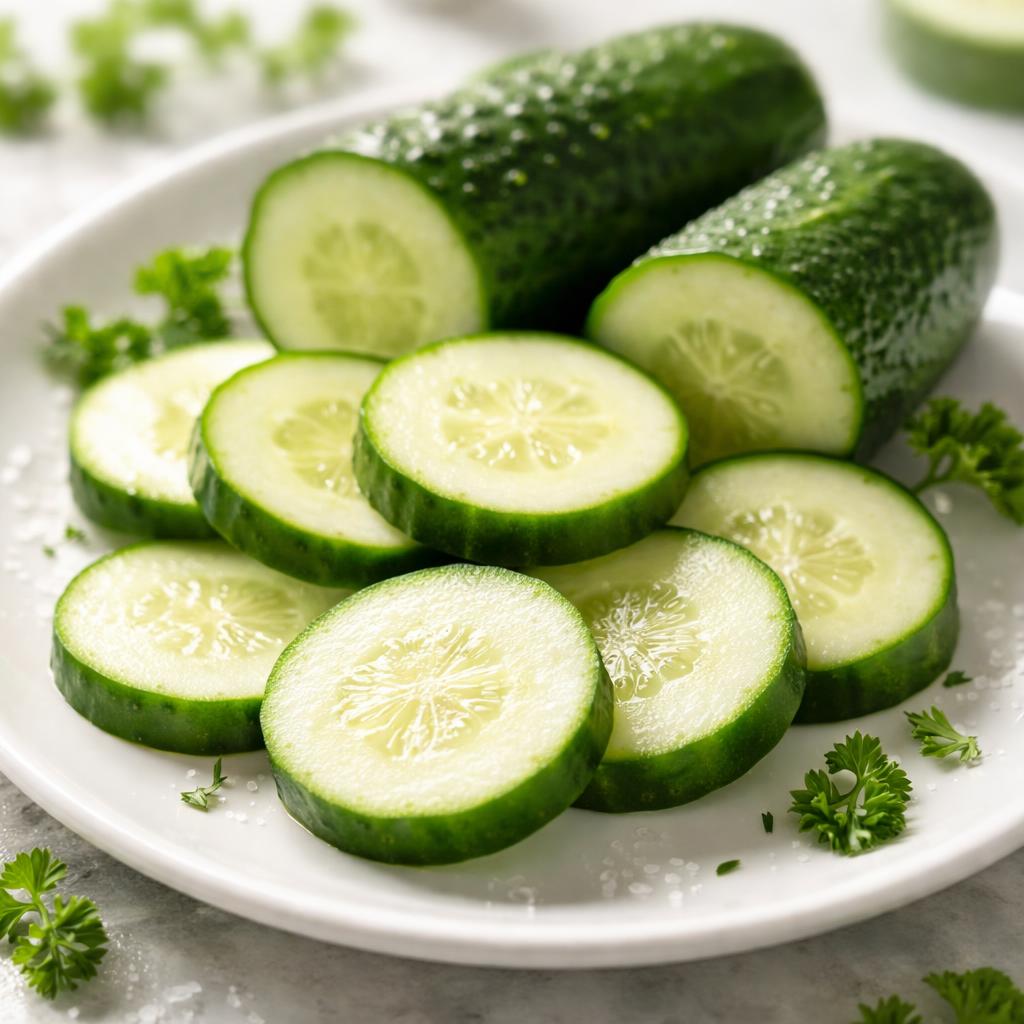
Cucumber
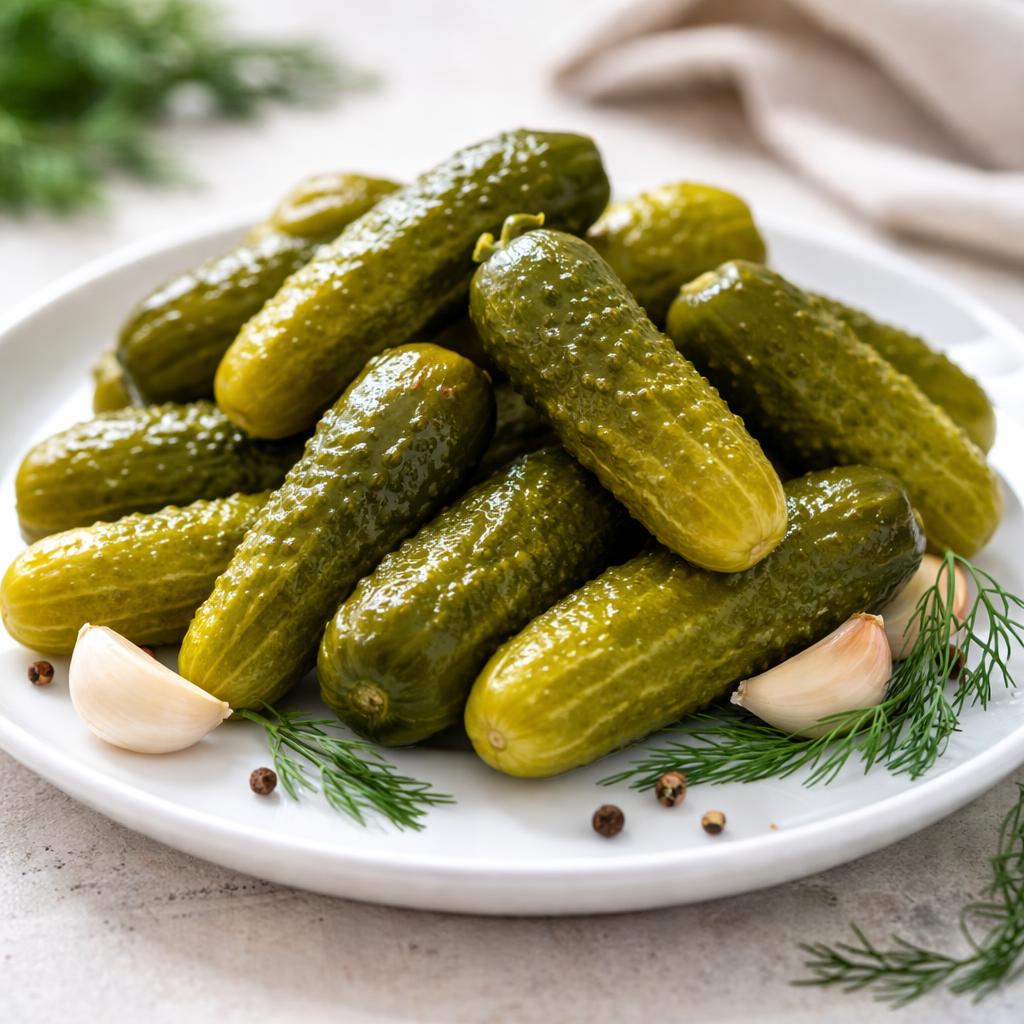
Pickles
🎯 Quick Verdict
Cucumber and pickles, though derived from the same food, differ in nutritional profiles due to the pickling process. Cucumber provides minimal calories and hydration, while pickles are slightly higher in fiber but contain more sodium. Cucumber is excellent for hydration, while pickles can be a tasty low-calorie option with enhanced flavors but require mindful sodium intake.

Smart Nutrition Tracking with SnapCalorie

📊 Nutritional Comparison
Macronutrients
| Nutrient | Food 1 | Food 2 | Winner |
|---|---|---|---|
| Calories | 15 | 11 | ✓ |
| Protein | 0.7g | 0.4g | ✓ |
| Carbs | 3.6g | 2.2g | ✓ |
| Fat | 0.1g | 0.1g | − |
| Fiber | 0.5g | 1.0g | ✓ |
Vitamins & Minerals
| Nutrient | Food 1 | Food 2 | Winner |
|---|---|---|---|
| Vitamin C | 4mg | 0.4mg | ✓ |
| Vitamin K | 16mcg | 23mcg | ✓ |
| Potassium | 193mg | 30mg | ✓ |
| Sodium | 2mg | 800mg | ✓ |
🏆 Category Winners
Protein
Both foods contain low protein and differ minimally.
Fiber
Pickles offer double the fiber compared to cucumbers.
Calories
Cucumber has slightly lower calories.
Vitamins
Cucumber is richer in vitamin C and potassium overall.
🥗 Diet Compatibility
Keto
Food 1: Compatible
Food 2: Compatible
Both foods are low in carbs, though pickles should be consumed mindfully for sodium.
Vegan
Food 1: Compatible
Food 2: Compatible
Both foods are plant-based.
Gluten Free
Food 1: Compatible
Food 2: Compatible
Neither food contains gluten.
Paleo
Food 1: Compatible
Food 2: Compatible
Both are whole foods, though processed pickles may vary by brand.
Low Carb
Food 1: Compatible
Food 2: Compatible
Both foods are extremely low in carbs.
💪 Health Benefits Comparison
Food 1 Benefits
- Excellent hydration due to high water content (95%)
- Rich in potassium for electrolyte balance
- Provides small amounts of vitamin C for immune health
Food 2 Benefits
- Good source of dietary fiber for digestion
- Provides probiotics from fermentation (if pickled naturally)
- Enhanced vitamin K content beneficial for bone health
✅ The Bottom Line
Choose cucumber for hydration, potassium, and minimal calorie content, ideal for refreshing snacks or low-calorie meals. Pickles, on the other hand, are a great low-calorie condiment or flavor enhancer with slightly higher fiber and gut health benefits, but their high sodium content should be consumed with caution.
Choose Food 1 for: Hydration, weight loss snacks, raw consumption
Choose Food 2 for: Low-calorie condiments, digestion support, flavor enhancement


