Cucumber VS Nutritional Yeast
A detailed nutritional comparison
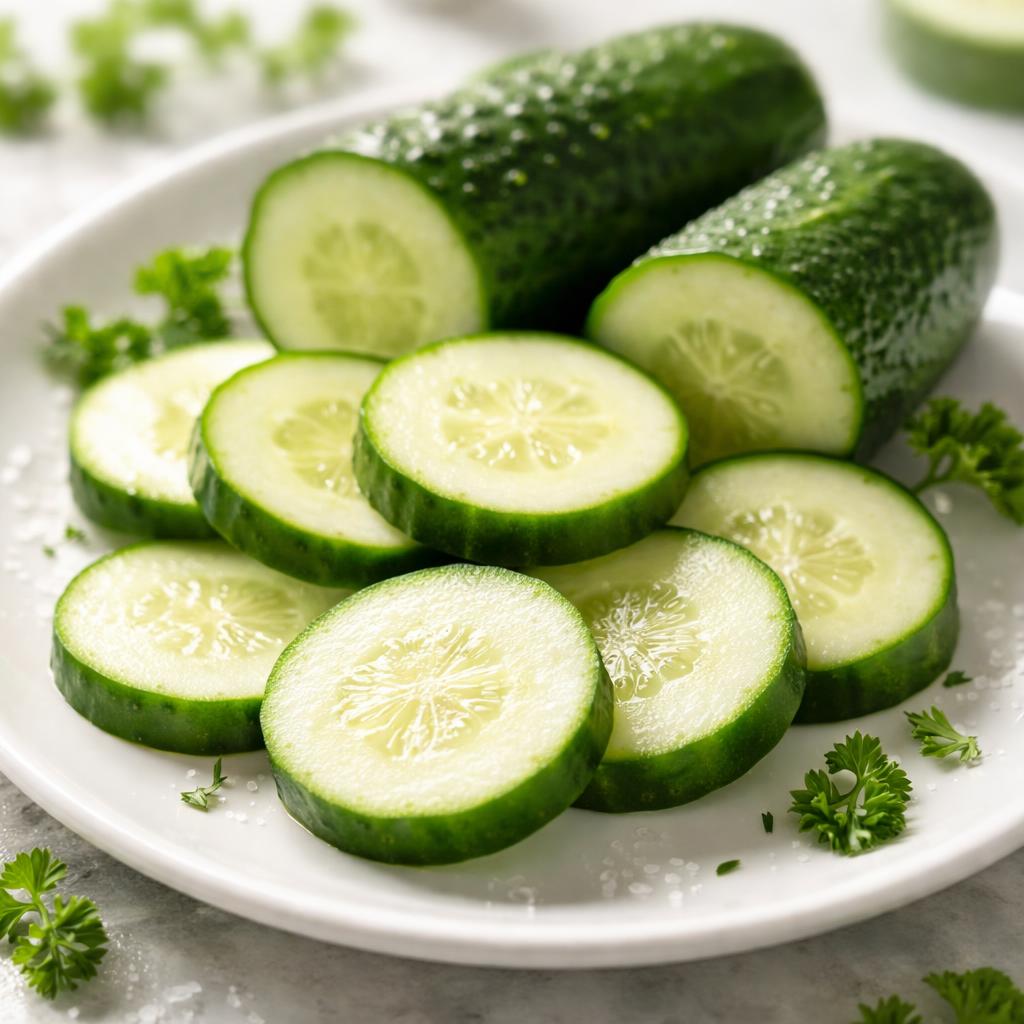
Cucumber
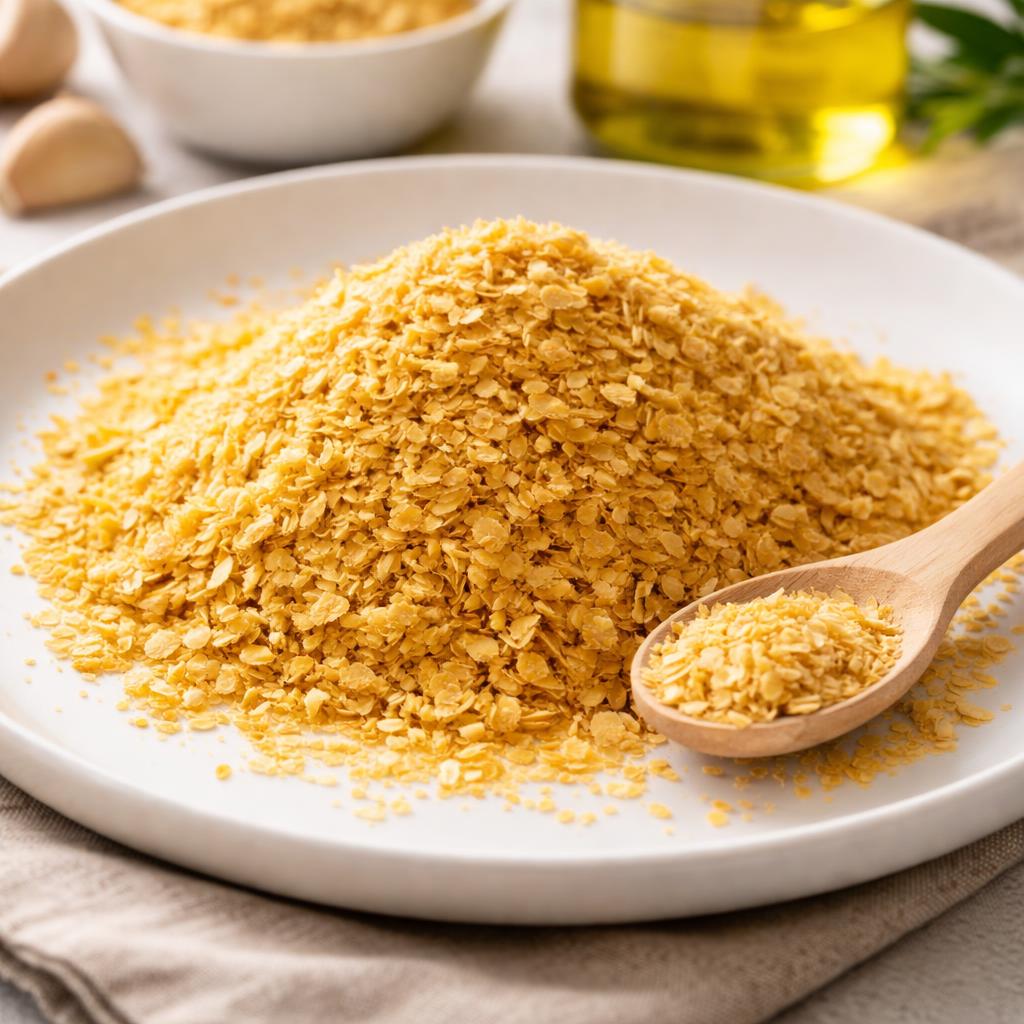
Nutritional Yeast
🎯 Quick Verdict
Cucumber offers very low calories and hydration, making it ideal for weight loss and refreshing snacks. Nutritional yeast is far richer in protein, fiber, and vitamins, making it better for nutritional density and plant-based protein. Choose cucumber for light eating and nutritional yeast for supplementation or recipe enhancement.

Smart Nutrition Tracking with SnapCalorie

📊 Nutritional Comparison
Macronutrients
| Nutrient | Food 1 | Food 2 | Winner |
|---|---|---|---|
| Calories | 16 | 71 | ✓ |
| Protein | 0.6g | 9g | ✓ |
| Carbs | 3.6g | 5.1g | ✓ |
| Fat | 0.1g | 1g | ✓ |
| Fiber | 0.5g | 4g | ✓ |
Vitamins & Minerals
| Nutrient | Food 1 | Food 2 | Winner |
|---|---|---|---|
| Vitamin B12 | 0mcg | 3.5mcg (fortified) | ✓ |
| Vitamin C | 3mg | 0mg | ✓ |
| Calcium | 16mg | 19mg | ✓ |
| Iron | 0.3mg | 1.2mg | ✓ |
🏆 Category Winners
Protein
Nutritional yeast delivers 9g of protein per serving compared to cucumber's negligible 0.6g.
Fiber
Nutritional yeast contains significantly more fiber (4g) than cucumber (0.5g).
Calories
Cucumber is extremely low calorie with only 16 calories per serving, making it lighter than nutritional yeast (71 calories).
🥗 Diet Compatibility
Keto
Food 1: Compatible
Food 2: Compatible
Both are low-carb enough to fit into a keto diet.
Vegan
Food 1: Compatible
Food 2: Compatible
Both are plant-based and vegan-friendly.
Gluten Free
Food 1: Compatible
Food 2: Compatible
Neither food contains gluten.
Paleo
Food 1: Compatible
Food 2: Not Compatible
Cucumber is paleo-friendly, but nutritional yeast is not typically considered paleo due to its processing.
Low-Carb
Food 1: Highly Compatible
Food 2: Compatible
Cucumber is extremely low in carbs (3.6g per serving) compared to nutritional yeast (5.1g).
💪 Health Benefits Comparison
Food 1 Benefits
- Very low calorie, ideal for weight loss
- Rich in hydration (95% water)
- Contains vitamin C to support immune health
- Offers trace minerals like potassium for electrolyte balance
Food 2 Benefits
- High in complete protein for plant-based diets
- Rich in fiber for improved digestion
- Good source of B vitamins, including B12 if fortified
- Contains antioxidants and trace minerals such as iron
✅ The Bottom Line
Cucumber is best for minimal calories, hydration, and light snacking, while nutritional yeast is a powerhouse of protein, fiber, and nutrients, especially for vegans needing B12. Opt for cucumber to complement meals with freshness and nutritional yeast to boost protein and nutrient intake.
Choose Food 1 for: Weight loss, hydration, refreshing snacks
Choose Food 2 for: Plant-based protein supplementation, nutrient density, recipe enhancement


