Cucumber VS Mustard
A detailed nutritional comparison
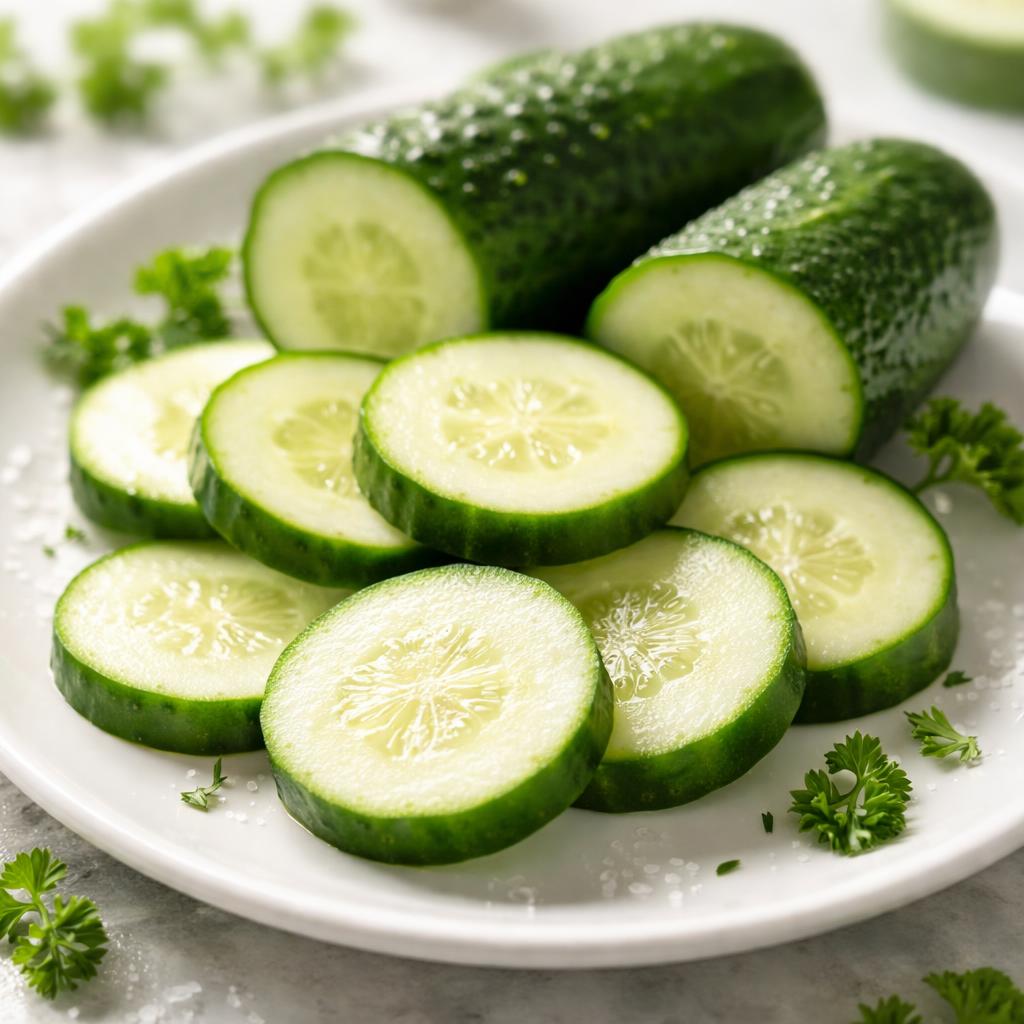
Cucumber
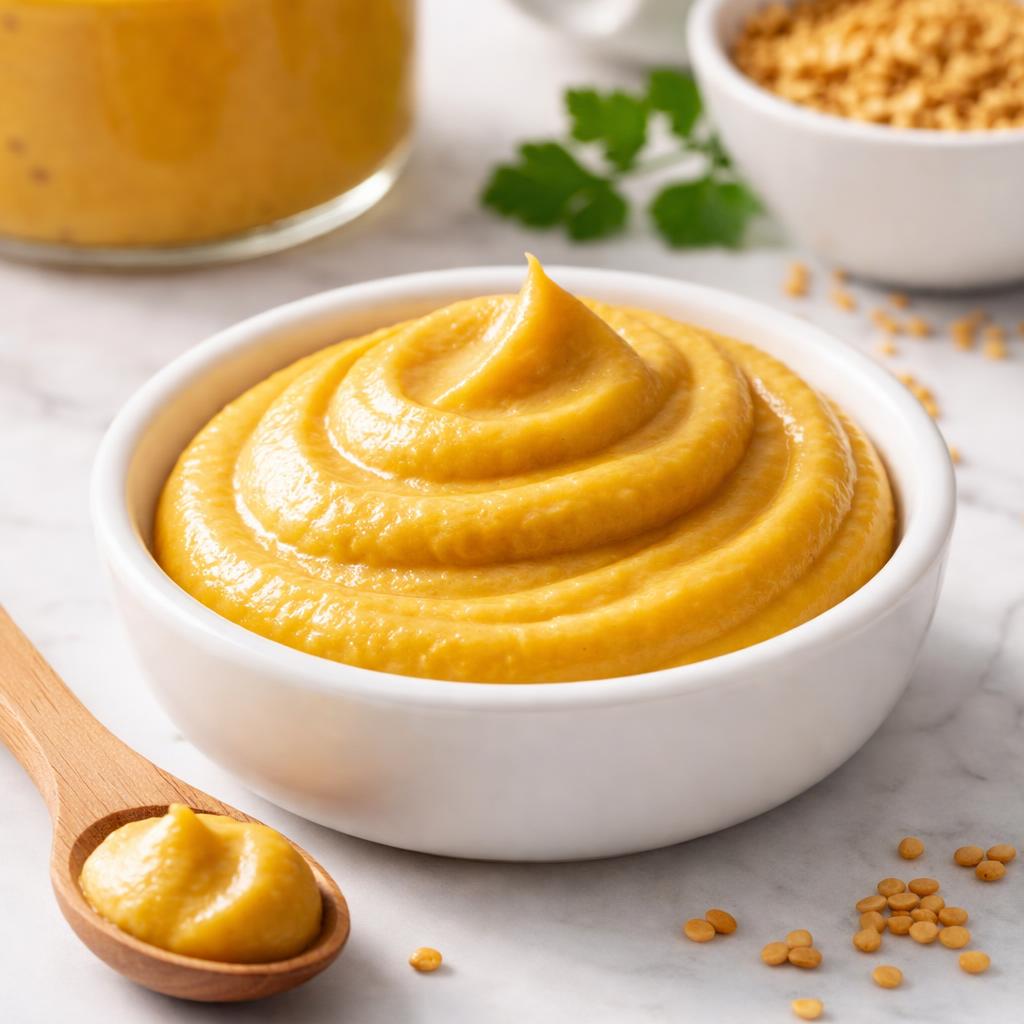
Mustard
🎯 Quick Verdict
Cucumber is a low-calorie, hydrating vegetable rich in fiber, while mustard is a condiment with more protein and sodium but fewer carbs. Cucumber is excellent for weight management and hydration, whereas mustard adds flavor and small amounts of protein and minerals to meals without significant calories.

Smart Nutrition Tracking with SnapCalorie

📊 Nutritional Comparison
Macronutrients
| Nutrient | Food 1 | Food 2 | Winner |
|---|---|---|---|
| Calories | 15 | 65 | ✓ |
| Protein | 0.7g | 3.2g | ✓ |
| Carbs | 3.6g | 7g | ✓ |
| Fat | 0.1g | 4g | ✓ |
| Fiber | 0.5g | 0.3g | ✓ |
Vitamins & Minerals
| Nutrient | Food 1 | Food 2 | Winner |
|---|---|---|---|
| Vitamin C | 3.2mg | 0mg | ✓ |
| Vitamin K | 16.4mcg | 57mcg | ✓ |
| Calcium | 16mg | 9mg | ✓ |
| Potassium | 136mg | 11mg | ✓ |
| Sodium | 2mg | 650mg | ✓ |
🏆 Category Winners
Protein
Food2 has over 4 times more protein per serving compared to cucumber.
Fiber
Cucumber has higher fiber content per serving.
Calories
Cucumber is extremely low in calories, making it ideal for calorie-conscious diets.
Vitamins
Cucumber provides higher levels of vitamin C, potassium, and calcium.
🥗 Diet Compatibility
Keto
Food 1: Compatible
Food 2: Compatible
Both foods are low-carb and suitable for keto diets.
Vegan
Food 1: Compatible
Food 2: Compatible
Both are plant-based foods.
Gluten Free
Food 1: Compatible
Food 2: Compatible
Neither food contains gluten.
Paleo
Food 1: Compatible
Food 2: Compatible
Both foods meet paleo diet guidelines.
Low-Carb
Food 1: Compatible
Food 2: Compatible
Both foods are low in carbohydrates.
💪 Health Benefits Comparison
Food 1 Benefits
- Hydrating due to high water content
- Low in calories, ideal for weight management
- Rich in potassium for heart health
- Contains antioxidants like vitamin C
Food 2 Benefits
- Provides flavor without significant calories
- Contains selenium and magnesium for metabolic health
- High in sodium for electrolytes
- Small protein boost for nutritional value
✅ The Bottom Line
Cucumber is perfect for hydration, fiber, and low-calorie diets, ideal for a refreshing snack or salad addition. Mustard is best used as a flavorful condiment with minor protein and mineral benefits but higher sodium levels. Choose cucumber for weight loss and hydration; select mustard for enhancing meals with bold flavor and slight nutritional value.
Choose Food 1 for: Weight loss, hydration, digestion, snacking
Choose Food 2 for: Condiment enhancement, flavoring, protein boost


