Cucumber VS Mini Cucumber
A detailed nutritional comparison
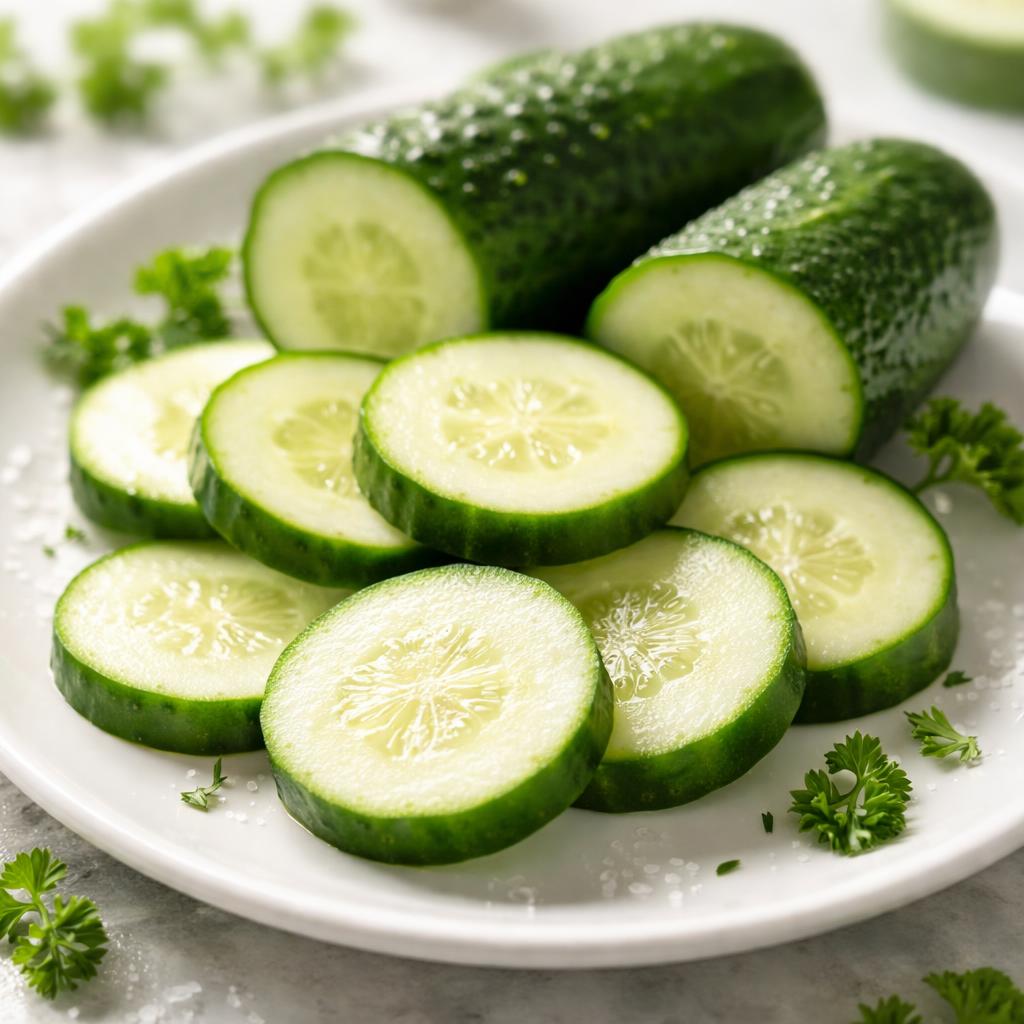
Cucumber
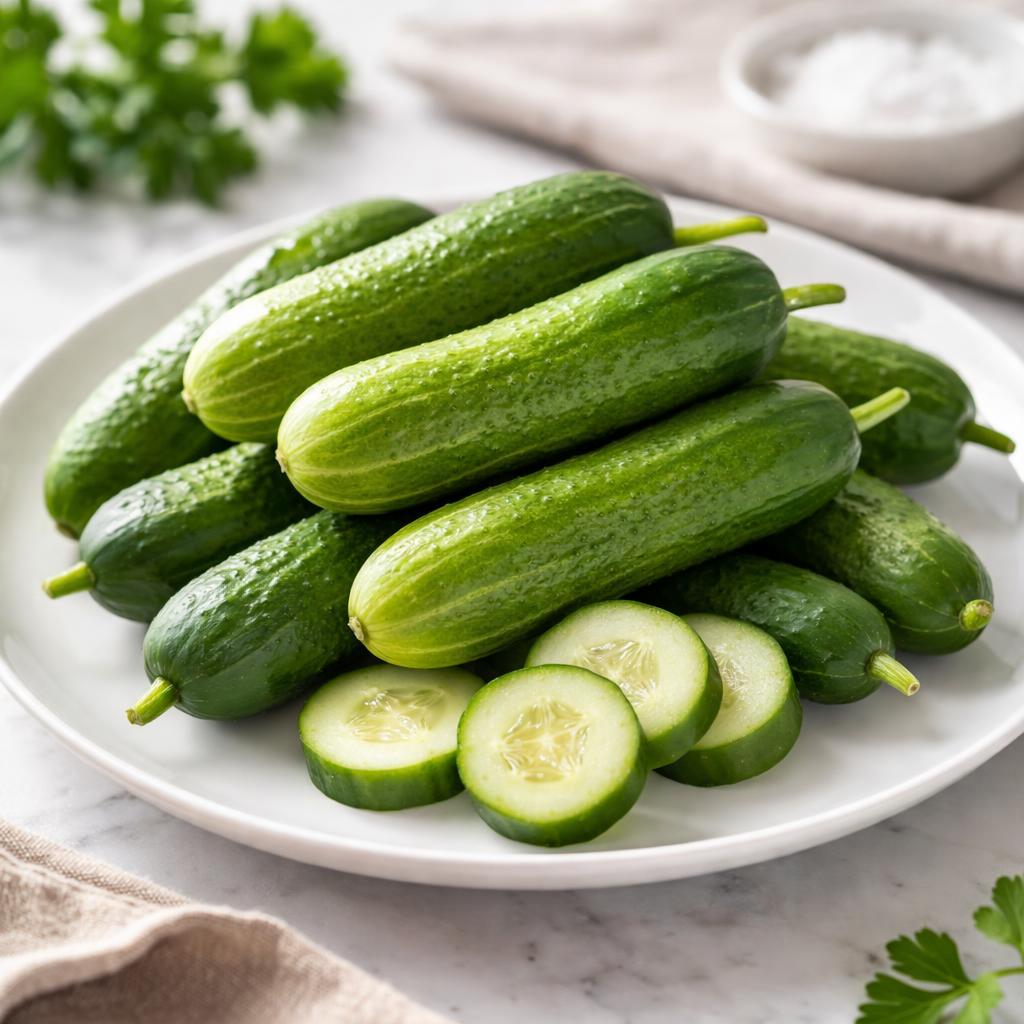
Mini Cucumber
🎯 Quick Verdict
Cucumber and mini cucumber are nutritionally similar, with very slight differences in water content and size per serving. Both are extremely low in calories, provide small amounts of fiber, and are primarily a hydrating snack option. Mini cucumbers may be preferable for portion control and convenience, while regular cucumbers are better for large recipes like salads or juices.

Smart Nutrition Tracking with SnapCalorie

📊 Nutritional Comparison
Macronutrients
| Nutrient | Food 1 | Food 2 | Winner |
|---|---|---|---|
| Calories | 15 per 100g | 15 per 100g | − |
| Protein | 0.7g per 100g | 0.7g per 100g | − |
| Carbs | 3.6g per 100g | 3.6g per 100g | − |
| Fat | 0.1g per 100g | 0.1g per 100g | − |
| Fiber | 0.5g per 100g | 0.5g per 100g | − |
Vitamins & Minerals
| Nutrient | Food 1 | Food 2 | Winner |
|---|---|---|---|
| Vitamin K | 16mcg per 100g | 16mcg per 100g | − |
| Vitamin C | 2.8mg per 100g | 2.8mg per 100g | − |
| Potassium | 147mg per 100g | 147mg per 100g | − |
🏆 Category Winners
Protein
Both foods have 0.7g of protein per 100g.
Fiber
Both foods contain 0.5g of fiber per 100g.
Calories
Both are extremely low in calories at 15 per 100g.
Vitamins
All key vitamins (Vitamin K, Vitamin C, Potassium) are present in equal amounts between foods.
🥗 Diet Compatibility
Keto
Food 1: Compatible
Food 2: Compatible
Both foods are very low-carb (net carbs under 3g per serving).
Vegan
Food 1: Compatible
Food 2: Compatible
Both are plant-based and vegan-friendly.
Gluten Free
Food 1: Compatible
Food 2: Compatible
Neither food contains gluten.
Paleo
Food 1: Compatible
Food 2: Compatible
Both are unprocessed, natural vegetables suitable for the paleo diet.
Low Carb
Food 1: Compatible
Food 2: Compatible
Both have minimal carbohydrates, making them ideal for low-carb diets.
💪 Health Benefits Comparison
Food 1 Benefits
- Extremely hydrating due to high water content
- Supports bone health with Vitamin K
- Provides a refreshing low-calorie snack option
Food 2 Benefits
- Convenient snack-sized portions improve accessibility
- Rich in antioxidants like vitamin C for immune support
- Low-calorie and great for weight management
✅ The Bottom Line
Both cucumber and mini cucumber are virtually identical in nutritional value, so the choice depends on practicality and portion preferences. Mini cucumbers are great for on-the-go snacks, while regular cucumbers work well for large recipes or juicing.
Choose Food 1 for: Recipes, juicing, bulk hydration
Choose Food 2 for: Convenient snacking, portion control, school lunches


