Cucumber VS Kimchi
A detailed nutritional comparison
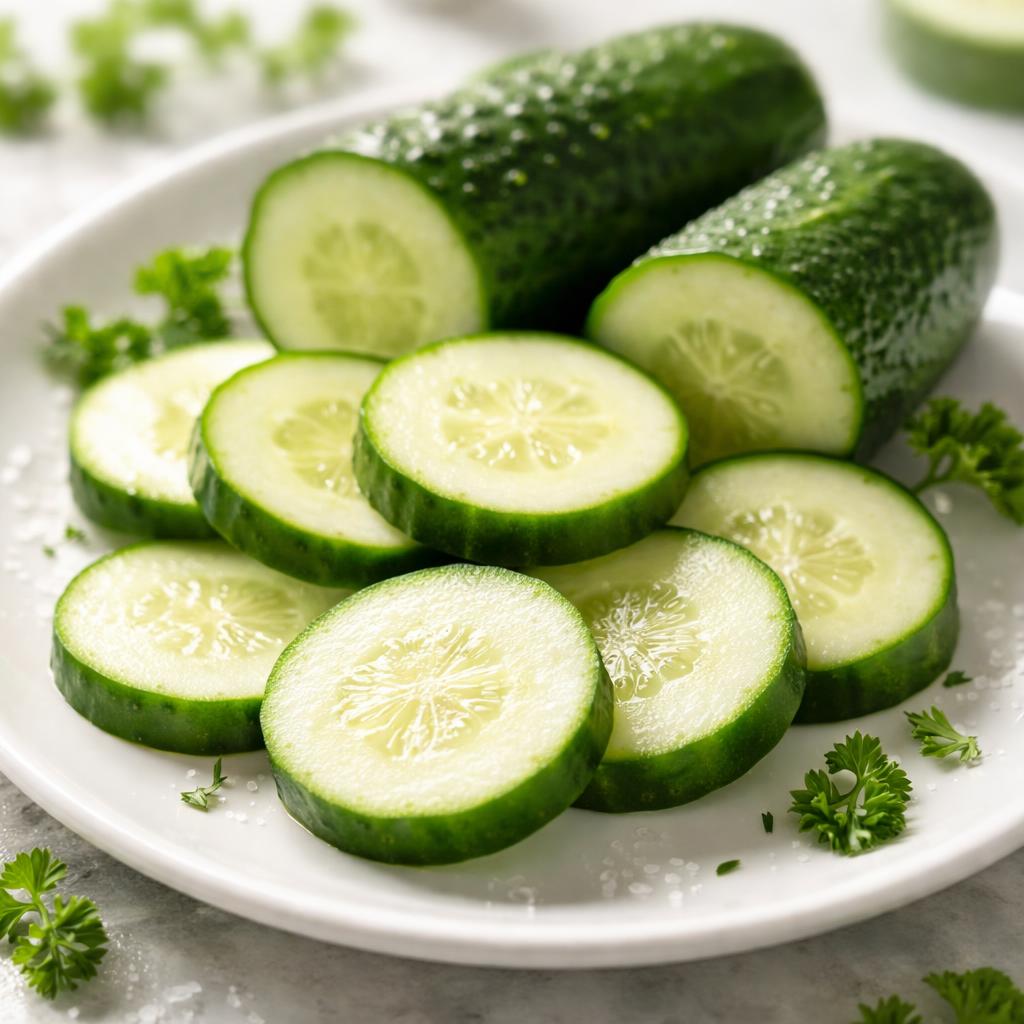
Cucumber
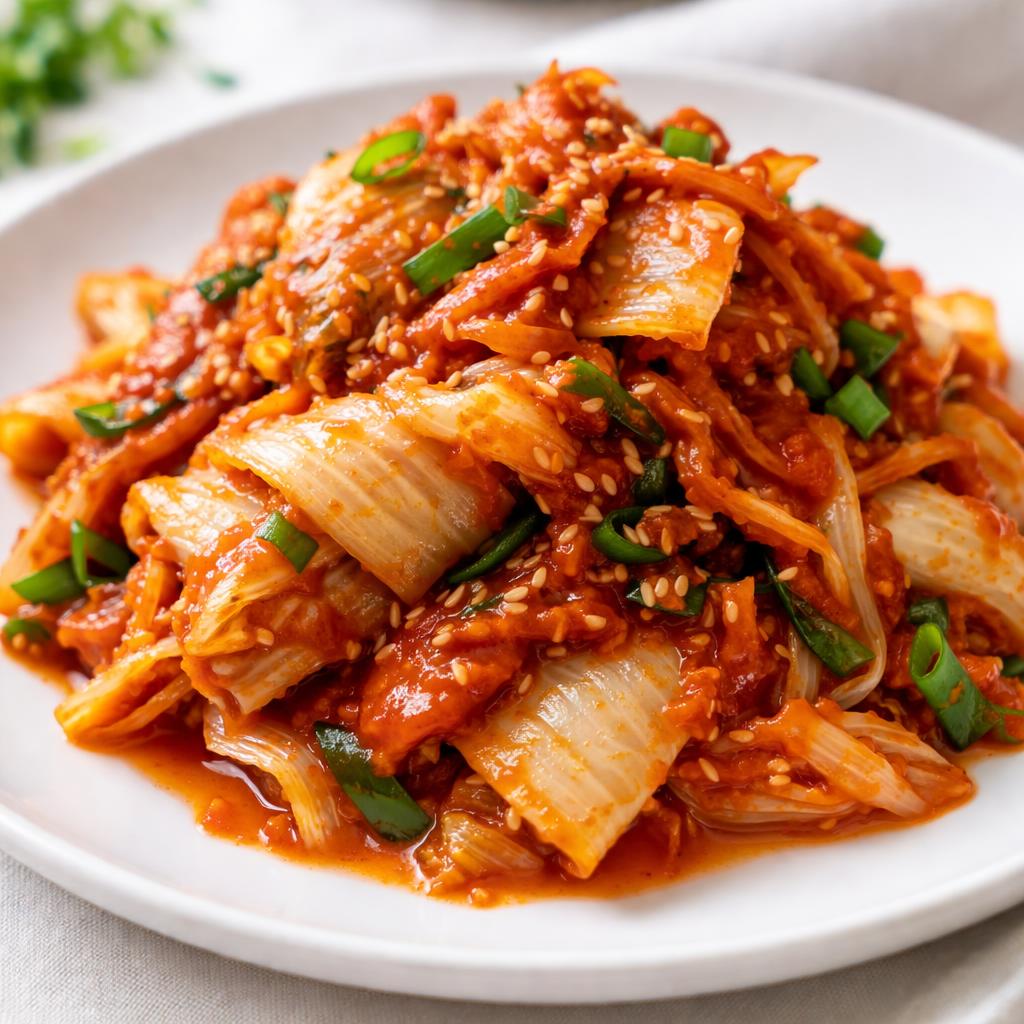
Kimchi
🎯 Quick Verdict
Cucumber is very low in calories, primarily water-based, and ideal for hydration and weight management. Kimchi offers more robust nutritional benefits, including higher protein, fiber, and essential vitamins. Kimchi is particularly beneficial for gut health due to its fermentation, while cucumber serves as a refreshing, low-calorie option for light snacks or hydration-focused meals.

Smart Nutrition Tracking with SnapCalorie

📊 Nutritional Comparison
Macronutrients
| Nutrient | Food 1 | Food 2 | Winner |
|---|---|---|---|
| Calories | 15 | 18 | − |
| Protein | 0.6g | 1g | − |
| Carbs | 3.6g | 3.5g | − |
| Fat | 0.1g | 0.5g | − |
| Fiber | 0.5g | 2g | − |
Vitamins & Minerals
| Nutrient | Food 1 | Food 2 | Winner |
|---|---|---|---|
| Vitamin C | 4mg | 13mg | − |
| Vitamin K | 16mcg | 43mcg | − |
| Iron | 0.3mg | 1.5mg | − |
🏆 Category Winners
Protein
Kimchi contains over 65% more protein per serving than cucumber.
Fiber
Kimchi has 4 times the fiber content of cucumber per serving.
Calories
Both foods are extremely low-calorie, suitable for weight management.
Vitamins
Kimchi is richer in essential vitamins like Vitamin C, K, and Iron.
🥗 Diet Compatibility
Keto
Food 1: Compatible
Food 2: Compatible
Both foods are low in carbs.
Vegan
Food 1: Compatible
Food 2: Depends
Cucumber is vegan; kimchi may contain fish sauce depending on the preparation.
Gluten Free
Food 1: Compatible
Food 2: Compatible
Both foods are gluten-free, though verify ingredients in processed kimchi.
Paleo
Food 1: Compatible
Food 2: Compatible
Both are paleo-friendly, but kimchi's ingredients must be checked.
Low-Carb
Food 1: Compatible
Food 2: Compatible
Both have low carbohydrate content, ideal for low-carb diets.
💪 Health Benefits Comparison
Food 1 Benefits
- Very low in calories for effortless calorie control
- High water content for hydration
- Contains small amounts of Vitamin K for bone health
Food 2 Benefits
- Promotes gut health due to probiotics from fermentation
- Rich source of vitamins including Vitamin C and K for immune and bone health
- Contains fiber for improved digestion
✅ The Bottom Line
Choose cucumber for low-calorie, hydrating snacks when focusing on weight management. Opt for kimchi as a nutrient-dense, probiotic-rich food that enhances gut health and provides more significant vitamin and fiber supplementation.
Choose Food 1 for: Hydration, weight management, light snacks
Choose Food 2 for: Gut health, immune support, nutrient-rich meals


