Cucumber VS Honey
A detailed nutritional comparison
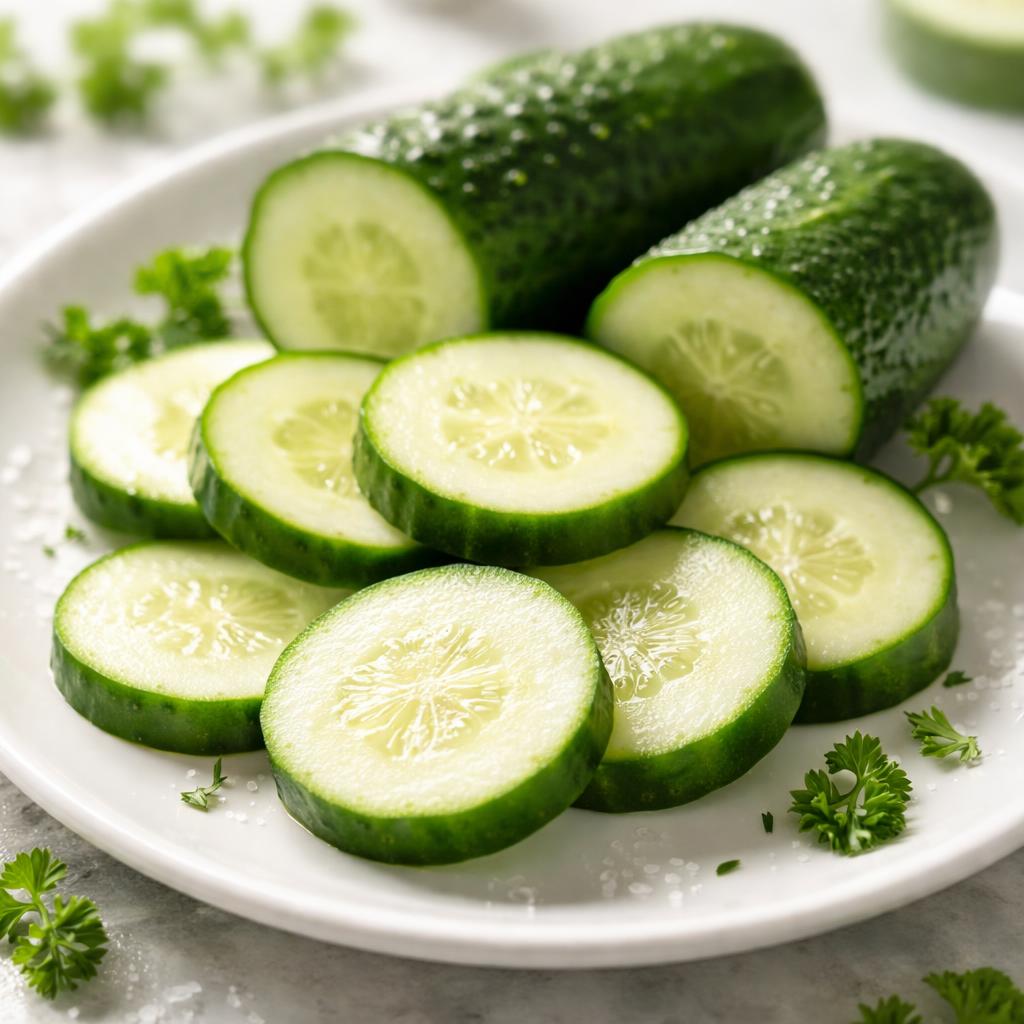
Cucumber
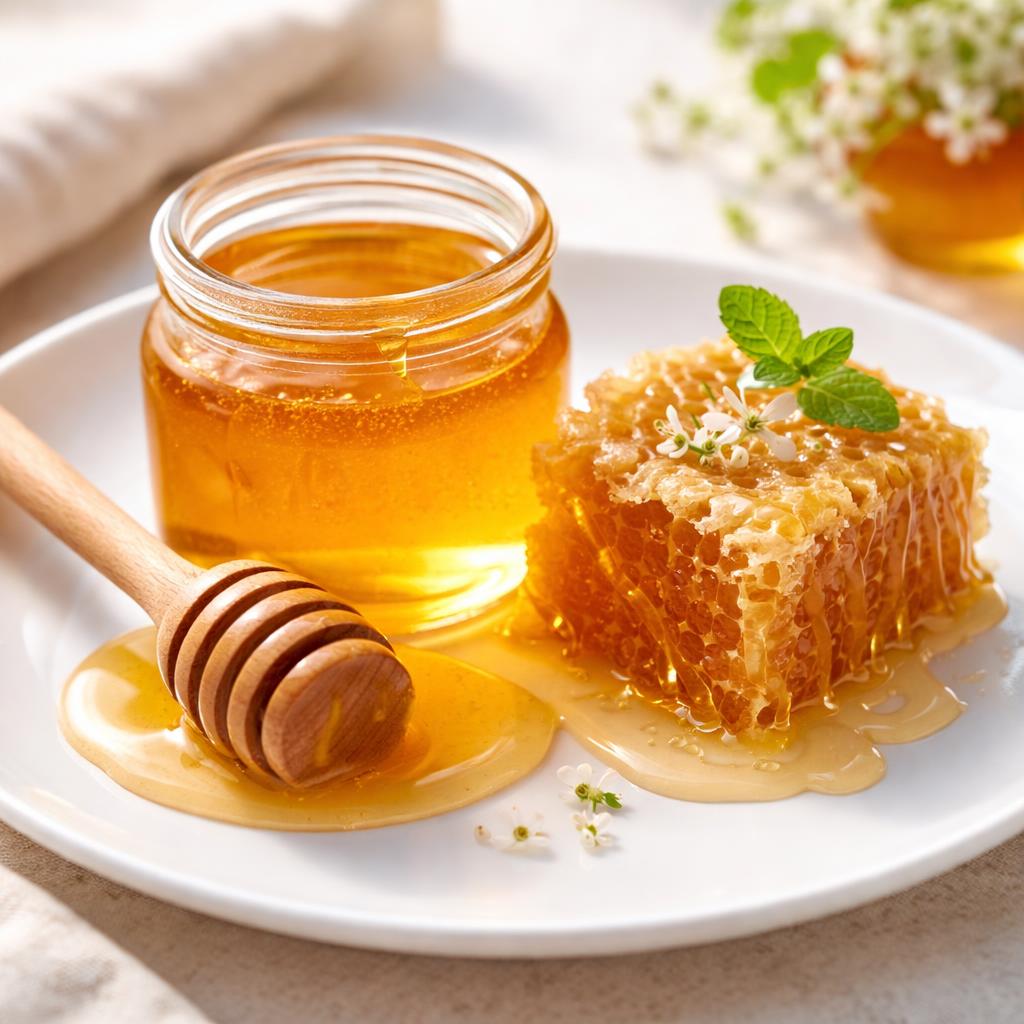
Honey
🎯 Quick Verdict
Cucumber and honey serve very different nutritional purposes. Cucumber is low-calorie, hydrating, and provides small amounts of vitamins and minerals along with fiber. Honey is calorie-dense, primarily composed of sugars, and offers antioxidants and trace minerals. Cucumber is ideal for weight management, while honey works as a natural sweetener and energy source.

Smart Nutrition Tracking with SnapCalorie

📊 Nutritional Comparison
Macronutrients
| Nutrient | Food 1 | Food 2 | Winner |
|---|---|---|---|
| Calories | 15 kcal | 64 kcal (per tbsp) | ✓ |
| Protein | 0.8g | 0.1g | ✓ |
| Carbs | 3.6g | 17g | ✓ |
| Fat | 0.1g | 0g | ✓ |
| Fiber | 0.5g | 0g | ✓ |
Vitamins & Minerals
| Nutrient | Food 1 | Food 2 | Winner |
|---|---|---|---|
| Vitamin C | 2.8mg | 0mg | ✓ |
| Vitamin K | 16.4mcg | trace amounts | ✓ |
| Potassium | 193mg | 11mg | ✓ |
| Calcium | 16mg | 1mg | ✓ |
🏆 Category Winners
Protein
Cucumber contains slightly more protein at 0.8g vs 0.1g per serving.
Fiber
Cucumber provides 0.5g of fiber, while honey has none.
Calories
Cucumber is significantly lower in calories (15 kcal vs 64 kcal per tbsp of honey).
🥗 Diet Compatibility
Keto
Food 1: Not Compatible
Food 2: Not Compatible
Neither food is sufficiently low-carb to align with keto macros.
Vegan
Food 1: Compatible
Food 2: Compatible
Both are plant-based.
Gluten Free
Food 1: Compatible
Food 2: Compatible
Neither contains gluten.
Paleo
Food 1: Compatible
Food 2: Compatible
Both fit into a whole-foods-based paleo diet.
Low-Carb
Food 1: Compatible
Food 2: Not Compatible
Cucumber is low-carb, while honey is primarily sugars.
💪 Health Benefits Comparison
Food 1 Benefits
- Supports hydration due to high water content
- Low calorie, making it ideal for weight management
- Contains antioxidants like vitamin C
- Good source of potassium for heart health
Food 2 Benefits
- Natural energy booster due to sugars
- Rich in antioxidants for immunity and cell health
- May soothe sore throats and aid digestion
- Trace minerals support overall nutrition balance
✅ The Bottom Line
Choose cucumber for low-calorie snacking, hydration, and moderate fiber intake. Honey is best used as a natural sweetener or quick energy booster, but should be consumed in moderation due to its high sugar content.
Choose Food 1 for: Hydration, weight management, refreshing snacks
Choose Food 2 for: Natural sweetener, energy boost, antioxidant intake


