Cucumber VS Greek Salad
A detailed nutritional comparison
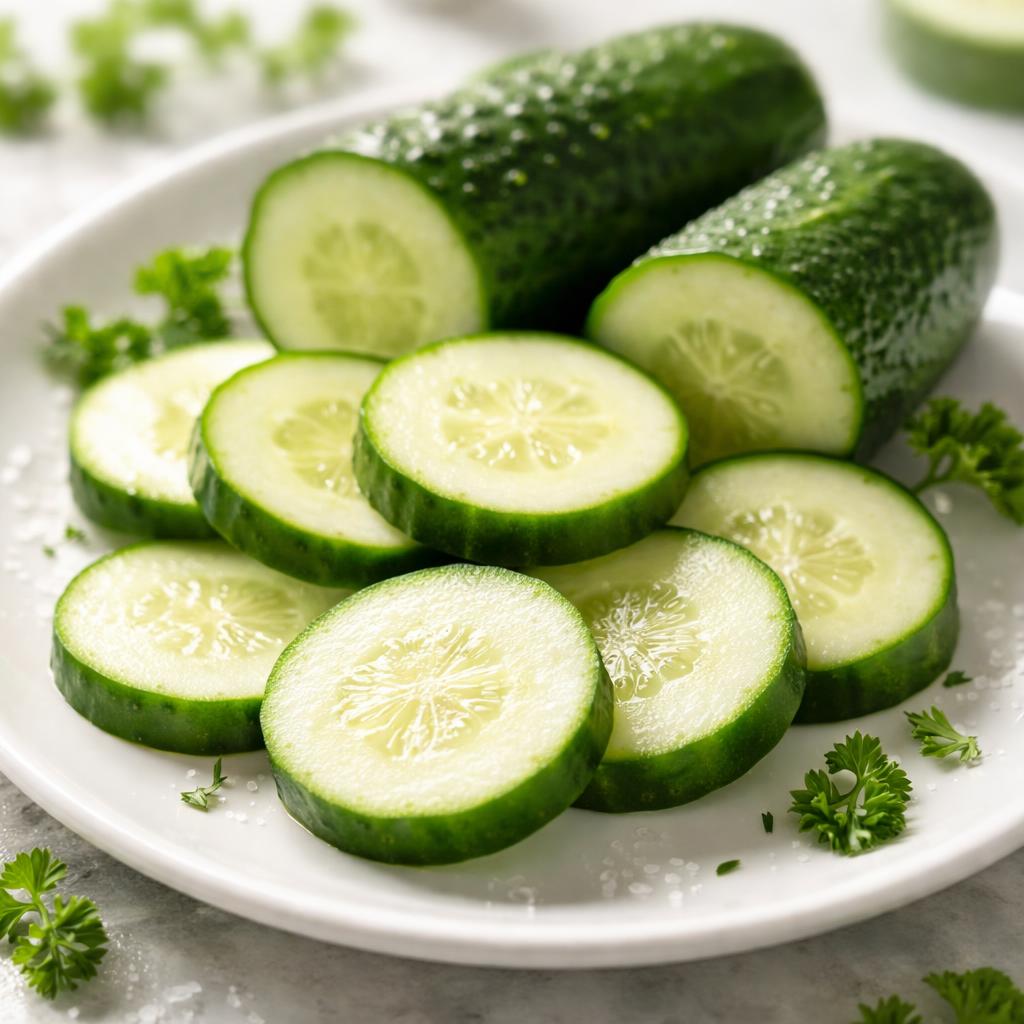
Cucumber
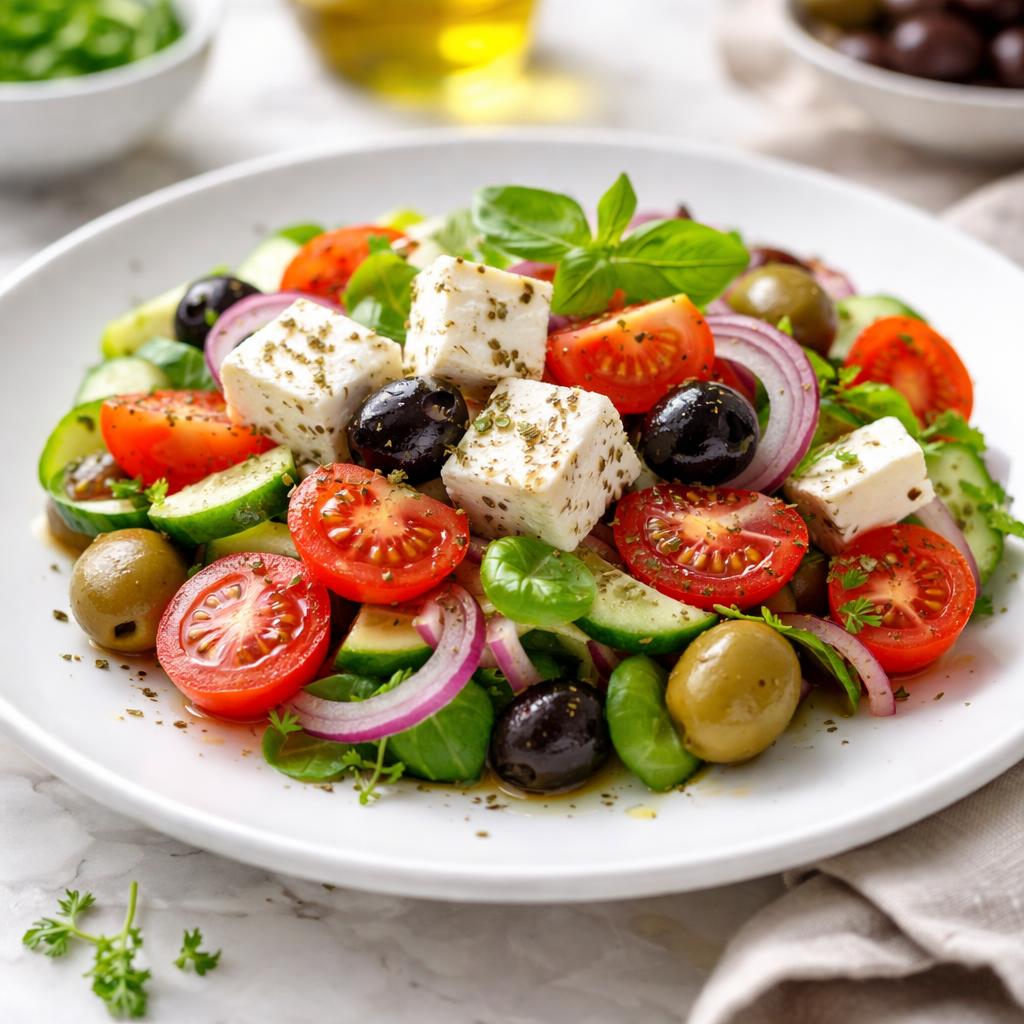
Greek Salad
🎯 Quick Verdict
Cucumber is extremely low in calories, making it perfect for weight loss and hydration, but lacks nutrient density compared to Greek salad. Greek salad is richer in protein, fiber, healthy fats, and key vitamins, making it a more balanced and satiating option for meals or snacks.

Smart Nutrition Tracking with SnapCalorie

📊 Nutritional Comparison
Macronutrients
| Nutrient | Food 1 | Food 2 | Winner |
|---|---|---|---|
| Calories | 16 (per 100g) | 120 (per 100g) | ✓ |
| Protein | 0.7g (per 100g) | 4g (per 100g) | ✓ |
| Carbs | 3.6g (per 100g) | 6.5g (per 100g) | ✓ |
| Fat | 0.1g (per 100g) | 8g (per 100g) | ✓ |
| Fiber | 0.5g (per 100g) | 1.5g (per 100g) | ✓ |
Vitamins & Minerals
| Nutrient | Food 1 | Food 2 | Winner |
|---|---|---|---|
| Vitamin A | 7mcg | 180mcg | ✓ |
| Vitamin C | 4mg | 8mg | ✓ |
| Vitamin K | 16mcg | 29mcg | ✓ |
| Calcium | 16mg | 120mg | ✓ |
| Iron | 0.3mg | 1mg | ✓ |
🏆 Category Winners
Protein
Greek salad contains significantly more protein from ingredients like feta cheese.
Fiber
Greek salad has higher fiber content, thanks to vegetables like tomatoes and cucumbers.
Calories
Cucumber has very low calories, making it suitable for calorie-conscious diets.
Vitamins
Greek salad provides a wider range of essential vitamins like A, C, and K.
🥗 Diet Compatibility
Keto
Food 1: Compatible
Food 2: Compatible
Both foods are low in carbs, though Greek salad contains healthy fats.
Vegan
Food 1: Compatible
Food 2: Not Compatible
Greek salad contains animal-derived feta cheese.
Gluten Free
Food 1: Compatible
Food 2: Compatible
Neither food contains gluten.
Paleo
Food 1: Compatible
Food 2: Compatible
Greek salad ingredients align with Paleo principles, as it includes whole foods like vegetables and cheese.
Low Carb
Food 1: Compatible
Food 2: Compatible
Both foods are relatively low in carbohydrates.
💪 Health Benefits Comparison
Food 1 Benefits
- Very low in calories, ideal for weight loss
- High water content aids hydration
- Contains small amounts of vitamin K for bone and blood health
Food 2 Benefits
- Rich in protein, helping muscle maintenance and satiety
- Good source of fiber for gut health
- Contains healthy fats, particularly from olive oil, promoting heart health
- Provides essential vitamins and minerals for overall wellness
✅ The Bottom Line
Choose cucumber if you are looking for a hydrating, low-calorie snack or side to complement meals. Opt for Greek salad for a nutrient-dense, balanced dish that provides protein, fiber, and healthy fats for sustained energy.
Choose Food 1 for: Weight loss, hydration, light detox diets
Choose Food 2 for: Balanced meals, heart health, Mediterranean diets


