Cucumber VS Grape
A detailed nutritional comparison
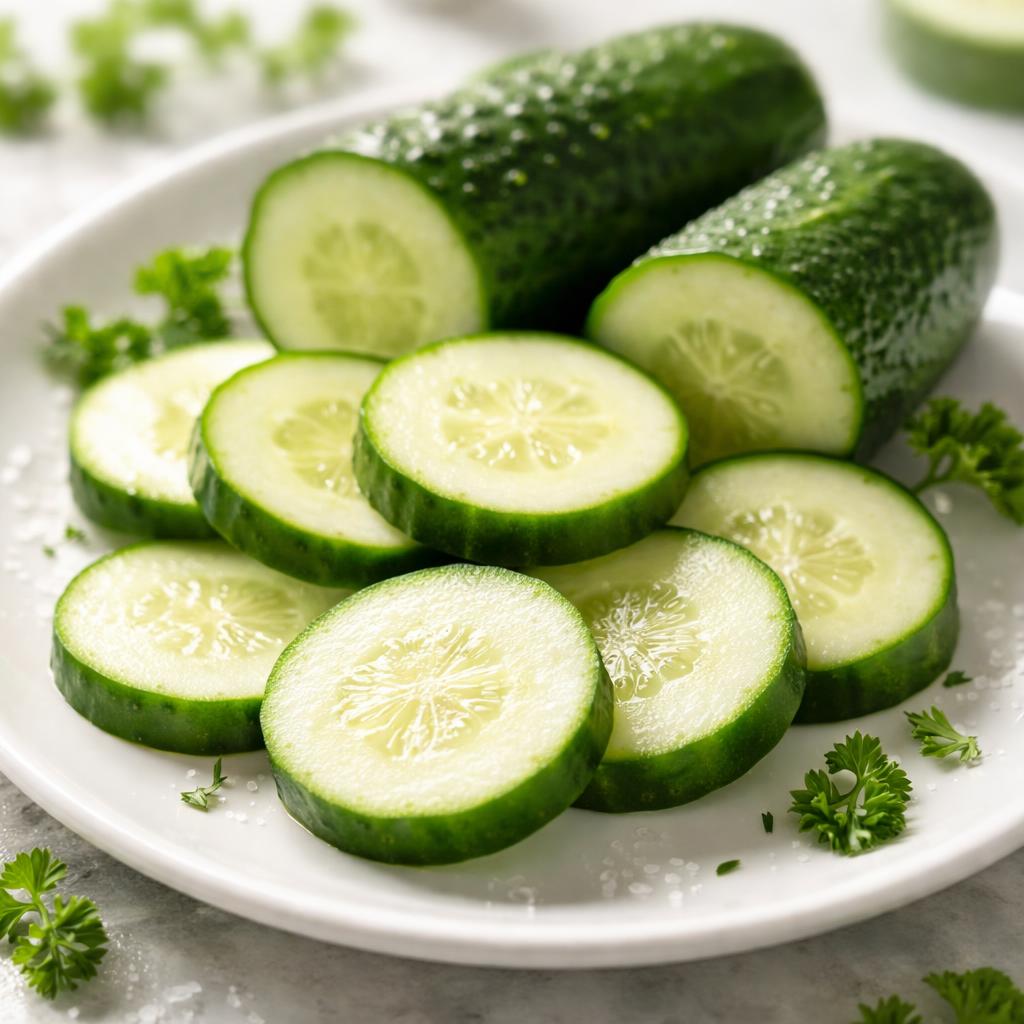
Cucumber
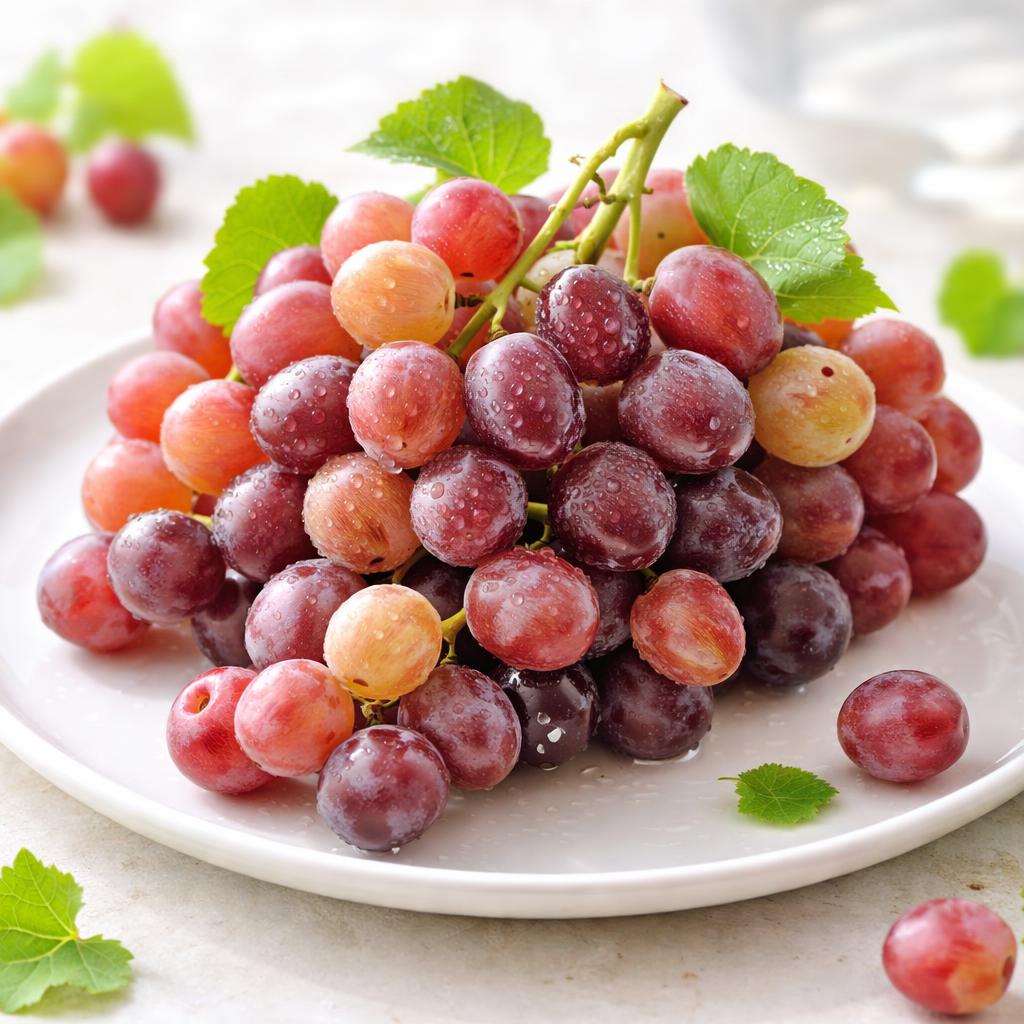
Grape
🎯 Quick Verdict
Cucumber is a low-calorie, high-water food ideal for hydration and weight loss, while grapes provide more fiber and natural sugars for sustained energy. Cucumber is better for low-carb diets, while grapes offer antioxidants and a quick energy boost.

Smart Nutrition Tracking with SnapCalorie

📊 Nutritional Comparison
Macronutrients
| Nutrient | Food 1 | Food 2 | Winner |
|---|---|---|---|
| Calories | 15 kcal per 100g | 69 kcal per 100g | ✓ |
| Protein | 0.7g per 100g | 0.6g per 100g | − |
| Carbs | 3.6g per 100g | 18g per 100g | ✓ |
| Fat | 0.1g per 100g | 0.2g per 100g | ✓ |
| Fiber | 0.5g per 100g | 0.9g per 100g | ✓ |
Vitamins & Minerals
| Nutrient | Food 1 | Food 2 | Winner |
|---|---|---|---|
| Vitamin C | 2.8mg per 100g | 4mg per 100g | ✓ |
| Vitamin K | 16.4mcg per 100g | 22mcg per 100g | ✓ |
| Potassium | 136mg per 100g | 191mg per 100g | ✓ |
🏆 Category Winners
Protein
Both foods have approximately the same protein content (around 0.7g per 100g).
Fiber
Grapes have almost twice the fiber content of cucumber.
Calories
Cucumber is significantly lower in calories, making it ideal for weight loss.
Vitamins
Grapes are higher in Vitamin C, Vitamin K, and Potassium, offering stronger micronutrient density.
🥗 Diet Compatibility
Keto
Food 1: Compatible
Food 2: Not Compatible
Cucumber is low-carb (3.6g per 100g), while grapes contain 18g of carbs per 100g.
Vegan
Food 1: Compatible
Food 2: Compatible
Both foods are plant-based and vegan-friendly.
Gluten Free
Food 1: Compatible
Food 2: Compatible
Neither cucumber nor grapes contain gluten.
Paleo
Food 1: Compatible
Food 2: Compatible
Both foods are compatible with a paleo diet as they are whole, natural plant foods.
Low Carb
Food 1: Compatible
Food 2: Not Compatible
Cucumber works for low-carb diets, while grapes are high in natural sugars and carbs (18g per 100g).
💪 Health Benefits Comparison
Food 1 Benefits
- Highly hydrating due to its 95% water content.
- Low-calorie and ideal for weight management.
- Contains antioxidants that support skin health.
Food 2 Benefits
- Rich in natural sugars for quick energy boosts.
- Good source of Vitamin C for immune system support.
- Contains polyphenols and antioxidants for heart health.
✅ The Bottom Line
Cucumber is best if you’re aiming for hydration, weight loss, or a low-carb option. Grapes are ideal for a quick energy boost or when seeking a nutrient-dense snack packed with antioxidants. Both foods are versatile but cater to different dietary needs.
Choose Food 1 for: Hydration, low-carb diets, weight loss
Choose Food 2 for: Quick energy, antioxidant-rich diets, nutrient density


