Cucumber VS Ginger
A detailed nutritional comparison
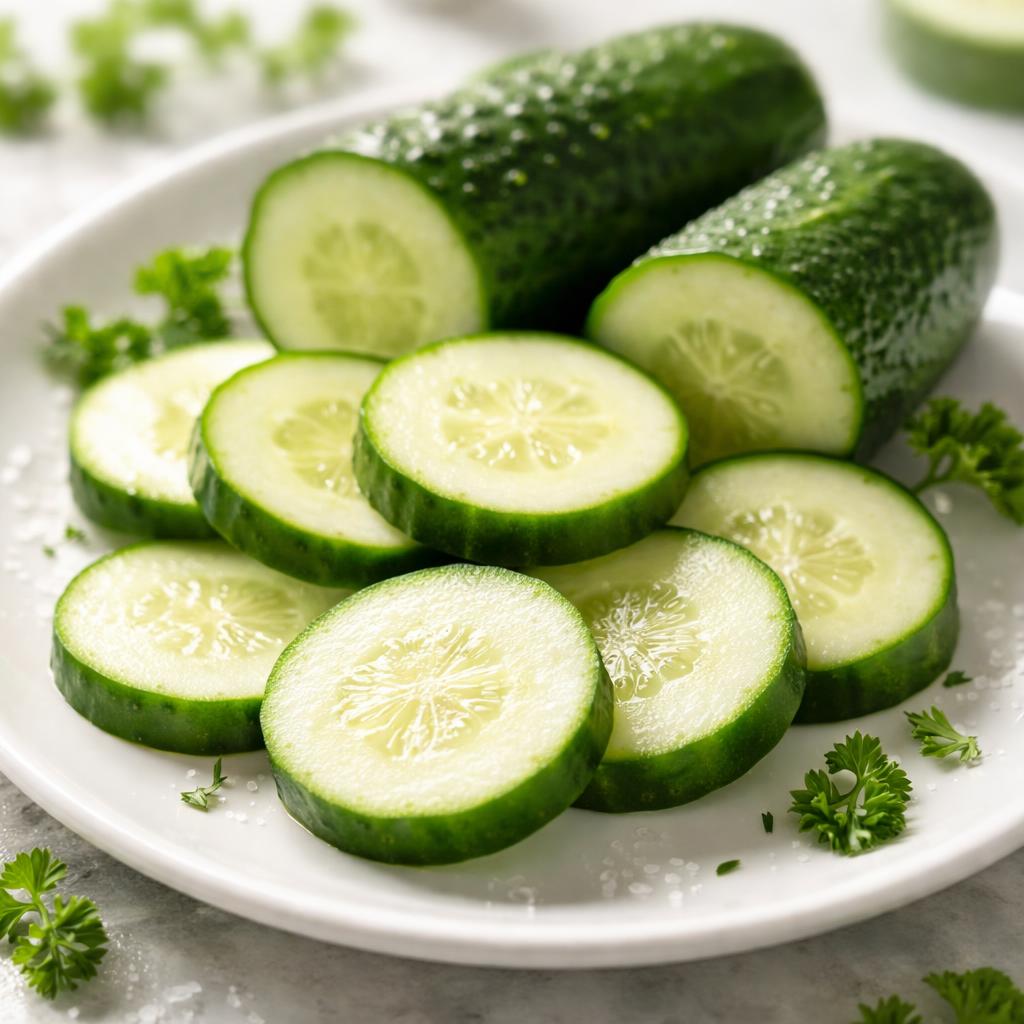
Cucumber
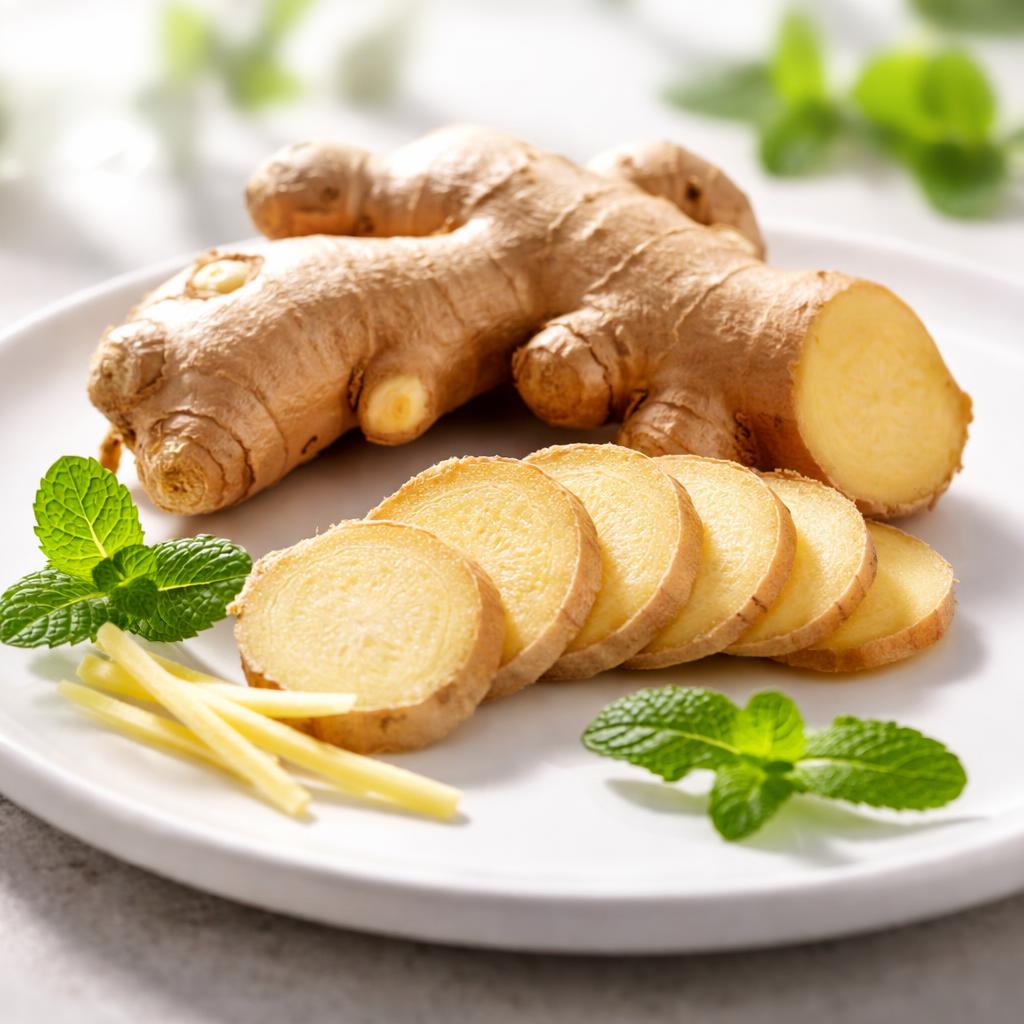
Ginger
🎯 Quick Verdict
Cucumber and ginger are vastly different foods in terms of nutrition. Cucumber is low-calorie and hydrating with minimal macronutrients, while ginger is denser in calories and loaded with antioxidants, fiber, and anti-inflammatory compounds. Cucumber is ideal for hydration and low-calorie snacking, whereas ginger is best for its medicinal properties and flavor enhancement.

Smart Nutrition Tracking with SnapCalorie

📊 Nutritional Comparison
Macronutrients
| Nutrient | Food 1 | Food 2 | Winner |
|---|---|---|---|
| Calories | 15 per 100g | 80 per 100g | − |
| Protein | 0.7g per 100g | 0.9g per 100g | − |
| Carbs | 3.6g per 100g | 17.8g per 100g | ✓ |
| Fat | 0.1g per 100g | 0.8g per 100g | ✓ |
| Fiber | 0.5g per 100g | 2g per 100g | ✓ |
Vitamins & Minerals
| Nutrient | Food 1 | Food 2 | Winner |
|---|---|---|---|
| Vitamin C | 2.8mg per 100g | 5mg per 100g | ✓ |
| Potassium | 136mg per 100g | 415mg per 100g | ✓ |
| Iron | 0.3mg per 100g | 0.6mg per 100g | ✓ |
🏆 Category Winners
Protein
Both cucumber and ginger have similar low protein content.
Fiber
Ginger has four times more fiber than cucumber.
Calories
Both foods are low in calories relative to their serving size.
Vitamins
Ginger contains higher amounts of vitamin C, potassium, and iron.
🥗 Diet Compatibility
Keto
Food 1: Compatible
Food 2: Compatible
Both are low-carb foods suitable for keto diets.
Vegan
Food 1: Compatible
Food 2: Compatible
Both are plant-based and vegan-friendly.
Gluten Free
Food 1: Compatible
Food 2: Compatible
Neither food contains gluten.
Paleo
Food 1: Compatible
Food 2: Compatible
Both are whole foods that align with paleo principles.
Low-Carb
Food 1: Compatible
Food 2: Compatible
Cucumber is extremely low-carb, while ginger is moderately low-carb.
💪 Health Benefits Comparison
Food 1 Benefits
- Helps with hydration due to high water content
- Low-calorie option for weight loss and snacking
- Contains antioxidants that may promote skin health
Food 2 Benefits
- Anti-inflammatory properties to reduce muscle pain
- Aids in digestion and gastrointestinal health
- Rich in antioxidants for boosting immunity
✅ The Bottom Line
Cucumber and ginger serve different dietary and health purposes. Choose cucumber for hydration, low-calorie snacking, or adding crunch to meals. Opt for ginger as a spice or in tea to harness its anti-inflammatory and digestive benefits. Both can complement each other in a balanced diet.
Choose Food 1 for: Hydration, low-calorie snacking, weight management
Choose Food 2 for: Digestion, inflammation reduction, enhancing flavor


